





An Ancient Practice, Not a Passing Fad
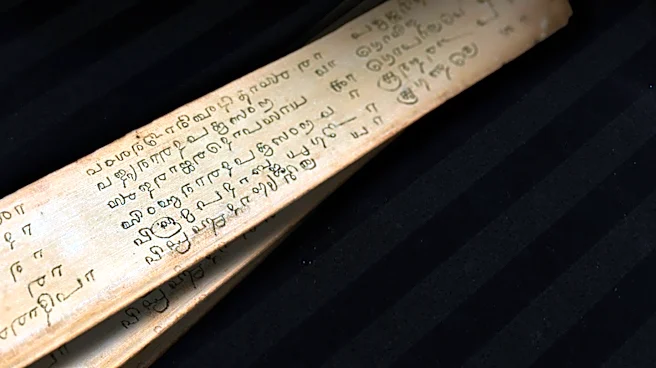
Long before influencers and high-tech gadgets, facial massage was an integral part of wellness rituals across the globe. In Traditional Chinese Medicine, practices like Gua Sha have been used for over 2,000 years to promote healing and energy flow. Ancient
texts from India show facial exercises and massage were key components of Ayurveda, a holistic medical system. Even in the West, the practice gained prominence in the early 20th century, championed by beauty pioneers like Helena Rubinstein and Elizabeth Arden. Unlike trendy ingredients that come and go, the staying power of facial massage lies in its foundation—it's a technique rooted in anatomy and physiology, not just marketing.
What's Happening Beneath the Surface
So, what makes this age-old practice so effective? It’s less about magic and more about basic biology. At its core, facial massage works by stimulating the systems just below the skin. The gentle pressure and specific movements boost blood circulation, which delivers more oxygen and vital nutrients to your skin cells. This increased blood flow is what creates that immediate, healthy glow. Furthermore, many techniques focus on lymphatic drainage. Your lymphatic system is the body's waste-removal network, but unlike the circulatory system, it doesn't have a pump. Massage provides the manual push needed to move stagnant fluid, which helps reduce puffiness, especially around the eyes and jawline.
From Hands-On to Modern Tools
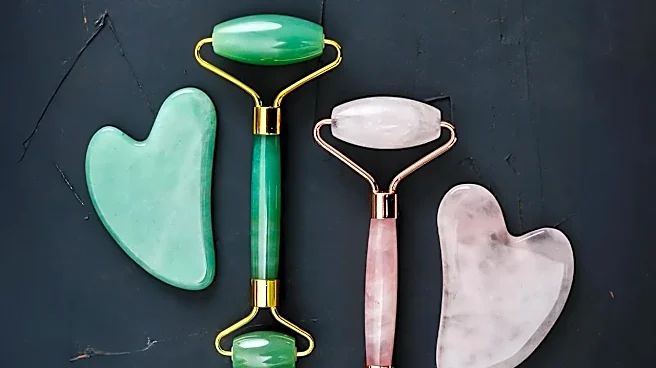
Today, the principles of facial massage are applied through various methods. You’ve likely seen the smooth, contoured stones of Gua Sha, the polished cylinders of jade rollers, or even high-tech vibrating wands. While these tools are popular, they are simply extensions of the core practice. Gua Sha, which translates to "scraping," is used to gently glide across the skin to release muscle tension and improve circulation. Rollers provide a cooling, gentle massage that can help with product absorption and reducing puffiness. But the most accessible tools are your own hands. Techniques like effleurage (gliding strokes) and petrissage (kneading) can effectively relieve tension in the jaw, forehead, and brows, where many people hold stress.
More Than Skin Deep
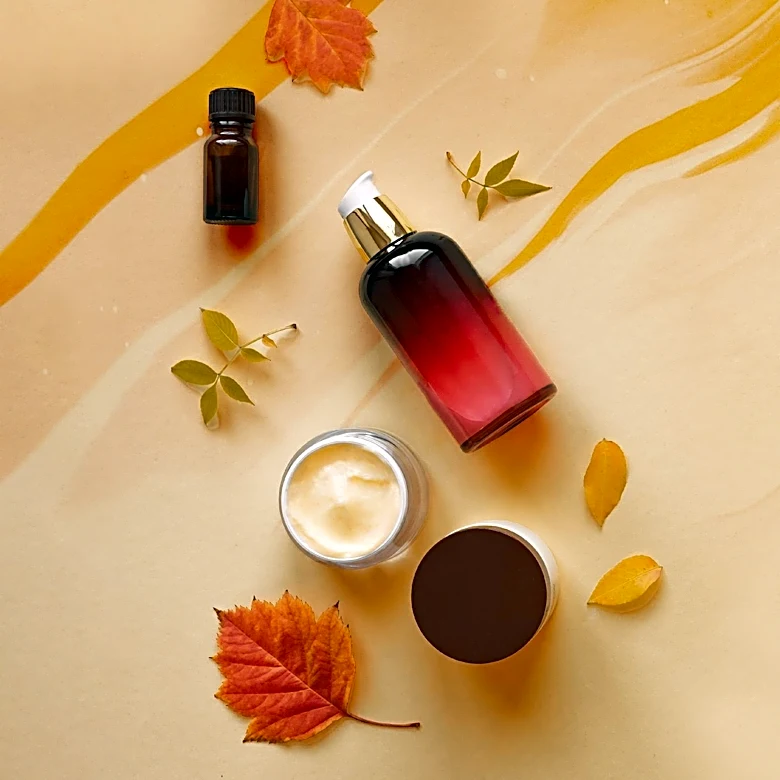
Perhaps the most profound reason facial massage outlasts every trend is that its benefits extend beyond the cosmetic. In a world of quick fixes and instant gratification, the ritual of facial massage offers a moment of deliberate self-care. The act of touch itself can be incredibly calming, helping to lower stress levels. Taking five minutes at the end of the day to massage in a facial oil isn't just about fighting wrinkles; it's about reconnecting with your body, easing the tension of the day, and engaging in a mindful practice. This holistic benefit—the blend of physical results and mental relaxation—is something a single product in a jar can rarely replicate.