




Start with the Leather Itself
The most important indicator of quality is the grade of the leather. Look for labels that specify "full-grain" leather, which is the highest quality available. Full-grain leather comes from the outermost layer of the hide and retains all its natural textures
and imperfections, like scars or pores. These marks are not defects; they are signs of authenticity. This type of leather is incredibly durable and develops a beautiful, rich patina over time as it absorbs oils and is exposed to the elements. A step below is "top-grain" leather, which has been lightly sanded to create a more uniform, smoother surface. While still a quality material, it is slightly less durable than full-grain. Be wary of products simply marked "genuine leather." While technically real, this term often refers to lower-quality layers of the hide that are less durable.
Use Your Senses: Smell and Touch
Authentic, well-made leather has a distinct aroma that synthetics can't replicate. High-quality Italian leather, especially if it's vegetable-tanned, should have a rich, earthy, and sometimes slightly sweet smell. It should never smell like plastic, chemicals, or solvents. Next, feel the texture. Real leather feels warm and supple to the touch, with a natural give. If you gently bend a section, it should wrinkle like skin. Faux leather, by contrast, often feels cold, rigid, or unnaturally smooth. An overly perfect, uniform grain pattern is also a red flag, as natural hides always have subtle variations.
Inspect the Stitching and Edges
Craftsmanship is revealed in the details, and stitching is one of the clearest indicators of quality. The stitches on a well-made bag should be small, even, and consistent, with no loose threads or crooked lines. A higher density of stitches per inch—typically between 8 and 10 for main seams—distributes stress and ensures durability. Pay close attention to stress points like handle bases and corners, which should be reinforced. The finishing on the edges is also telling. High-quality bags will have edges that are smoothly painted or burnished, creating a clean, sealed line. Raw, fraying, or messily glued edges are a sign of rushed, cost-cutting construction.
Don't Overlook the Hardware
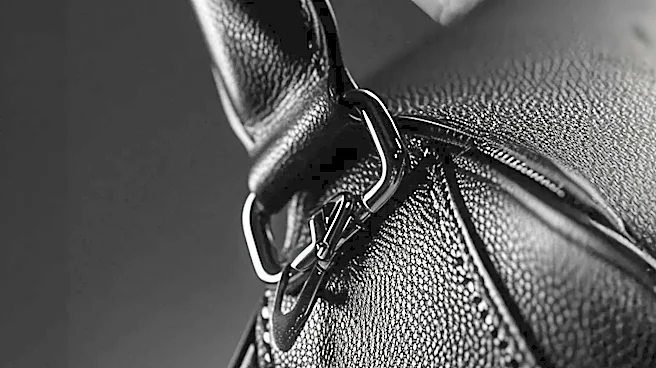
Zippers, clasps, buckles, and feet are the functional backbone of a leather good. On a quality piece, the hardware will feel solid and substantial, not hollow or flimsy. Materials like solid brass or stainless steel are preferred because they don't rust or break easily. Test the zippers; they should glide smoothly without catching or snagging. Reputable brands often use zippers from trusted manufacturers. Examine the finish on all metal parts. It should be smooth and even, with no bubbling, chipping, or signs of the base metal showing through. Cheaply plated hardware will quickly rub off, cheapening the look of the entire item.
Consider the Tanning Process
While not always obvious, the tanning method greatly affects the leather's character and longevity. The most prestigious Italian leather is often vegetable-tanned, a traditional process using natural tannins from sources like tree bark. This method is more time-consuming and environmentally friendly than the more common chrome tanning. Vegetable-tanned leather starts out firmer but softens beautifully with use, developing that coveted deep patina. Chrome-tanned leather, which accounts for most of the world's production, is softer from the start and more water-resistant but tends not to age with the same character. While harder to identify in a store, products made with vegetable-tanned leather are often marketed as such, as it's a significant mark of quality.