




More Teams, More Dreams, More Games
First, the simple math. For the first time ever, the World Cup is expanding from 32 to 48 teams. This isn't just a minor tweak; it’s a seismic shift. The tournament will feature a staggering 104 matches, up from the 64 we’re used to. This expansion opens
the door for more nations to participate, bringing the thrill of qualification and the pride of representation to new corners of the globe. For fans, it means more soccer, more underdog stories, and a longer, more immersive tournament. The group stage will be more unpredictable, and the sheer volume of games creates a month-long sporting marathon unlike anything seen before. It transforms the World Cup from a massive event into a colossal, globe-spanning epic.
A Continent-Sized Festival of Soccer
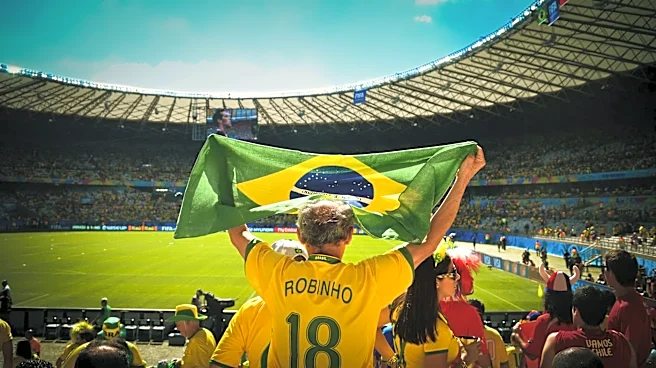
For the first time in history, the tournament will be co-hosted by three nations: the United States, Mexico, and Canada. The games will be spread across 16 diverse and vibrant cities, from Vancouver to Mexico City, and Miami to Los Angeles. This isn't a tournament contained in one country; it's a continent-wide party. Imagine the cultural cross-pollination: fans from Argentina celebrating in Atlanta, German supporters exploring Seattle, and Brazilian flags waving in Houston. This unprecedented geographic footprint makes the 2026 World Cup a grand tour of North America, turning dozens of communities into global soccer hubs. It decentralizes the energy, creating a sprawling, multifaceted celebration that will be felt far beyond just the stadium walls.
America's Second Act as Host
The last time the U.S. hosted the men's World Cup was in 1994. At the time, soccer was a niche sport, and many Americans were still asking what the offside rule was. Major League Soccer didn't even exist yet. Fast forward to 2026, and the landscape is unrecognizable. Soccer is now a mainstream American sport with a massive, sophisticated fan base, thriving professional leagues (MLS and NWSL), and millions of kids playing in youth leagues. The 1994 World Cup planted a seed; the 2026 tournament will see that seed in full bloom. The country isn’t just a host; it's a soccer-obsessed nation ready to embrace the tournament in a way that was impossible 30 years ago. The stadiums will be full of knowledgeable, passionate fans, not just curious onlookers.
The Golden Generation Gets Its Home Game
For the U.S. Men's National Team (USMNT), this isn't just another tournament; it's the moment they've been building toward for a decade. The so-called 'Golden Generation' of American players—Christian Pulisic, Weston McKennie, Tyler Adams, Gio Reyna—will be in their athletic prime, between the ages of 26 and 28. These are players with top-level European club experience who have already played in a World Cup together. Now, they get to do it on home soil, backed by a wave of national support. It’s the kind of narrative sports dreams are made of. The potential for a deep, memorable run by the home team adds a layer of high-stakes drama for American audiences that could captivate even the most casual sports fan.
Unprecedented Access for Fans
For American fans, the World Cup has traditionally been a TV event, something happening in a distant time zone. In 2026, it will be in their backyards. With matches in 11 U.S. cities, including major hubs like New York/New Jersey, Dallas, and the San Francisco Bay Area, the tournament becomes tangible. It's not just about watching on television; it’s about the possibility of going to a game, attending a fan fest, or simply feeling the buzz in your city as the world arrives. This level of accessibility will fundamentally change the American experience of the World Cup, transforming it from a passive viewing event into an active, participatory celebration. The sheer number of available tickets and opportunities to engage will dwarf any previous tournament for U.S. residents.