






The Myth of the Vocal Warrior
For decades, the archetype of a great captain was chiseled from stone. Think of Manchester United’s Roy Keane, a snarling midfield general who policed standards through sheer force of will, or Chelsea’s John Terry, who seemed to command his backline with
every fiber of his being. This is the Hollywood version of leadership: vocal, confrontational, and visibly passionate. The captain was the team’s emotional heartbeat, the on-field extension of the manager, expected to rally the troops with fiery speeches and drag the team to victory through intimidation and inspiration alike. Their leadership was measured in decibels and dramatic gestures. It was effective, undeniable, and for a long time, it was considered the only way.
The Rise of the Silent Conductor
The quiet captain leads not with their voice, but with their feet, their brain, and their unwavering consistency. Their authority doesn't come from shouting; it comes from respect. They are the players who are first to training and last to leave. They are the ones who, in the 89th minute of a grueling knockout match, still make the perfect pass or the crucial tackle. Their leadership is a demonstration, not a declaration. Instead of berating a teammate for a mistake, they offer a quiet word on the side or simply demand the ball and show them how it’s done. This style relies on a deep well of credibility built over thousands of hours of excellence. Teammates don't follow them because they’re scared; they follow them because they know, without a doubt, that the captain is the best player, the hardest worker, or the smartest tactician on the pitch.
Case Study: The Messi Method
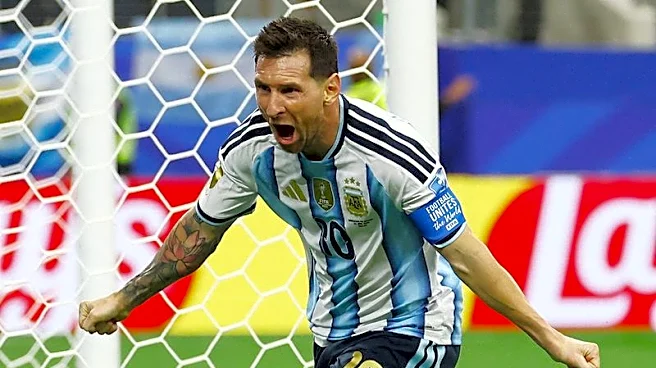
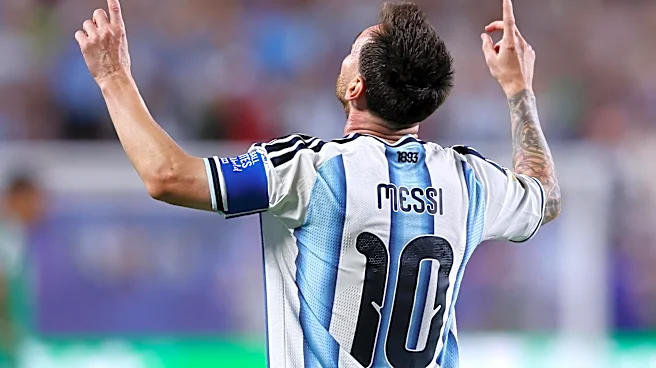
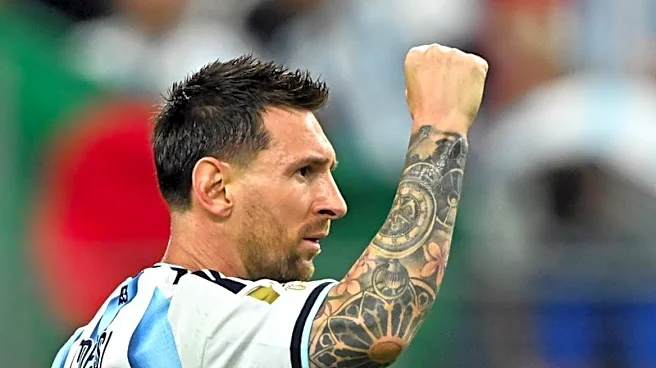
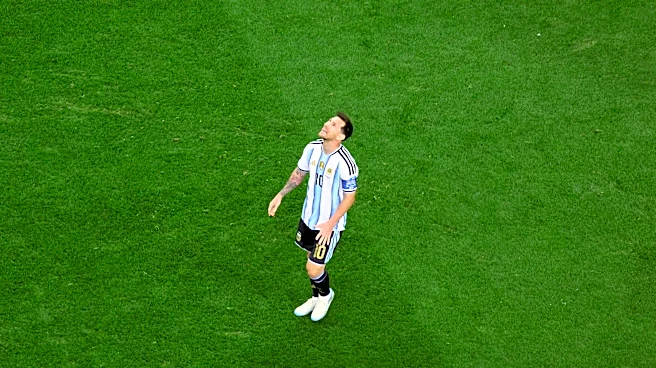
For years, critics claimed Lionel Messi wasn’t a true leader. He was introverted, reserved, and rarely seen shouting orders. He wasn't the Diego Maradona type, all fire and brimstone. Yet, in 2022, he quietly captained Argentina to a World Cup title. How? By embodying the quiet captain archetype. His leadership wasn’t in pre-game huddles; it was in the impossible goals he scored to rescue a game, the tireless pressing he did late in matches, and the gravitational pull his genius exerted on his teammates. Players like midfielder Rodrigo De Paul famously referred to themselves as Messi's unofficial bodyguards. They weren't protecting a ranter; they were serving a king who led by example. When Messi spoke, which was rare, everyone listened because his words carried the weight of his actions. He proved that you don’t have to be the loudest person in the room to be the most influential.
Why This Style Thrives Today
The modern game is perfectly suited for the quiet captain. Top-level club and national teams are multicultural, multilingual melting pots. A captain who screams in one language may not connect with a locker room that speaks five. Actions, however, are universal. A relentless work ethic, tactical discipline, and clutch performance need no translation. Furthermore, today's players are high-profile, high-earning athletes who often respond better to peer-to-peer respect than top-down authority. The quiet captain fosters a culture of collective responsibility rather than a dictatorship. In the chaos of a 90,000-seat stadium, a calm presence can be more valuable than a frantic one. Germany's 2014 World Cup-winning captain, Philipp Lahm, was another prime example—an exceptionally intelligent and versatile player whose leadership was cerebral and subtle, not theatrical.