

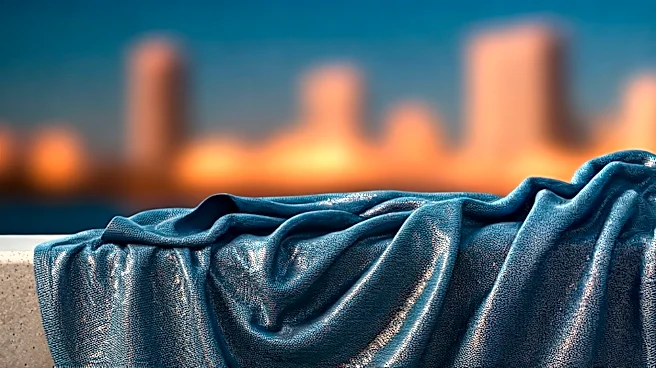
Meet Modern Raffia
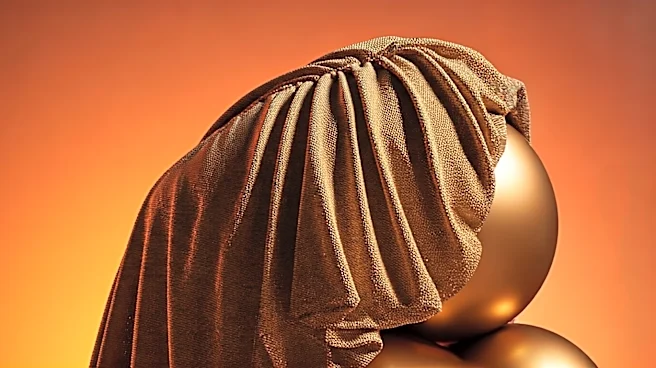
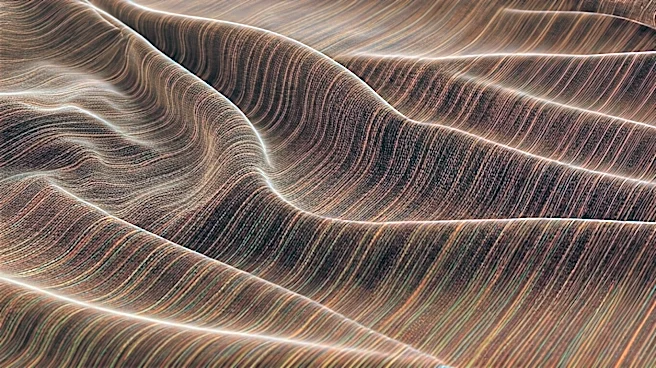
The texture you’re seeing is raffia, but not as you know it. For years, this durable fiber, derived from a specific type of palm leaf, was relegated to the humble beach tote or a floppy sun hat. It was functional, summery, and utterly predictable. Now,
designers have elevated it from a beachside basic to a luxury material. We’re seeing it woven into structured top-handle bags from brands like Prada and Loewe, crafted into sharp, pointed-toe flats, and even integrated into the bodices of dresses and the bands of wide-leg trousers. This isn’t the loose, pliable weave of a souvenir-stand bag. Today’s raffia is tight, precise, and often combined with leather, metal hardware, or crisp cotton, giving it an architectural quality that feels entirely new. It’s the star of the show, not just the vessel for your sunscreen and paperback.
The Appeal of Artisanal Polish
So why this texture, and why now? The appeal lies in its inherent contradiction. In a world saturated with synthetic materials and fast fashion, raffia signals something natural, patient, and made by hand. You can almost feel the time and skill that went into weaving it. Yet, its modern application is all about polish and restraint. It satisfies our craving for authenticity and craft without demanding a complete aesthetic commitment to the handmade look. It’s a nod to the rustic, but from the comfort of a five-star hotel balcony. This texture perfectly complements the “quiet luxury” ethos: it’s an insider’s signal of quality and taste that doesn’t shout. It suggests you appreciate artistry, but you also value clean lines and a sophisticated silhouette. It’s earthy, but in a curated, intentional way.
Drawing the Line at Boho
Let’s be clear: this is not boho. The bohemian aesthetic, with its roots in 1960s and ‘70s counter-culture, is defined by a free-spirited, unstructured softness. Think of its textural cousins: slouchy macramé, trailing fringe, delicate crochet, and flowing tiers of paisley print. Those textures are beautiful in their own right, but they communicate a relaxed, romantic, and sometimes nostalgic sensibility. Modern raffia, by contrast, is all about structure. A woven raffia clutch holds its rectangular shape. A pair of raffia block heels is sturdy and geometric. Even when used on clothing, it often appears as a crisp, defined panel. There is no fringe, no sag, no dreamcatcher energy. It pairs better with a starched white shirt or a tailored linen blazer than it does with a floral peasant top. It’s less about escaping to the past and more about inhabiting a very chic, very organized present.
How to Weave It In
Incorporating this trend is refreshingly simple because it’s so versatile. The easiest entry point is an accessory. Swap your everyday leather bag for a structured raffia tote or crossbody. It instantly makes a simple outfit—like jeans and a t-shirt or a black slip dress—feel more considered and seasonally appropriate. For a bolder statement, look for shoes. Raffia mules, loafers, or even platform sandals add unexpected texture that grounds an entire look. If you’re ready to fully commit, consider a garment where raffia is an integrated detail. A dress with a raffia-trimmed neckline or a belt made of woven raffia can define your waist and serve as the outfit’s focal point. The key is to let the texture do the talking. Keep the rest of your outfit relatively simple and streamlined to let the artisanal polish of the raffia truly shine.