







The Seduction of 'Yes, Chef'
The allure of the world inside 'The Bear' is undeniable. It’s found in the quiet moments of creation, like Marcus meticulously crafting a perfect donut or Sydney developing a new dish that could change everything. The show presents the kitchen not just
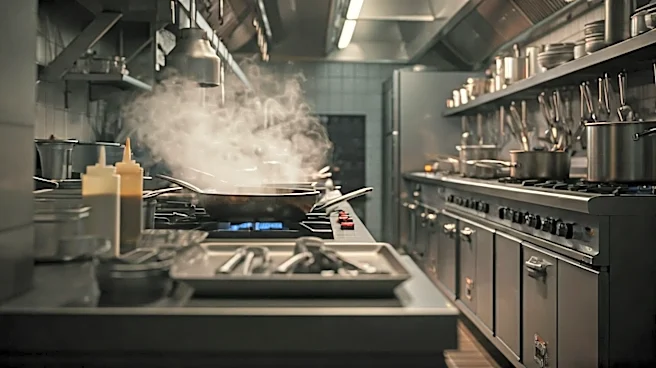
as a workplace, but as a crucible where talent is forged into excellence. There's a romanticism to the chaos—the rhythmic clang of pans, the clipped shouts of “Corner!” and “Heard!”, and the shared goal of creating something beautiful under immense pressure. This shared effort builds a messy, volatile, but powerful sense of community. When the team works in perfect sync, it’s a symphony of professional harmony. Richie’s transformation in Season 2, where he finds profound purpose and dignity in the art of service, is a prime example of this seductive power. He discovers that dedication to the craft, even in a supporting role, can be a form of redemption. The show argues that this relentless pursuit of a higher standard, of pushing creative boundaries, can be good for the soul.
The Terror of the Grind
For every moment of creative bliss, there are ten moments of sheer terror. 'The Bear' is unflinching in its depiction of burnout. The show is riddled with anxiety, from Carmy's debilitating panic attacks to the constant, gnawing fear of financial failure. We see how the 'grind culture' of elite kitchens excuses harmful behavior in the name of genius. Characters' personal lives are in shambles, sacrificed at the altar of the restaurant. Carmy’s journey, in particular, is a raw look at how family trauma and a history of working in toxic environments can fuel a self-destructive cycle of perfectionism. The yelling, the stress, and the emotional suppression are presented as normalized parts of the job. The series shows that this high-pressure ecosystem, built on relentless discipline, often leads to psychological harm and an extremely high turnover rate in the real-world hospitality industry. This isn't just professional stress; it's a deeply personal, soul-crushing weight that threatens to consume everyone.
The Unbearable Line Between Passion and Poison
The true genius of 'The Bear' is its refusal to separate the seductive from the terrifying. The show suggests that for characters like Carmy and Sydney, the passion and the poison are one and the same. Their ambition is so intertwined with their identity that to give up one would mean losing the other. They are fueled by a deep love for their craft, but that love pushes them to the very edge of their physical and mental health. The pursuit of a Michelin star is both the ultimate dream and a potential death sentence for their well-being. The series explores how vocational dedication can profoundly affect relationships and mental stability, forcing its characters and the audience to question the long-term viability of a life built entirely around work. It serves as a cautionary tale about society’s glorification of work as the ultimate passion, highlighting how that narrative can lead to isolation and burnout. The show doesn't offer easy answers, instead forcing its characters to confront the reality that the same fire that cooks the food can also burn down the house.