




The Basic Anatomy of a Jump Scare
Before we get to the calendar, let’s break down the basic mechanics. A jump scare is a classic horror tool designed to hijack your brain’s ancient survival instincts. Filmmakers create a period of quiet tension, lulling you into a state of suspense, and
then shatter it with a sudden, loud, and visually jarring event. This abrupt sensory overload bypasses rational thought and triggers the amygdala, your brain’s threat-detection center. In an instant, your body is flooded with adrenaline, your heart rate spikes, and your muscles tense—the classic fight-or-flight response. It’s a purely physiological reflex. Your brain thinks you're in real danger, even if you’re just on your couch with a bowl of popcorn. A jump scare that fails is just a loud noise; a successful one is a masterclass in psychological manipulation.
Your Brain Is Already Primed for Fright
Here’s where October changes the game. The entire month acts as a giant psychological primer. Priming is a phenomenon where exposure to one stimulus influences your response to a subsequent stimulus, often unconsciously. From the moment stores roll out Halloween candy and skeleton decorations appear on your neighbor’s lawn, your brain is being fed a steady diet of spooky cues. Every pumpkin, ghost story, and costume ad reinforces associations with fear, death, and the supernatural. By the time you sit down to watch a movie, your brain has been marinating in a threat-rich environment. It's already on high alert, pre-programmed to look for and react to scary things. This heightened state of readiness means the neural pathways for fear are already warmed up, allowing a jump scare to land with much greater impact than it would in, say, the middle of May.
Fear Loves Company
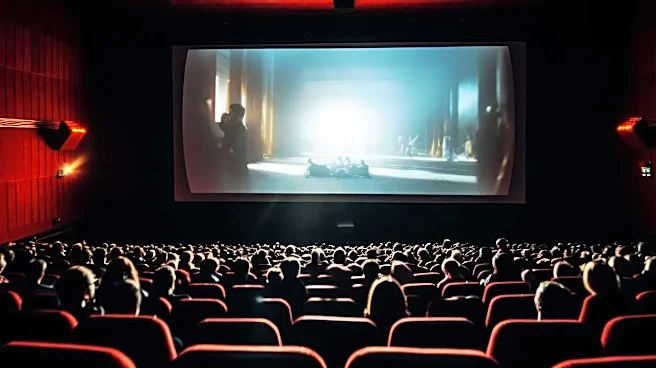
October horror-watching is rarely a solo activity. It’s a ritual. You gather with friends for a movie night or join a packed theater for the season’s big horror release. This social context is a powerful amplifier. Psychologists call it “emotional contagion,” where feelings spread rapidly through a group. When the person next to you screams, it gives you permission to scream, too. One person’s gasp creates a feedback loop, priming the entire audience to be more reactive to the next scare. This shared vulnerability paradoxically makes us feel safer, allowing us to lean into the fear more fully. Confronting the macabre in a group transforms it from a private anxiety into a bonding experience, a collective catharsis that strengthens social connections. The shared screams and laughter turn fear into fun, creating a memorable group ordeal you all “survived” together.
The Unsettling Comfort of the Season
Finally, the atmosphere of autumn itself sets the stage perfectly. The days get shorter, the nights get longer, and the weather turns colder. This isn't just a cliché; it has a real effect. There’s a primal unease that comes with darkness, a remnant of a time when predators roamed the night. Being warm and cozy inside while the wind howls outside creates a feeling of sanctuary, but it’s a sanctuary that constantly reminds you of the darkness it’s protecting you from. This blend of comfort and creepiness is the ideal emotional state for horror. The nostalgia of the season, tied to childhood memories of trick-or-treating and spooky stories, also plays a role. It frames the fear in a context of tradition and playfulness, making it an experience to be savored rather than just endured.