






An Architectural Marvel in the City Core
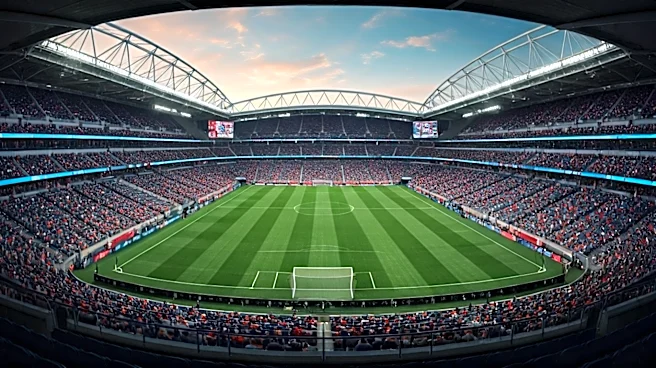
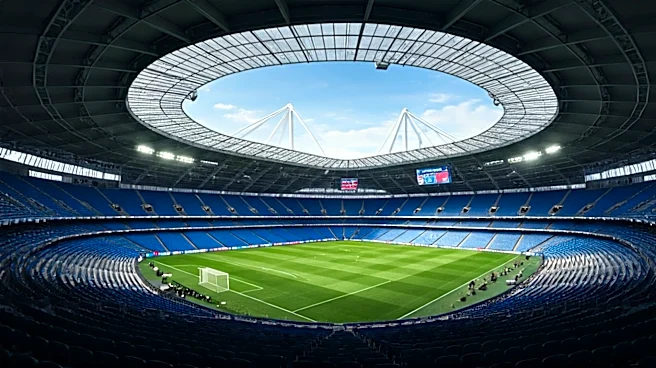
First, you have to look up. BC Place boasts the world's largest cable-supported retractable roof, which can open or close in about 20 minutes. This isn't just a gimmick; in a city famous for its rain, it guarantees a perfect match-day environment. For
Whitecaps FC matches, the stadium uses a draping system to close off the upper bowl, creating a more intimate and loud 22,000-seat configuration that amplifies crowd noise. A massive, four-sided, center-hung HD video board, one of the largest in North America, ensures fans don't miss a thing. Unlike many American stadiums isolated by seas of parking, BC Place is an architectural anchor in the heart of downtown Vancouver, creating a visual spectacle before you even step inside.
The Downtown Advantage: A Walkable Fan Experience
The single biggest difference might be what happens outside the gates. BC Place is arguably the most walkable stadium of the 2026 World Cup. Situated downtown, it's easily accessible via public transit and within walking distance of countless hotels, restaurants, and bars in neighborhoods like Yaletown and Gastown. This fosters a fundamentally different fan culture. Instead of tailgating in a parking lot, the pre-game ritual involves massive, organized “marches to the match,” where thousands of fans take over the city streets with chants and banners, creating a moving festival of color and sound. The stadium's location allows the energy of the game to spill out and merge with the city itself, turning the entire downtown core into a fan zone.
A Genuine, Deep-Rooted Soccer Culture
Vancouver isn't just borrowing a soccer culture for the World Cup; it's showcasing one that’s been brewing for decades. The city is home to Vancouver Whitecaps FC, a club with history dating back to 1974. This has cultivated a passionate and organized fanbase. Supporter groups like the Vancouver Southsiders, founded in 1999, are among the oldest in Canada and are the engine of the stadium's atmosphere, leading chants and creating large-scale visual displays known as tifos. This organic fan energy is different from the more corporate, NFL-style presentation seen in many U.S. venues. It's a culture built on deep-seated regional rivalries, particularly the Cascadia Cup, which pits the Whitecaps against Seattle and Portland, ensuring a knowledgeable and engaged crowd.
The World Cup Transformation: Getting the Details Right
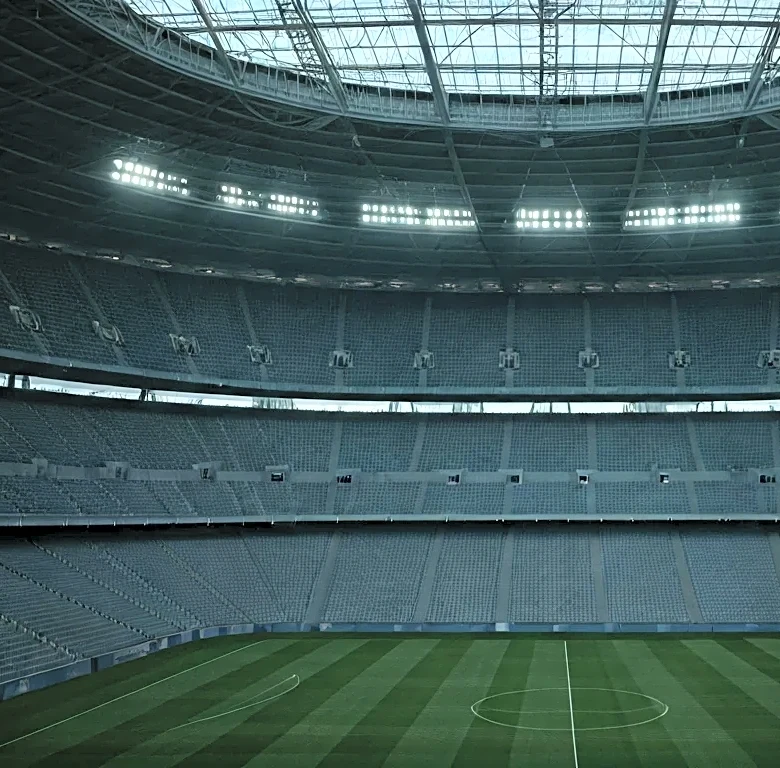
For the 2026 World Cup, BC Place has undergone significant upgrades to enhance the experience. The most critical change for soccer purists is the installation of a temporary natural grass pitch, grown locally in the Fraser Valley. While the stadium normally uses a FIFA-rated artificial turf, officials have installed a custom-blend grass field with its own irrigation and lighting systems to meet the tournament's exacting standards. This temporary surface will be removed after the seven World Cup matches, replaced by a new, upgraded artificial turf. Beyond the pitch, renovated locker rooms, new hospitality spaces, and improved accessibility features are designed to elevate the experience for players and fans alike, ensuring the venue is world-class in every respect.