






The Runway's Radical Re-Frame
London Fashion Week has always been known for its creative energy, a place where heritage meets a rebellious edge. This September was no different, with designers turning their attention to the art of tailoring. But instead of just presenting new suits,
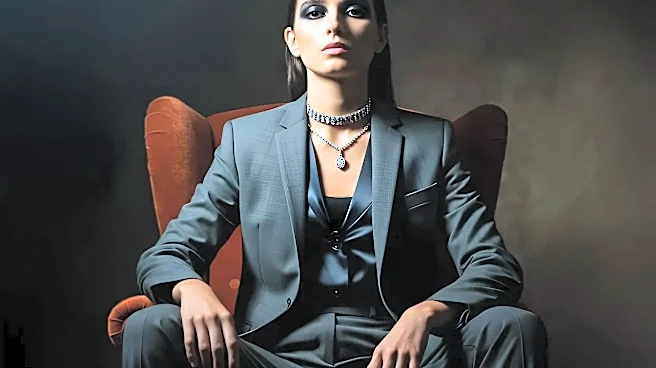
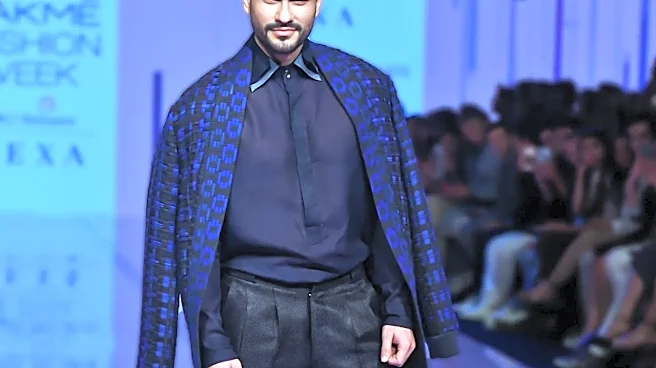
they took familiar silhouettes and turned them on their head. We saw architectural tailoring meet deconstructed elements, with designers like Genaro Rivas showcasing jackets with intentional ruptures and stretched proportions. Others, like Yuhan Ao, focused on layering, wrapping, and making the garment's construction visible, with unfinished edges and hand-stitched details that tell a story. It’s a move away from quiet perfection and toward personality. On runways from Toga to Emilia Wickstead, suiting was layered with unexpected items like denim jackets or deconstructed knitwear. Even classic patterns like plaid were scaled up and used in bold new ways, giving sharp tailoring a fresh, whimsical feel.
The Psychology of 'Permission to Play'
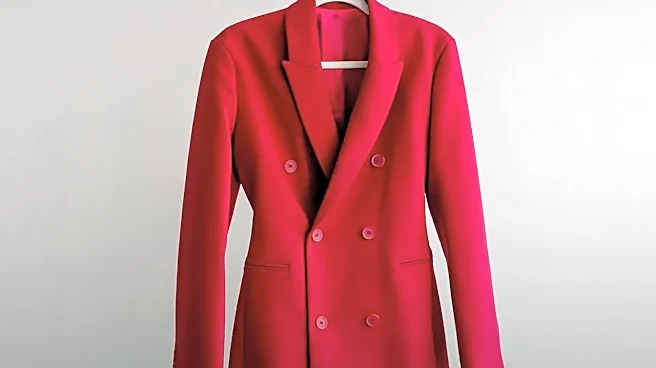
So why does this runway spectacle change how you see your own clothes? In short, it gives you permission. An old blazer is just an old blazer until a designer like Simone Rocha or a brand like Burberry reimagines it—perhaps with sculptural details or by cropping it at the waist. Seeing these established fashion houses break the 'rules' provides a powerful psychological cue. It validates experimentation and shifts our collective understanding of what looks 'right'. That combination you were hesitant to try—like a tailored jacket over a sporty windbreaker, a look seen on the streets and runways of LFW—suddenly feels less like a risk and more like a deliberate style choice. Fashion week, in this sense, isn't just showing you what to buy; it's showing you how to think about what you already have, encouraging you to see your wardrobe as a source of creative expression.
Street Style: The Ultimate Translator
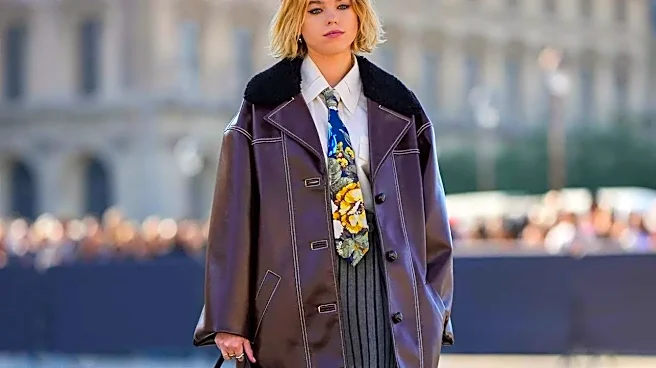
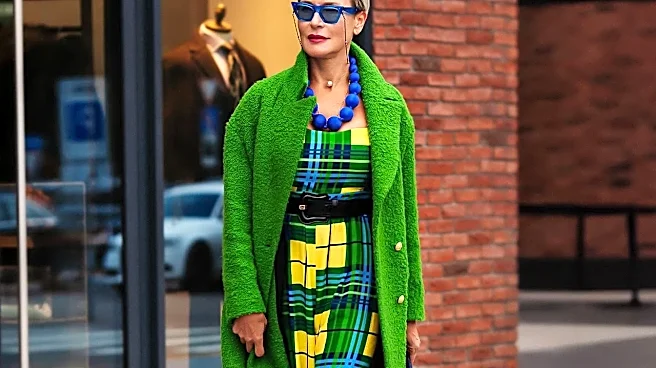
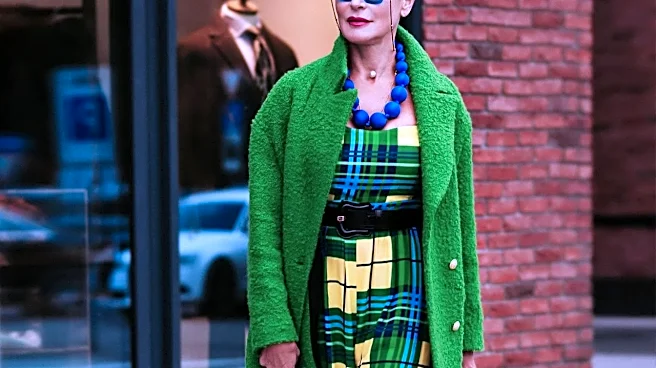
While runway shows provide the high-concept fantasy, the street style outside the venues is where those ideas get translated for real life. The pavements of London become a live-action lookbook, often proving more influential for daily dressing than the shows themselves. Here, you see editors, buyers, and influencers take the core ideas from the runway—like power dressing with strong shoulders or layering with abandon—and adapt them with their own unique spin. A sharp, tailored blazer might be paired with baggy jeans, a vintage band t-shirt, or chunky sneakers, instantly grounding the formal piece in a cool, contemporary context. This real-world application is crucial. It demystifies the trends and demonstrates their versatility, proving that you don't need the head-to-toe runway look to participate. The street style stars give us the immediate, wearable blueprint for making that old tailoring feel new again.
A Quiet Nod to Sustainable Style
This movement toward restyling isn't just a fleeting trend; it taps into a broader cultural shift towards sustainability. By showcasing the power of creative layering and deconstruction, designers and style leaders are implicitly endorsing the idea of shopping your own closet. Instead of promoting a complete wardrobe overhaul each season, the focus shifts to strategic updates and new combinations. Restyling a classic blazer is a powerful antidote to the fast-fashion cycle, which relies on churning out cheap, trend-driven items. Brands like Liberowe are gaining traction for their focus on refined, bold jackets that are designed to be timeless, using responsibly sourced deadstock fabrics. This approach—valuing craftsmanship and personal expression over disposability—is gaining momentum. Fashion week, by highlighting how to repurpose and reimagine, becomes a tool for more conscious consumption.