




What Is the Uncanny Valley, Anyway?
The 'uncanny valley' is that strange, unsettling feeling you get when a CGI character looks almost perfectly human—or, in this case, almost perfectly real—but something is just a little off. It’s the difference between charming animation and creepy realism.
The most infamous example is Disney’s 2019 remake of The Lion King. While a technical marvel, its photorealistic animals couldn’t emote. When Mufasa dies, the animated Simba’s face contorted in heartbreaking grief. The 'live-action' Simba just looked like a real lion cub: blank and unreadable. The drive for realism drained the story of its emotional core. For Moana to work, it must learn from this. The goal shouldn’t be photorealism, but emotional truth. It needs to feel magical, not like a nature documentary where characters suddenly start singing.
The Challenge of a Living Ocean
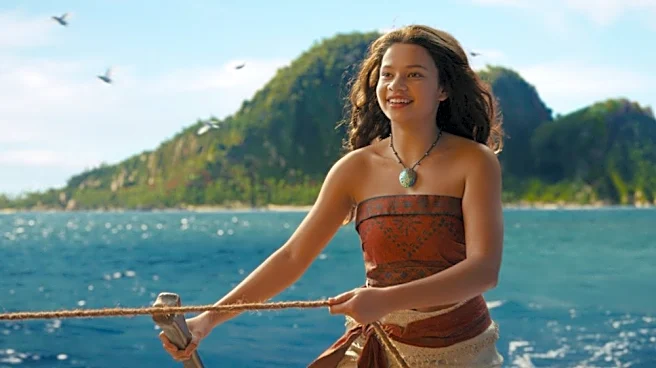
One of the most memorable characters in Moana isn’t a person or an animal, but the Pacific Ocean itself. In the 2016 film, the ocean is a playful, sentient being with a distinct personality. It high-fives Moana and playfully splashes Maui. Translating this to live-action is a massive hurdle. If the filmmakers aim for pure realism, they risk turning the ocean into a generic, soulless water-bending effect. The key will be stylization. Instead of trying to convince the audience that water can physically form a hand, the film should embrace the fantasy. Director Thomas Kail, known for the theatrical masterpiece Hamilton, has a background in stylized, emotionally resonant storytelling. By treating the ocean as a piece of magical choreography rather than a physics simulation, the film can preserve the character’s spirit and bypass the uncanny valley altogether.
Maui's Tattoos and the Demigod Dilemma
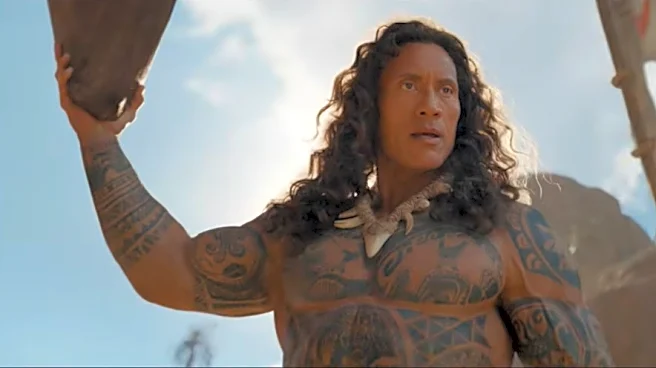
Dwayne 'The Rock' Johnson is back as Maui, a role he was born to play. His charisma is undeniable, but his character presents a unique CGI challenge: 'Mini Maui,' the living tattoo that acts as his conscience. In animation, Mini Maui is a delightful 2D character who zips across a 3D landscape. In live-action, this could easily look like a cheap, distracting sticker. Furthermore, trailers have already sparked online debate about Maui's overall look, particularly his wig, which some fans found jarring. To make Mini Maui work, the film needs to integrate him seamlessly onto Johnson's skin, making him feel like a part of the demigod, not just an effect layered on top. The design should favor the clean, graphic style of traditional Polynesian tattoos over a hyper-realistic figure. It’s about conveying a story on skin, a concept Johnson himself has celebrated as part of his culture. The focus should be on clear, expressive movements that serve the narrative, preserving the charm without shattering the illusion.
From Coconuts to Crabs: The Monster Problem
Beyond the gods and oceans, Moana is filled with fantastical creatures that will test the limits of CGI. There are the Kakamora, pint-sized pirates in coconut armor, who are both menacing and comical. Then there is Tamatoa, the gigantic, treasure-hoarding crab voiced once again by Jemaine Clement. Tamatoa lives in a neon-drenched underworld and performs a full David Bowie-inspired musical number. Making a photorealistic giant crab sing 'Shiny' without it becoming profoundly weird is perhaps the film's biggest test. As with The Lion King, extreme realism could make these creatures either terrifying or absurdly emotionless. The solution lies in finding a balance. The Kakamora need to retain their cartoonish fury, and Tamatoa’s design must prioritize expressive performance over biological accuracy. The magic of these characters is in their larger-than-life personalities, and the technology must serve that fantasy, not fight against it.