




The Era of Sneaker Supremacy
Not long ago, the fashion world was defined from the ground up by sneakers. We’re not talking about your gym shoes. We mean the architecturally audacious, logo-heavy, and wallet-emptying designs that dominated runways and sidewalks. Think of the Balenciaga
Triple S, a shoe so comically oversized it became a status symbol, or the deconstructed collabs from Virgil Abloh's Off-White that turned Nike classics into objets d'art. For the better part of the 2010s, streetwear was high fashion, and the luxury sneaker was its crown jewel. Getting the right “drop” was a cultural event, and a person’s footwear communicated their fluency in the hype cycle. They were loud, they were exclusive, and for a while, they were the only shoes that seemed to matter.
The Quiet Parisian Pivot
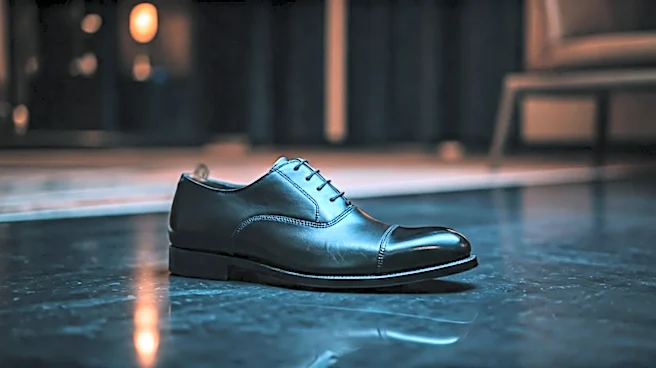
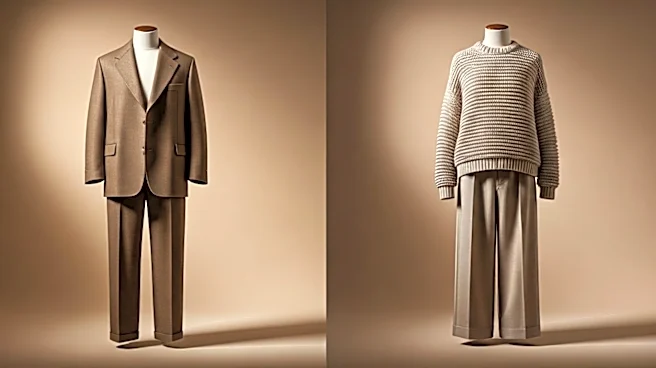
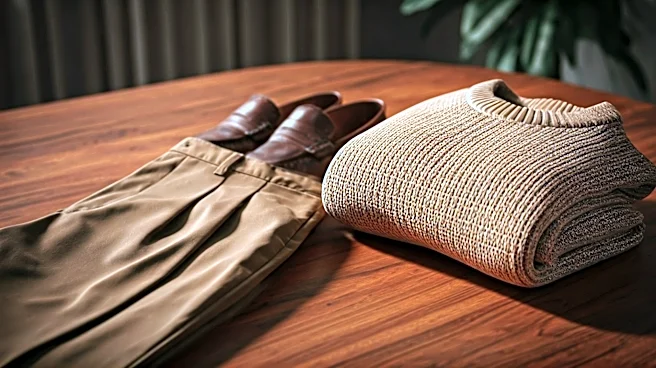
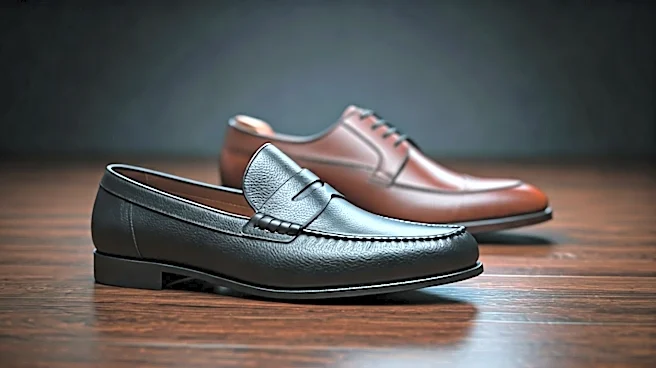
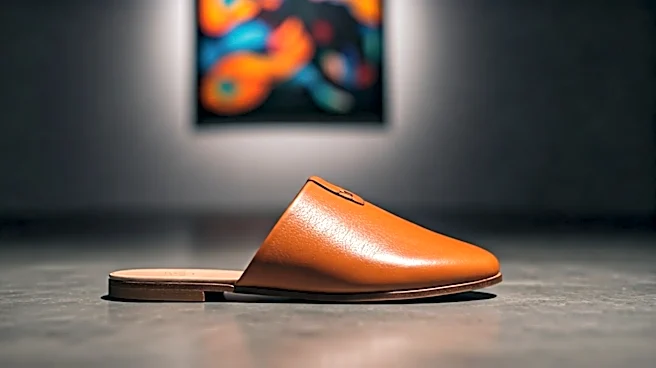
The pendulum, as it always does in fashion, has begun to swing back. The new direction isn’t about another sneaker; it’s about the shoe that was patiently waiting in the closet all along. The term “Parisian footwear codes” is a shorthand for this aesthetic: think classic, beautifully made leather shoes. We're seeing the resurgence of the penny loafer, the tassel loafer, the minimalist derby, and the elegant Chelsea boot. These aren't your grandfather’s stuffy dress shoes. They’re being worn with a modern, relaxed sensibility—with cuffed jeans, wide-leg trousers, and even casual shorts. Brands like The Row, Lemaire, and Bode have built their identities on this kind of understated, intellectual chic, but heritage brands like J.M. Weston and Alden are also finding a new, younger audience tired of the sneaker rat race. The goal is no longer to own the loudest shoe in the room, but the most timeless.
From Hype Cycles to Timeless Style
So, why the shift? It’s part of a larger cultural move away from the relentless churn of trends and toward something more lasting—a phenomenon often dubbed “quiet luxury.” After years of logo-mania and chasing algorithm-fueled micro-trends, there’s a collective exhaustion. Consumers are looking for pieces that signify taste rather than wealth, and craftsmanship over clout. A well-made leather loafer is the antithesis of a sneaker that might feel dated in six months. It gets better with age, molds to your foot, and carries a sense of permanence. This shift was also accelerated by the pandemic, which recalibrated our relationship with clothing, fostering a desire for comfort, quality, and pieces that feel personal and enduring rather than disposable and performative.
What This Means for Your Wardrobe
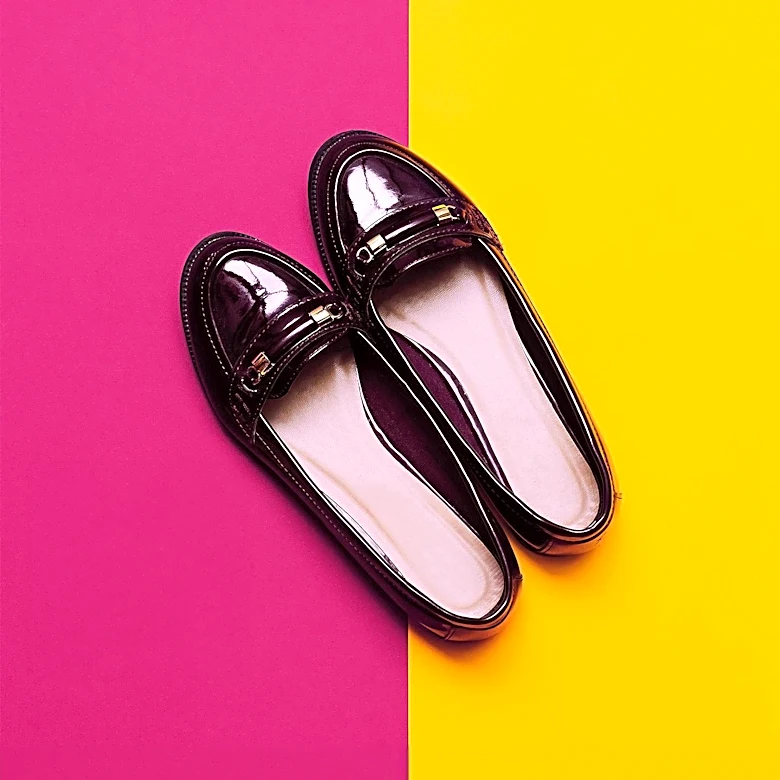
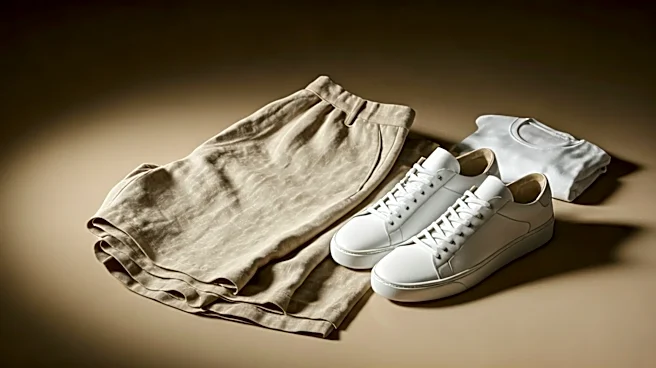
This doesn’t mean you should throw out your favorite sneakers. The sneaker isn’t dead; its absolute monarchy is simply over. It’s now part of a more democratic footwear landscape. The cool, minimalist sneaker—the Common Projects Achilles Low or a classic Adidas Samba—still fits perfectly within this new, refined mood. The real change is that the loafer has been elevated from a preppy staple or office afterthought to one of the most versatile and stylish shoes a person can own. It signifies a move toward a more grown-up, confident way of dressing. The new ideal is a wardrobe that mixes high and low, casual and formal, and the perfect shoe rack reflects that—a great pair of loafers sitting right next to a trusted pair of sneakers, ready for whatever the day holds.