




Anatomy of a 'Clean Girl'
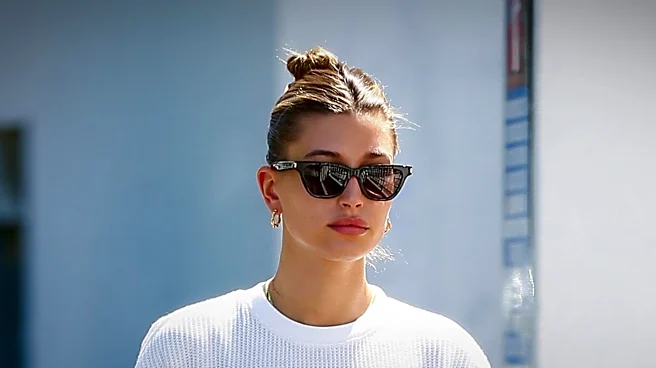
At its heart, the 'Clean Girl' aesthetic is a masterclass in polished minimalism. Visually, it’s defined by what it lacks: loud patterns, heavy makeup, and overt branding. The uniform is built from high-quality, timeless staples: a crisp white t-shirt,
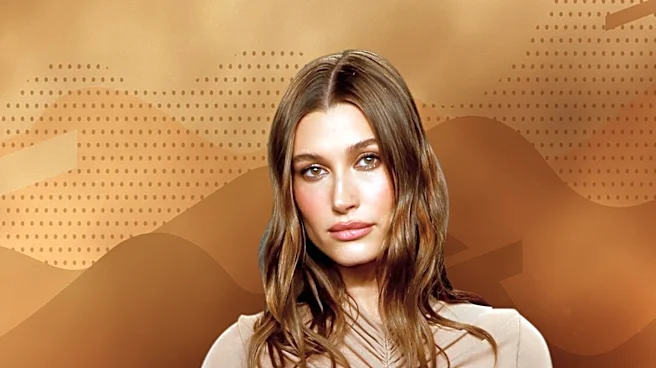
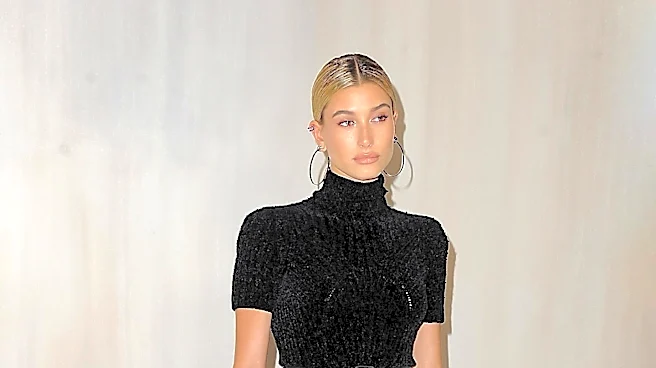
tailored trousers, an oversized blazer, and classic denim. The color palette is strictly neutral, think beige, white, black, and soft grays, creating a look that is cohesive and effortlessly sophisticated. Hair is almost always impeccably controlled, usually in a slicked-back bun or a neat ponytail. The beauty look is famously “no-makeup makeup,” prioritizing glowing, hydrated skin, brushed-up brows, and glossy lips over anything that looks too “done.” It’s an aesthetic that whispers wealth and control, suggesting a life as organized and clutter-free as the outfit itself.
The Rise of an Online Obsession
Emerging around 2021 and exploding on TikTok, the 'Clean Girl' aesthetic became one of the first major trends to be almost entirely codified and amplified by social media. It was the visual answer to a post-pandemic yearning for freshness, order, and a sense of calm control in a chaotic world. Celebrities like Hailey Bieber became the unofficial poster children for the movement, with her 'glazed donut' skin and minimalist street style providing a clear, aspirational template for millions. The aesthetic also perfectly dovetailed with the booming wellness industry; the look implies a lifestyle of Pilates classes, green juices, and extensive skincare routines. It wasn't just about clothes; it was about performing a holistic, disciplined, and highly curated version of self-care for an online audience.
The Unspoken Cost of 'Clean'
For all its talk of simplicity, the 'Clean Girl' aesthetic came under heavy criticism for being exclusionary and promoting an unrealistic, often expensive, ideal. The emphasis on flawless skin alienates anyone with acne, texture, or other normal skin variations. Furthermore, the aesthetic, which was primarily championed by thin, white influencers, was criticized for its lack of diversity. Many pointed out that key elements—like slicked-back hair and gold hoop earrings—have been staples in Black and Latina communities for generations, where they were often labeled as 'ghetto' or 'unprofessional' before being rebranded as chic on white women. This led to accusations of cultural appropriation and highlighted a stark double standard in what is considered fashionable. The implication of a 'clean' look also suggested that other styles were inherently 'dirty,' creating a problematic hierarchy of taste.
The Legacy: Quiet Luxury and Investment Dressing
While the specific term 'Clean Girl' may be fading as culture moves toward more maximalist expressions, its core principles have permanently altered the fashion landscape. The aesthetic's emphasis on high-quality, timeless basics dovetailed perfectly with the rise of 'quiet luxury' or 'stealth wealth'—a preference for unbranded, well-made garments over loud, logo-heavy pieces. It helped accelerate a broader shift in consumer behavior, with many now prioritizing versatile, durable clothing and investing in a capsule wardrobe rather than chasing fleeting micro-trends. The focus on quality materials and craftsmanship has become a mainstream value. In this sense, the 'Clean Girl' didn't just sell outfits; it successfully sold a philosophy of consumption that favors longevity and subtlety, reshaping closets for a generation that is increasingly weary of fast fashion's churn.