



The Suspicious Bidding Process
Let’s start with how we got here. Every few years, countries bid to host the World Cup, a process overseen by FIFA, the sport's global governing body. In 2010, FIFA shocked the world by awarding the 2018 tournament to Russia and the 2022 tournament to Qatar—a
tiny desert nation with scorching summer heat and no existing soccer infrastructure. Allegations of bribery and corruption immediately followed. While direct proof of vote-buying for Qatar's bid remains elusive and disputed, the decision was a catalyst for a massive U.S. Department of Justice investigation. In 2015, the DOJ indicted several high-ranking FIFA officials for racketeering, wire fraud, and money laundering conspiracies spanning decades. This scandal confirmed what many fans long suspected: the beautiful game was being run by a deeply corrupt organization, and decisions about where to play were often about backroom deals, not what was best for soccer.
The Rise of 'Sportswashing'
So why would a country like Qatar want the World Cup so badly, despite the cost and scrutiny? That’s where you’ll hear the term “sportswashing.” It’s the idea that a nation with a poor human rights record or a controversial global image uses a high-profile sporting event to cleanse its reputation. By hosting a month-long party that the whole world watches, they project an image of modernity, power, and openness. The goal is to get people talking about amazing goals and state-of-the-art stadiums instead of restrictive laws, lack of democracy, or treatment of minority groups. Critics argue that hosting events like the World Cup or the Olympics allows authoritarian regimes to purchase legitimacy on the world stage, using the universal love of sports as a public relations shield.
The Human Cost of Building the Dream
Qatar’s winning bid came with a huge problem: it had almost none of the required stadiums, hotels, or infrastructure. To build it all at incredible speed, the country relied on millions of migrant laborers, primarily from South Asia and Africa. These workers were governed by the “Kafala” system, a sponsorship structure common in the Gulf region that tied a worker’s legal status directly to their employer. This created conditions that human rights groups described as modern slavery. Workers reported having their passports confiscated, wages withheld, and being forced to live in squalid camps while working long hours in extreme heat. While Qatar has disputed the exact number, investigative reports from outlets like The Guardian linked thousands of migrant worker deaths to the construction boom since 2010. Facing immense international pressure, Qatar eventually introduced labor reforms, but critics say they were too little, too late.
A Clash of Culture and Values
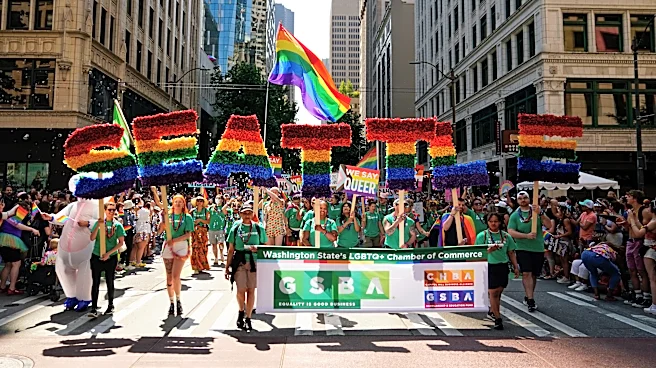
The controversy didn’t stop with construction. As fans and teams prepared to descend on Qatar for the 2022 tournament, a culture clash became unavoidable. Qatar is a conservative Muslim country where homosexuality is illegal and there are strict restrictions on alcohol and public displays of affection. This put FIFA and its sponsors, who promote messages of inclusivity, in an awkward position. European teams planned to have their captains wear “OneLove” armbands to support LGBTQ+ rights, but backed down under threat of on-field penalties from FIFA. Fans were confused about rules on drinking beer at stadiums, which were changed at the last minute. These tensions highlighted a fundamental question: Should the world's biggest sporting event adapt to the host nation’s laws, or should host nations be required to meet a baseline standard of human rights and personal freedoms to qualify?