







The Home-Field Advantage (and Burden)
Hosting the planet’s biggest sporting event is a double-edged sword. On one hand, the USMNT will play in front of massive, fervent home crowds, sleeping in their own beds and avoiding the grueling travel that defines a typical World Cup. But the other
edge is sharp. The last time the U.S. hosted in 1994, the team was a scrappy underdog, and a trip to the Round of 16 was a roaring success. That team was comprised of college players and pros from leagues less heralded than Europe's best. Now, with soccer's popularity surging in the U.S., particularly among younger audiences, anything less than a deep, convincing run will feel like a missed opportunity on a global stage. The 1994 tournament was about planting a seed for American soccer; 2026 is about the harvest.
A 'Golden Generation' Comes of Age
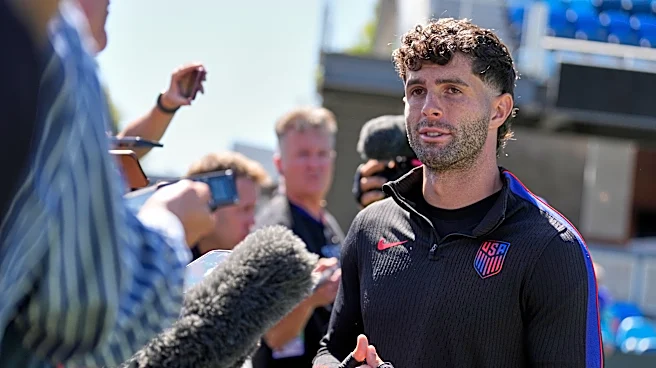
For years, fans have spoken of a “golden generation” of American talent. That generation is no longer a promising group of kids; it's a squad of veterans in their prime. Players like Christian Pulisic, Weston McKennie, Tyler Adams, and Gio Reyna aren't just names on a roster; they are seasoned professionals at major European clubs. This isn't the 1994 team. This is arguably the most talented collection of players the U.S. has ever assembled. That talent, however, creates immense pressure. After failing to qualify for the 2018 World Cup, this core group was identified as the one to lead the program back to relevance. This tournament, on home soil, was always circled as their moment of culmination. Now that the moment is here, they must deliver not just wins, but a performance that validates nearly a decade of hype.
The Business of Belief
Soccer's landscape in America has transformed since 1994. Major League Soccer, a league created as a condition for hosting that tournament, is now a thriving entity with a multi-billion dollar media deal. Soccer is more popular than ever, with interest among young people climbing steadily. The 2026 World Cup is projected to generate billions in economic activity. But the real return on investment hangs on the USMNT's performance. A thrilling, successful run could solidify soccer's place in the top tier of American sports, captivating a generation of new fans and sponsors. Conversely, an early or embarrassing exit would be a catastrophic momentum-killer. This team isn't just playing for a trophy; they're playing to prove that the decades-long project of American soccer has finally reached a new level.
The Ghost of Knockout Rounds Past
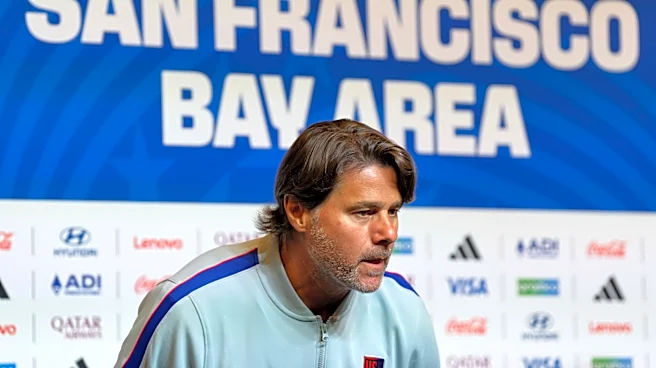
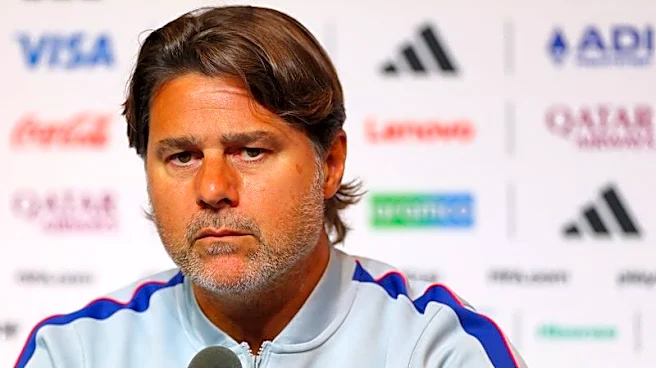
History looms large over the USMNT. While the team has become a regular in the World Cup since 1990, it has consistently struggled to break through the ceiling of the knockout rounds. In eight all-time knockout games, the team has won just one. The best modern run came in 2002, reaching the quarterfinals. That benchmark is now the minimum expectation. Getting out of the group stage is no longer enough. To be considered a success, this team must win when the lights are brightest. They must overcome the psychological barrier that has stopped previous American teams. Manager Mauricio Pochettino has dared fans to dream, but dreams are built on results. For this team, the pressure isn't just to play well; it's to exorcise the demons of tournaments past and prove they can compete with the world's elite when everything is on the line.