



The Spectacle is the Invitation
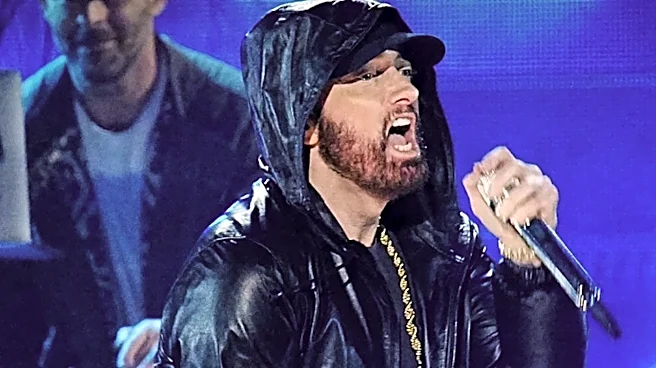
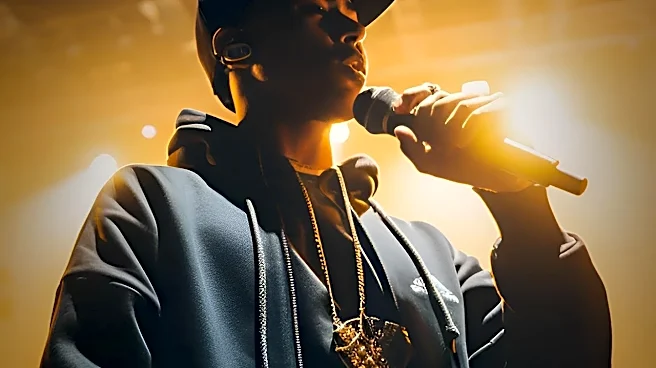
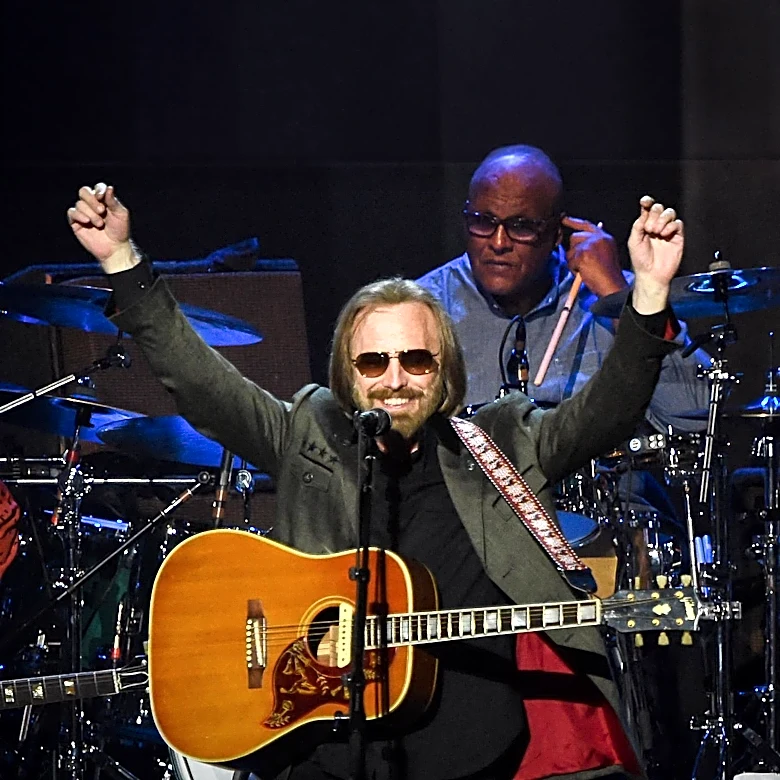
There was a unique electricity to the Hip Hop Honors. It wasn't just another awards ceremony; it felt like a family reunion where every generation was invited. You’d tune in to see a current chart-topper and end up mesmerized by their tribute to a legend
you only vaguely knew. The show brilliantly used the currency of modern celebrity to get our attention. It understood that seeing Kanye West and Common share a stage to honor A Tribe Called Quest, or watching modern artists reinterpret the work of Public Enemy and Run-DMC, was appointment television. That blend of the familiar and the foundational was the whole point. The glamour wasn’t a distraction from the history; it was the neon sign pointing directly toward it.
A Masterclass in Cultural Significance
Unlike other shows often focused on commercial success, Hip Hop Honors had a different mission. It was designed to celebrate and contextualize the architects of the culture. The honorees were a roll call of pioneers whose influence is still felt today: from DJs like Kool Herc and Afrika Bambaataa to game-changing artists like Tupac, Lil' Kim, and Queen Latifah. The event served as a crucial corrective, reminding audiences that hip-hop is a culture with deep roots, born from the streets of the Bronx and built on pillars of lyrical innovation, social commentary, and artistic rebellion. For viewers, it was a living, breathing museum where the exhibits weren't behind glass but performing live on stage, their impact explained not by a plaque but by the very artists they inspired.
Connecting the Dots from Then to Now
The true genius of the Honors was its ability to draw a straight line from the past to the present. You could see the DNA of a song from 1985 in a hit from 2005. The tribute performances were more than just covers; they were acts of translation, showing how the flow of Rakim or the storytelling of Slick Rick became essential building blocks for entire subgenres. This is especially vital in a culture that moves as fast as hip-hop. The show provided a space to pause and appreciate the foundation before the next trend took over. It demonstrated that hip-hop isn’t a series of disconnected moments but a continuous, evolving conversation. An artist receiving an honor wasn't just getting a trophy; they were being formally written into the next chapter of an epic story.
The Spirit of the Honors Lives On
While the official VH1 Hip Hop Honors ceremony was cancelled after its 2017 run, its spirit is more alive than ever. The culture continues to find powerful ways to celebrate its legacy. We see it in events like Lil' Kim’s recently announced orchestral performance of her classic album “Hard Core,” a black-tie affair designed to elevate her groundbreaking work into the symphonic realm. We see it when a pioneer like MC Lyte, the first solo female rapper to have a gold single, is given a Music Fairness Award in August 2026 for her decades of advocacy. These moments, whether on a grand stage or in a community setting, carry the same torch: they use the present to illuminate the past, ensuring the architects are never forgotten. They affirm that honoring history isn't just a special occasion, but an ongoing responsibility.