








More Than a Day at the Races
For most Americans, horse racing might conjure images of the Kentucky Derby’s seersucker suits and festive, but relatively relaxed, headwear. Royal Ascot, held each June in Berkshire, England, operates on an entirely different level. Founded in 1711 by Queen
Anne, it has remained a fixture of the British royal and social calendar for over 300 years. The daily Royal Procession, where the King and Queen arrive in a horse-drawn carriage, sets the tone: this is an event steeped in tradition, pageantry, and a very specific kind of formality. It’s less about the sport itself—though the racing is world-class—and more about participating in a grand, living piece of cultural theater. The clothing isn’t just an accessory to the event; in many ways, it *is* the event.
The Art of the Dress Code
Unlike most events where “cocktail attire” is open to interpretation, Ascot’s rules are famously, gloriously specific, especially in the prestigious Royal Enclosure. For women, dresses and skirts must be of “modest length,” defined as falling just above the knee or longer. Straps on dresses and tops must be at least one inch wide—no spaghetti straps, halternecks, or strapless styles allowed. Trouser suits are welcome, but must be full-length and of matching material and color. And the crowning glory: a hat is mandatory. Not a fascinator, which is a small decorative headpiece, but a substantial hat with a solid base of 4 inches or more in diameter. These aren’t suggestions; they are strictly enforced rules that turn the entrance into a gauntlet of sartorial scrutiny. While it may sound restrictive, this framework is precisely what fuels the creativity.
Where Rules Fuel Creativity
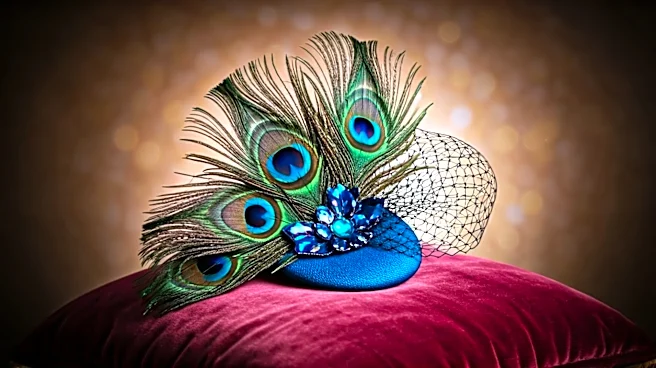
This is where the magic happens. When designers and attendees are given a rigid set of rules, they don’t just comply; they find inventive ways to excel within them. The strict dress code becomes a creative challenge, not a limitation. The one-inch strap rule inspires elegant cap sleeves and sculptural necklines. The modest hemline encourages a focus on beautiful tailoring, luxurious fabrics, and dramatic silhouettes. Most of all, the hat mandate turns headwear into an art form. Milliners create breathtaking sculptures of feathers, silk, and sinamay that defy gravity and convention. Instead of a free-for-all, the dress code creates a level playing field where flair is expressed through nuance, color, and architectural bravado. Being “extra” at Ascot isn’t about being revealing or breaking rules; it’s about mastering them with such panache that your outfit becomes a statement of personal style.
Finding Your Own Ascot Moment
You don’t need a ticket to the Royal Enclosure to embrace this spirit. The lesson from Ascot is that dressing up for an occasion isn’t about losing yourself to a stuffy uniform; it’s an opportunity to elevate the moment and express a different side of your personality. In the U.S., we have fewer occasions with such explicit codes, but the principle holds true for a formal wedding, a charity gala, or even a themed party. Instead of defaulting to the safest black dress, consider the invitation as permission to go bigger. What if you chose a vibrant color? A more dramatic silhouette? What if you actually wore the statement necklace that’s been sitting in your jewelry box? Ascot reminds us that there’s joy in pageantry and that embracing a dress code can be liberating. It gives you the perfect excuse to step outside your comfort zone and participate in a collective moment of fantasy and elegance.