




The Art of the Shadow
First, let's get one thing straight: in cinematography, darkness is not an absence of light, but a tool for shaping it. When filmmakers create a scene that feels dark, they're often using a technique called low-key lighting. This approach intentionally
creates high contrast between light and shadow. Instead of flooding a set with light to show everything, a director and cinematographer use a single primary light source (a key light) to carve a subject out of the darkness. The goal isn't to hide things from you, but to direct your eye, build suspense, and create a powerful mood, whether it's the tension of a thriller or the intimacy of a quiet drama. True cinematic darkness is about what is revealed, not what is concealed.
Painting with Light: Chiaroscuro's Legacy
This isn't a new idea. The technique has its roots in Renaissance painting, where artists like Caravaggio and Rembrandt mastered what the Italians called "chiaroscuro," literally meaning "light-dark." They used dramatic contrasts to give their two-dimensional paintings a sense of depth, volume, and intense emotion. Filmmaking adopted this principle for the same reasons. Think of classic film noir, where a detective's face is half-shrouded in shadow, or the sculpted, operatic lighting in "The Godfather." The darkness in these films has a purpose: it tells a story. The shadows can suggest moral ambiguity, hidden danger, or a character's internal conflict, creating a rich visual narrative that flat, bright lighting could never achieve.
When Good Lighting Goes Bad
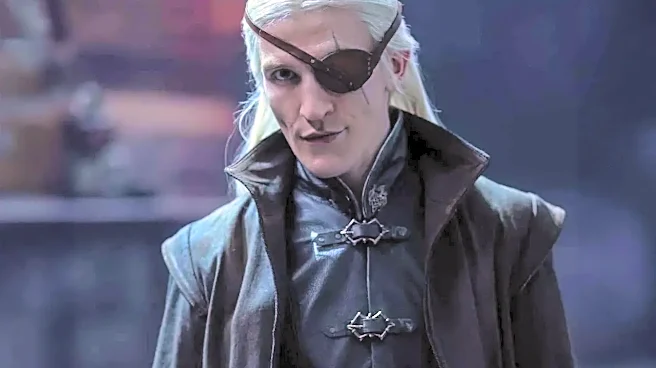
So if low-key lighting is an art, why do so many modern shows and movies just look like a muddy mess? The infamous "Game of Thrones" episode "The Long Night" is a prime example. While the creators intended to immerse viewers in the chaos of a nighttime battle, the result for many was an unwatchable blur. The problem often lies in a collision of factors. Sometimes the creative choice itself is flawed. But more often, the issue is technical. Video compression, which is necessary for streaming services to send massive files to your home, is a major culprit. Compression algorithms save space by sacrificing data, and the first information to go is usually in the darkest parts of the image, leading to blocky, pixelated shadows. What looked perfect in a high-tech editing suite becomes a disaster after it’s squeezed through the internet's pipes.
Your Screen vs. The Director's Vision
The final battleground for visual clarity is your own living room. The director and cinematographer made their choices on professional-grade monitors in a perfectly dark room. You, on the other hand, are likely watching on a consumer television in a room with ambient light. Your TV's factory settings might be crushing blacks or blowing out highlights. Even the angle you're watching from can affect what you see. Filmmakers like Greig Fraser, who shot the critically acclaimed but visually dark "The Batman," meticulously craft their images to work in these low-light conditions, using pops of light to guide the eye and maintain coherence. But this delicate balance is easily broken. A director's dark, moody masterpiece can be undone by an aggressive streaming compression algorithm, a poorly calibrated TV, or even just a lamp turned on in the corner of your room.