
The Age of the Contour Stripe
For the better part of the 2010s, one makeup technique ruled them all: contouring. Propelled into the mainstream by celebrities like Kim Kardashian and a legion of YouTube beauty gurus, contouring became
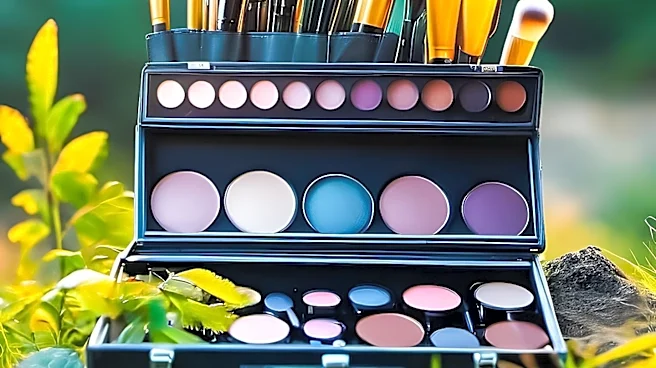
a cultural phenomenon. It wasn't just makeup; it was facial architecture. The technique, which had long been a secret of drag performers and professional makeup artists, promised transformation. Using stark lines of dark cream or powder, you could seemingly slim a nose, sharpen a jawline, and carve out cheekbones worthy of a high-fashion editorial. The look was dramatic, high-impact, and perfectly suited for the pixel-perfect world of Instagram. It was about creating a flawless, camera-ready mask. Tutorials for achieving the look often involved a complex mapping of the face with stripes and triangles, followed by a frantic session of blending. The result was undeniably striking, but it was also heavy, time-consuming, and often looked more like a special effect than actual skin.
The Backlash to 'Instagram Face'
Like all trends, the heavy contour eventually reached its saturation point. The very thing that made it popular—its transformative, almost artificial quality—became its undoing. A collective fatigue set in. The “Instagram Face,” a term coined to describe a homogenous look defined by fillers, filters, and heavy makeup, started to feel less aspirational and more uncanny.
Then came the cultural shifts. The pandemic pushed a focus on skincare and wellness, birthing the “skinimalism” movement. We spent months at home, getting reacquainted with our bare faces. Authenticity became the new currency. On social media, a pivot towards “casual” photo dumps and less-filtered content made the hyper-polished look feel dated. Celebrities, too, started dialing it back. We began to see more real skin texture, freckles, and faces that looked human rather than digitally rendered. The aggressive, painted-on cheekbone simply didn't fit this new, softer mood.
Enter 'Soft Sculpting'
In place of the harsh contour, a new technique has risen: soft sculpting. This isn’t about abandoning facial definition altogether, but rather achieving it in a more subtle, intuitive way. It’s the difference between building a new face and simply enhancing the one you have.
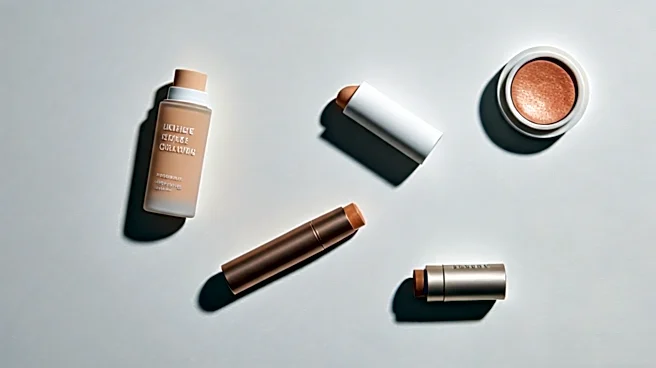
Soft sculpting relies on creamy, blendable products—think cream bronzers, liquid blushes, and subtle highlighters—that melt into the skin. Instead of drawing sharp lines, the technique involves placing product strategically in the natural hollows and high points of the face. The goal is to create gentle shadows and a believable, lit-from-within glow. It’s about whispering at your bone structure, not shouting at it. Makeup artists like Nikki DeRoest and Mary Phillips have become masters of this style, creating looks on clients like Hailey Bieber and Zoë Kravitz that are defined yet fresh, sculpted yet breathable.
From Transformation to Enhancement
Ultimately, the shift from heavy contour to soft sculpting reflects a broader change in our beauty ideals. The old model was about correction and transformation—using makeup to fundamentally alter your features to fit a certain standard. The new model is about enhancement and individuality. It’s a more confident, relaxed approach that celebrates natural bone structure and healthy skin.
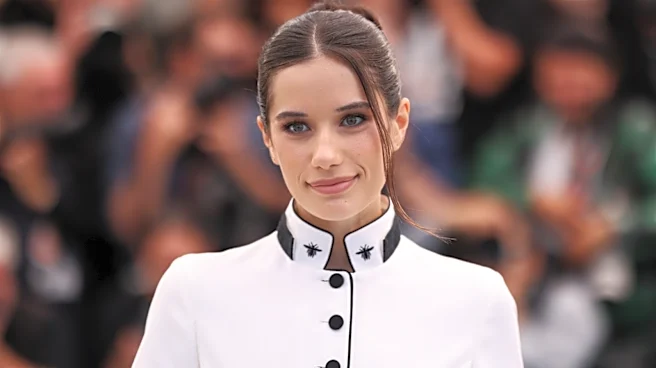
A barely sculpted cheekbone wins because it feels modern. It suggests a person who is comfortable in their own skin, who wants to look like the best version of themselves, not a carbon copy of a trending filter. It’s less about the technical prowess of the application and more about the overall effect: effortless, radiant, and, most importantly, real. The heavy red-carpet contour had its moment, but its successor offers something far more appealing for today: the freedom to look like yourself.