



The A-List Audio Invasion
Not long ago, scripted podcasts were a scrappy, innovative corner of the audio world, driven by writers, sound designers, and a dedicated community of voice actors. Today, the landscape sounds dramatically different. Big-budget productions from major
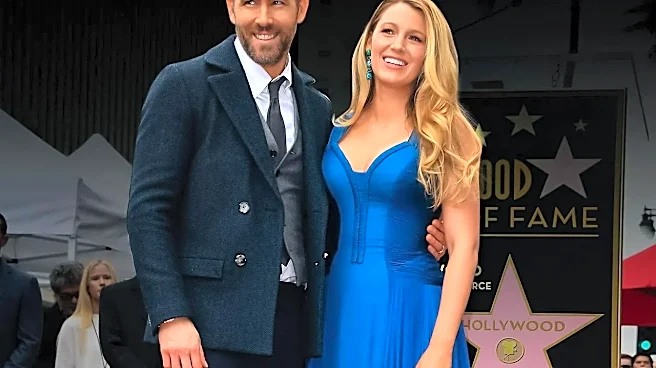
platforms now regularly feature Hollywood heavyweights. Stars who once dominated the big screen are now lending their voices to audio dramas, a trend that has accelerated as podcasting proves its commercial and creative potential. For actors, it offers a flexible, performance-focused medium. For studios, it's a way to generate immediate buzz and signal prestige. This influx of celebrity talent is also driven by a larger Hollywood strategy: podcasts are increasingly seen as a cost-effective way to develop and test intellectual property (IP) before committing to a multi-million dollar TV or film production. Some actors are even co-producing these projects to gain IP ownership, a rarity in traditional film and television.
How Star Power Raises the Awards Stakes
When it comes to awards season for podcasts, like the Ambies or Webby Awards, the competition is fiercer than ever. Attaching a famous actor to a project instantly elevates its profile. It's a marketing shortcut; the celebrity's existing fame generates press and social media attention that an independent production could never afford. This visibility puts a podcast on the radar of awards voters from day one. A recognizable voice can act as a seal of quality, drawing in listeners and critics who might otherwise overlook a new show. For networks and studios, big names are seen as a safer bet to attract large audiences and, by extension, advertisers. The calculation is simple: a star-studded cast list makes a podcast feel like an event, increasing its perceived importance and making it a more likely contender for nominations and wins.
The Backlash and the 'Quality' Question
However, the rise of celebrity casting is not without its critics. A key debate centers on whether a famous screen actor is inherently better for a role than a seasoned voice actor. Voice acting is a distinct skill set, and some argue that a celebrity's famous voice can be a distraction, pulling the listener out of the story. There's a growing concern that this trend creates a two-tiered system, where indie creators—the original innovators of the medium—are being priced out and overshadowed. Critics point to a perceived "laziness" in commissioning, where networks opt for the easy marketing hook of a celebrity rather than investing in discovering and nurturing new talent. This can lead to a glut of similar-sounding shows and risks homogenizing a medium celebrated for its diversity and accessibility.
Beyond the Voice: What Still Matters
Ultimately, while a star can get a podcast noticed, it can't guarantee it's good. Award-winning audio fiction still hinges on the fundamentals: a compelling story, sharp writing, and immersive sound design. Many of the most critically acclaimed and beloved podcasts found success without a single marquee name, proving that originality and quality can still cut through the noise. Shows like the inaugural Astra Awards' Best Scripted Podcast winner, "Visionaries Audio Drama," often build their reputation through grassroots support and creative excellence. Listeners, and by extension awards voters, are looking for a complete package. A celebrity performance in a poorly written or produced show is unlikely to win accolades over a well-crafted story featuring unknown but talented actors. The casting is a powerful tool, but it's just one instrument in the orchestra. The magic happens when star power is combined with genuine substance, elevating a great story rather than just marketing a mediocre one.