






The Power of the Spectacle
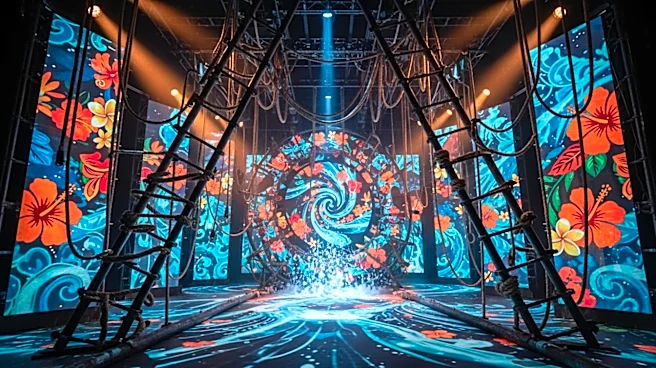
Let’s be clear: the spectacle of Moana is incredible. From the percussive opening chant of “Tulou Tagaloa” to the David Bowie-esque glam rock of “Shiny,” the film is a masterclass in musical maximalism. Composers Lin-Manuel Miranda, Mark Mancina, and Opetaia
Foa'i created a soundscape that feels both epic and intimate, blending Broadway polish with authentic Polynesian rhythms. The visuals are just as stunning. Directors Ron Clements and John Musker, who once brought Ariel’s underwater kingdom to life, used new technology to make the Pacific Ocean a living, breathing character. The water shimmers, crashes, and playfully interacts with Moana, a feat of animation that still feels revolutionary. This grandeur is essential; it’s what sells the mythic scale of Moana’s heroic journey.
The Journey Begins in Stillness
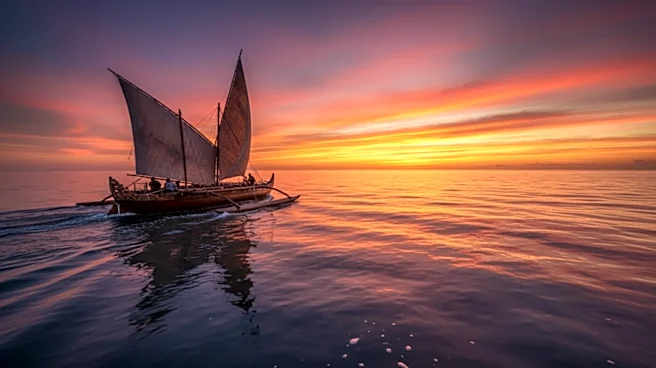
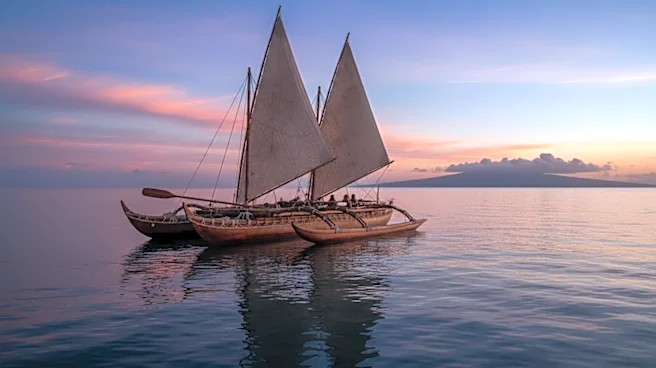
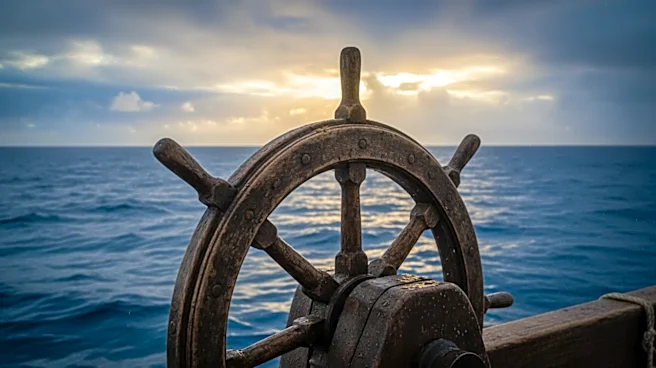
Yet, the film’s true genius lies in its use of contrast. After Moana defiantly sails past the reef, the triumphant swell of music fades. We are left with just the sounds of the open ocean: the creak of the canoe, the lapping of waves, and the vast, intimidating silence of the sea. In this quiet, the true weight of her decision lands. She is no longer just the chief’s daughter with a powerful “I want” song; she is a lone navigator on an impossible quest, dwarfed by the world. This silence isn't empty. It’s filled with tension, vulnerability, and the immense courage of her actions. The spectacle got her on the water, but the silence establishes the stakes.
Learning to Listen to the Ocean
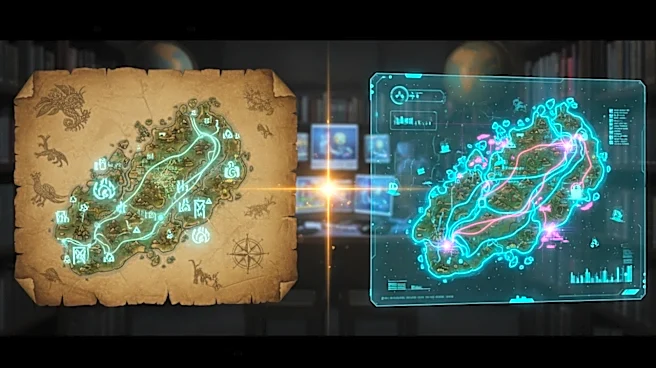
The theme of silence deepens when Maui begins teaching Moana the art of wayfinding. It is, he explains, not about shouting commands at the sea, but about listening to it. True navigation, as practiced for millennia by Polynesian voyagers, is a sensory experience. It requires attuning oneself to the subtle shifts in ocean swells, the patterns of the stars, and the direction of the wind—clues that are imperceptible in a storm of noise. The film beautifully visualizes this. To find her way, Moana must learn to be still, to observe, and to feel the rhythms of the natural world. In these moments, the absence of a soaring score allows the audience to connect with the deep, ancestral knowledge she is tapping into. It’s a knowledge rooted not in magical fish-hooks, but in profound, quiet observation.
Silence as the Ultimate Storyteller
Ultimately, the quiet wayfinding scenes serve a critical narrative purpose. They honor the very real and sacred art of Polynesian navigation, which the filmmakers researched extensively. Elders on the research trips advised the Disney team that to understand their culture, they had to be “swallowed by it.” Part of that involves understanding that wayfinding is a spiritual practice as much as a technical one—a connection between navigator, ancestors, and the ocean itself. By stripping away the music and letting the natural soundscape breathe, the film grants these scenes the reverence they deserve. The silence invites the audience to lean in and listen, just as Moana must. It transforms the act of navigation from a simple plot point into the emotional and cultural heart of the film.