


The Promise of a Perfect View
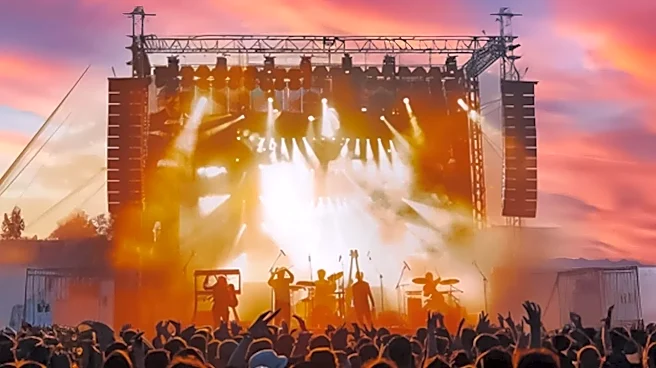
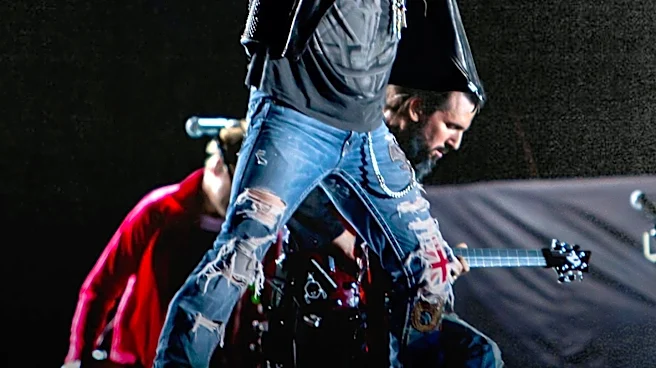
Modern broadcasting is a technological marvel. For any major live event, whether it's a music festival, a championship game, or a theatrical premiere, the goal is to give the at-home viewer an experience impossible to get in person. We’re offered drone
shots sweeping over the crowd, super slow-motion replays of a crucial play, and extreme close-ups of a guitarist’s fingers or a singer’s emotional expression. The promise is omniscience—the ability to see everything, perfectly, from every angle. This multi-camera approach is designed to create an immersive, dynamic narrative for the viewer. Producers can cut from a wide shot of the stage to the reaction of a fan in the front row, crafting a story in real-time. It’s a highly curated, polished product designed for maximum engagement and visual appeal.
Losing the Freedom to Look
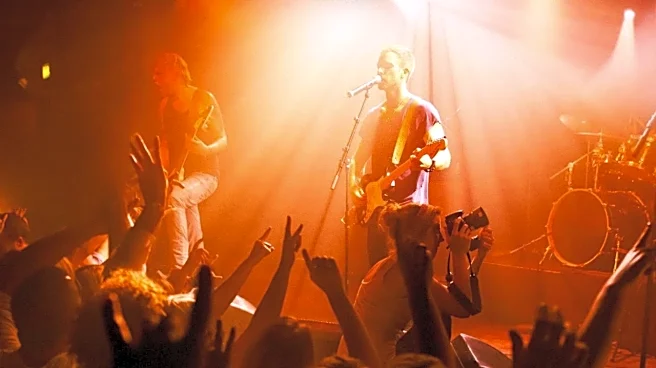
The problem is, “live” isn’t just about seeing things as they happen; it’s about experiencing them. When you’re physically at an event, you have agency over your own gaze. You can choose to watch the lead singer, or you can turn your attention to the drummer’s frantic energy, the interplay between background vocalists, or the mesmerized faces of the people standing next to you. You’re taking in the whole scene, imperfections and all. Broadcasts take that freedom away. A director in a production truck is making those choices for you, cutting from one shot to the next every few seconds. Your focus is constantly being guided and dictated. This curated experience, while visually dynamic, is fundamentally different from the personal, subjective experience of being there. The broadcast’s perspective replaces your own, and in doing so, it constantly reminds you that you are a spectator of a media product, not a participant in a communal event.
The Uncanny Valley of Liveness
This leads to a psychological disconnect, an uncanny valley of liveness. The broadcast looks too perfect. The sound is flawlessly mixed, the lighting is dramatic, and every shot is framed for maximum impact. But this perfection is sterile. It lacks the messiness and unpredictability that defines a truly live experience. There are no surprise moments of connection with the people around you, no feeling of the bass vibrating through the floor, and none of the spontaneous, unscripted magic that makes each live show unique. Media theorists have long debated the concept of “liveness,” and many have noted that media technology has encroached on live events to the point where they are hardly “live” at all in the traditional sense. The more polished the mediation, the more it can highlight the distance between you and the actual event, creating a feeling of false intimacy rather than genuine connection.
The Magic of Being There
What we crave from a live event is more than just a clear view; it’s a sense of shared presence and collective energy. Studies have shown that live music engages our brains more strongly and triggers a more intense emotional response than listening to a recording. This is partly because of the physical and sensory connection—the shared space, the crowd noise, and the feeling of being part of a temporary community united by a single focus. The authenticity of a live performance comes from its potential for flaws, its spontaneity, and its unrepeatable nature. A musician might hit a wrong note, a speaker might go off on an unscripted tangent, or the crowd might begin singing along in a powerful, unplanned moment. These are the moments that create lasting memories, and they are precisely the kinds of raw, unpolished details that a slick, multi-camera broadcast often smooths over or misses entirely. The broadcast gives us clarity, but the live experience gives us connection.