
The Main Stage Spectacle
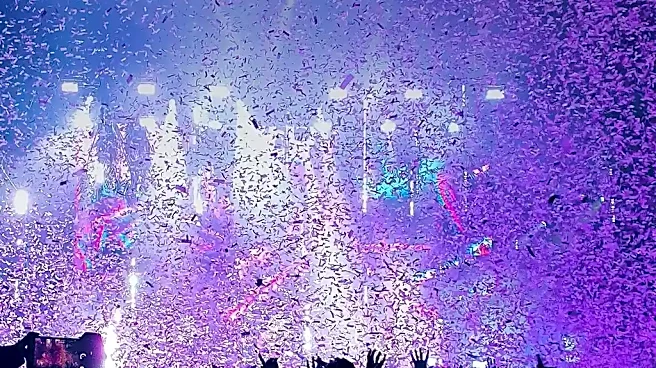
For a huge portion of attendees, the convention experience is defined by its massive panels and celebrity appearances. This year, the Main and Empire stages are dominated by Hollywood's biggest franchises.
Fans camp out for hours to catch a glimpse of the cast of "Dexter: Resurrection," get early details on the "Blade Runner 2099" series, or see the stars of "Percy Jackson and the Olympians" discuss the upcoming season. Marvel and DC generate enormous buzz with presentations on their upcoming Disney+ shows and film projects, often with major announcements teased to keep the energy high. This is the a high-energy, screen-first approach to fandom, where the con serves as a live trailer and a chance to breathe the same air as the actors who bring beloved characters to life. It's an experience built around major media events, from video games like "Final Fantasy VII Revelation" to horror prequels like "Crystal Lake."
The Enduring Heart of Artist Alley
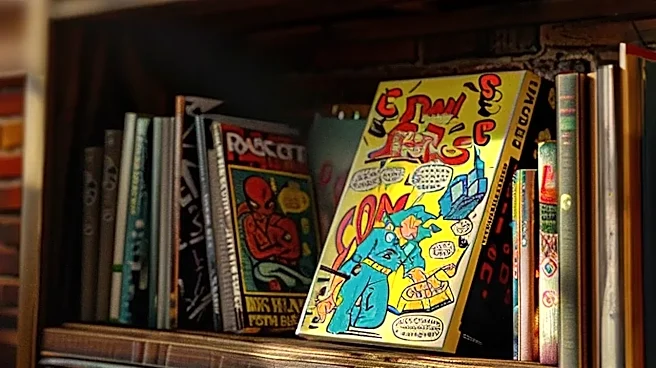
But walk away from the roar of the main stages and you’ll find what organizers call the convention's heartbeat: Artist Alley. Here, in a sprawling, densely packed section of the floor, the focus shifts entirely. This is the sanctuary for the comic-first fan. With over 500 creators, from industry legends like Wendy and Richard Pini ("ElfQuest") to rising stars, it’s a space dedicated to the foundational art form of the entire event. Fans line up not for a movie star, but for a portfolio review, a signed trade paperback, or a commissioned sketch from an artist they've followed for years. Panels here aren't about streaming series, but about the craft of sequential art, with creators like Brian K. Vaughan and Jim Lee discussing their work. ReedPop Event Director Chris D’Lando has stressed the importance of this, stating, "It's really important to me that we are still a comic convention."
The Show Floor: A Great Collider
The main show floor is where these two distinct fan cultures physically merge. It's a chaotic, vibrant marketplace where a fan looking for a rare back-issue comic from a small vendor might bump into another attendee coming from an immersive experience at Nickelodeon's "Fun-ergy Factory." Massive booths for Marvel and DC serve both audiences simultaneously, promoting their next blockbuster film while also hosting comic writer signings. Immersive activations for shows like "Avatar: Seven Havens" or video games sit alongside publisher booths from Skybound and Image Comics. This floor plan isn't an accident; it’s a strategic decision to create a single, unified pop culture ecosystem where commerce and passion for vastly different media exist side-by-side, encouraging crossover and discovery.
Cosplay as the Common Language
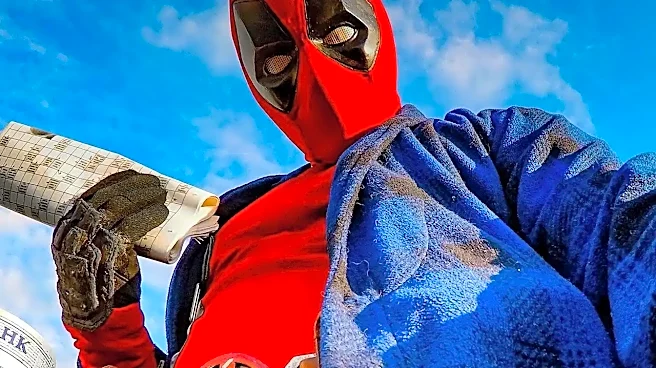
If there's one element that truly unifies the entire event, it's cosplay. The shared passion for craftsmanship and character transcends the source material's medium. A cosplayer in an elaborate, screen-accurate costume from the latest Marvel show will excitedly pose for a photo with someone dressed as a deep-cut character from an indie comic. The hallways of the Javits Center become a living testament to the bridge between worlds. Whether a fan's entry point was a blockbuster movie, a decades-old comic book, a hit anime, or a new video game, cosplay provides a common ground for expression and appreciation. It’s the most visible proof that, despite the different entry points, everyone is there to celebrate the characters and stories they love.