


The Effortless Power of the Drape
Tying a scarf can sometimes feel bulky or overly fussy, creating a constricted focal point. Simply draping a scarf, however, offers a sense of relaxed elegance. It directs attention upward toward your face and creates long, vertical lines that can visually
elongate your silhouette, making you appear taller and leaner. This simple styling choice swaps fussiness for flow, allowing the scarf to become a complementary element of your outfit rather than its centerpiece. An untied scarf hanging loosely over a jacket or sweater suggests confidence and an unstudied approach to style that feels modern and chic.
Fabric and Weight Are Everything
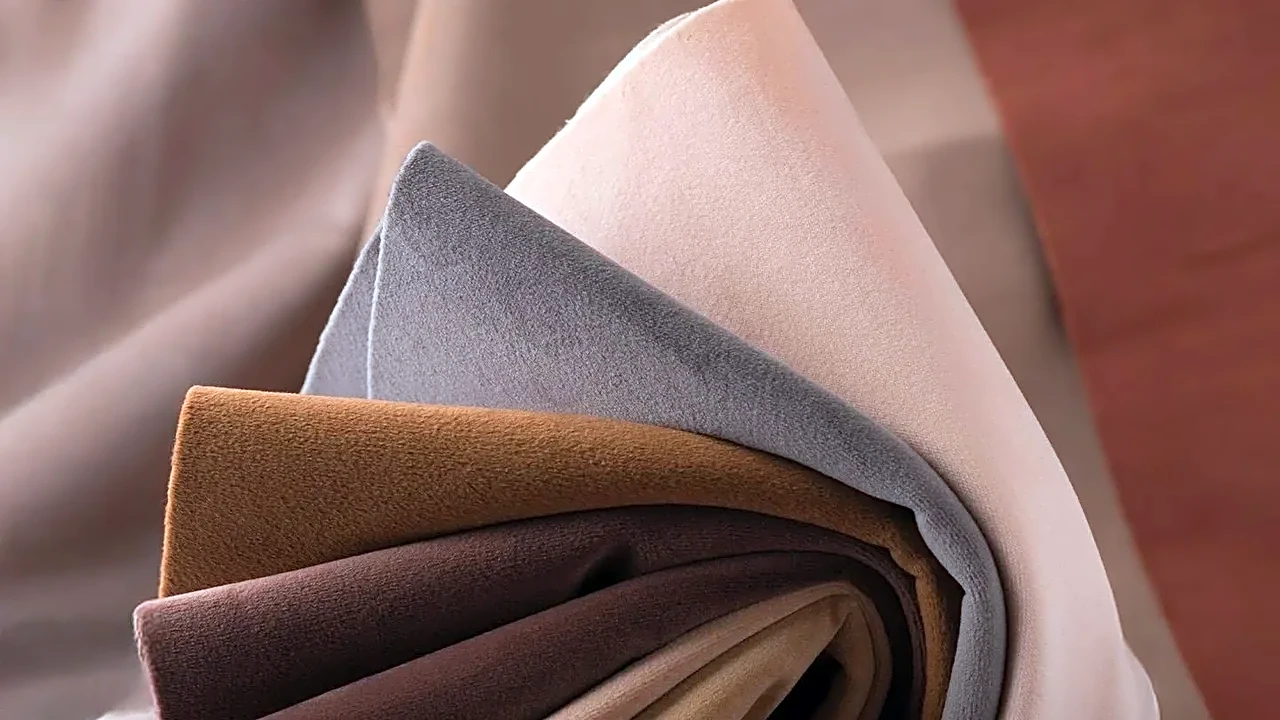
Not all scarves are created equal when it comes to the art of the drape. The secret lies in the material's weight and texture. Lightweight fabrics like silk, chiffon, or linen are perfect for a simple drape in warmer weather, as they move beautifully without adding bulk. For cooler temperatures, look for materials that have some substance but still drape well, such as merino wool, cashmere blends, or pashminas. These fabrics have enough weight to hang properly without constant adjustment. Stiff cottons or thick, chunky acrylic knits can look awkward and unyielding when left untied, making them better candidates for traditional knots and loops.
Technique 1: The Simple Drape
This is the purest form of the untied look and the easiest to master. Simply hang the scarf around the back of your neck, allowing both ends to fall evenly down the front of your body. This technique works exceptionally well when layered under the collar of a blazer, trench coat, or denim jacket. The lapels of the jacket help frame the scarf and hold it in place, creating a sleek, integrated look. The Simple Drape is perfect for showcasing a scarf with a beautiful pattern or luxurious texture, as the full length of the fabric is on display.
Technique 2: The Shoulder Toss
For a touch more intentionality that still feels completely effortless, try the shoulder toss. Start with the Simple Drape, then casually toss one end of the scarf over the opposite shoulder. The key is to make it look nonchalant, as if you just threw it on while heading out the door. This asymmetrical styling creates visual interest and works well with longer scarves that have enough length to stay put. It’s a classic, sophisticated look that provides a bit more security than a simple drape while maintaining that coveted untied aesthetic.
Taming the Blanket Scarf
Blanket scarves present a unique challenge due to their sheer volume. Tying them can result in a bundle of fabric that overwhelms your frame. Instead of a knot, try draping it. You can fold it into a large triangle and wear it like a shawl, letting the point hang down your back. Another option is to fold it lengthwise into a more manageable rectangle and drape it, which reduces bulk while still providing warmth and coverage. For extra coziness without a knot, you can wrap it once around your neck and let the ends hang down. This contains the volume while still feeling loose and comfortable.
When a Knot Is Still Your Best Bet
While the untied look is incredibly chic, there are times when a knot is the better choice. On very windy or active days, a knot provides necessary security. Delicate, slippery fabrics like pure silk often require a knot, like a French or Ascot knot, to keep them from sliding off. A knot can also serve a specific stylistic purpose, such as creating a polished, preppy look with a neckerchief or adding a defined pop of color right at the neckline. The goal isn't to abandon knots entirely, but to recognize that draping is a powerful and often superior styling tool in your accessory arsenal.