









From Flaw to Feature
Historically, a patch or a darn was a sign of economic hardship, something to be concealed so clothing could appear new. The goal of mending was invisibility. Today, a counter-cultural movement known as 'visible mending' is flipping that idea on its head.
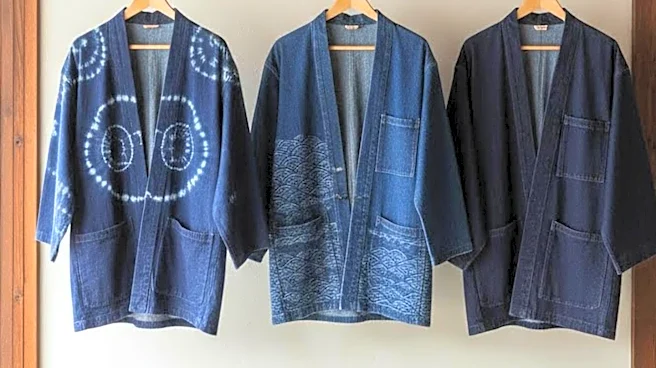
Instead of hiding a repair, practitioners use contrasting thread, decorative patches, and artistic stitching to deliberately highlight the area. The mend isn’t just functional; it’s an aesthetic and philosophical choice. It turns a point of wear into a point of interest, transforming a garment's story of damage into a story of care and creativity. This approach has roots in traditions like the Japanese arts of 'sashiko' and 'boro,' where functional stitching evolved into beautiful, geometric patterns used to reinforce and repair clothing. By making the mend a focal point, the wearer makes a quiet but powerful statement: this garment is not disposable.
A Stand Against 'New'
The rise of visible mending is a direct response to the psychological and environmental consequences of fast fashion. The modern fashion industry thrives on a cycle of rapid production and induced demand, where consumers are encouraged to discard items after only a handful of wears. This model is built on the 'cheap dopamine' of novelty, where the satisfaction comes from the purchase itself rather than the longevity of the product. Wearing a visibly repaired garment is an act of resistance against this throwaway culture. It challenges the core belief that value lies only in the new and flawless. Instead, it proposes a different definition of value—one rooted in durability, personal history, and responsible stewardship. Extending the life of a garment by just nine months can reduce its carbon, water, and waste footprints by up to 30 percent. By choosing to repair, individuals actively slow down this cycle of consumption and waste, demonstrating that clothes can and should be cherished for years, not weeks.
Wearing Your Values
A colorful patch on a denim jacket or an intricate web of stitches on a sweater elbow does more than just fix a hole; it communicates a set of values. It signals an awareness of the fashion industry's staggering environmental impact, where an estimated 92 million tons of textile waste are generated annually. It shows an appreciation for craftsmanship and the resources—water, energy, labor—embedded in every piece of clothing. This act turns a personal item into a public conversation starter. It can foster a deeper connection to our belongings, transforming them from mass-produced objects into unique canvases for personal expression. In a world of uniform trends, a mended garment is distinctly individual. The repair tells a story of where that garment has been and the choice its owner made to give it a future. It's a way of wearing your ethics on your sleeve, quite literally.
Beyond the Individual Stitch
While a single mended garment might seem like a small gesture, the collective impact can be significant. The growing popularity of visible mending on social media and in local communities is fostering a cultural shift. Repair cafes and workshops are emerging, creating spaces for people to learn skills and connect over a shared interest in sustainability. As more people embrace repair, it normalizes the idea that imperfections are not failures but opportunities. This shift can influence brands to design for longevity and offer repair services, building customer loyalty through quality and care rather than constant novelty. By celebrating the patched, stitched, and restored, we collectively challenge the economic model that equates value with disposability. The simple, visible stitch becomes part of a larger movement, rewriting our relationship with the things we wear and pushing the fashion industry toward a more sustainable and meaningful future.