



From Corsets to newfound Confidence
To understand the flapper, you have to picture what came before: the Victorian and Edwardian eras. Women’s clothing was engineered for restriction. Think floor-length gowns, layers of heavy fabric, and—most importantly—the corset, a device that physically
cinched the waist and enforced a rigid posture. This fashion mirrored a woman's place in society: constricted, domestic, and ornamental. The flapper silhouette was a dramatic act of rebellion against this. The loose, drop-waist dresses didn't just allow for movement; they rejected the idealized hourglass figure altogether. The popular style became what was described as "waistless, bustless, and hipless," favoring a boyish, androgynous frame that was a world away from the Gibson Girl ideal of the previous generation. It was a visual declaration of freedom.
The Power of a Paycheck and a Ballot
This sartorial revolution wasn't born in a vacuum. It was fueled by two of the most powerful forces a person can have: political power and economic independence. The passage of the 19th Amendment in 1920, granting many women the right to vote, was a monumental shift. It signaled a change in women's public roles and expectations. Simultaneously, World War I had pulled millions of women into the workforce to fill jobs left by men. For the first time, large numbers of young, single women had their own disposable income. This new economic freedom, combined with rising post-war prosperity, created a powerful consumer group. They could buy their own ready-to-wear dresses, cosmetics, and accessories, turning fashion into a form of personal expression rather than a symbol of family status.
A Revolution on Wheels and the Dance Floor
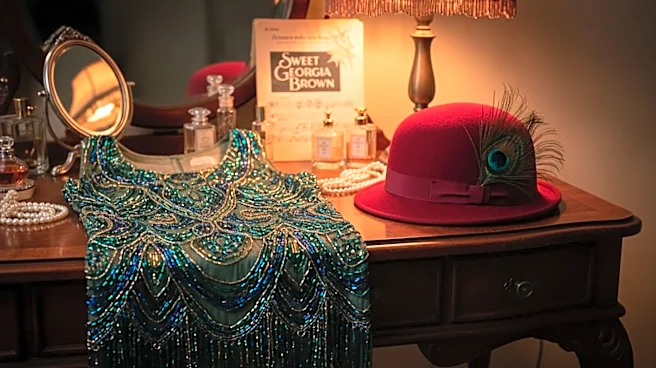
The 1920s also roared with new technology, and few things changed American life more than the affordable automobile. Cars gave young people unprecedented freedom, allowing them to escape the watchful eyes of their parents and socialize in new ways. This mobility demanded more practical clothing. You simply couldn't operate a vehicle while tangled in a floor-length skirt. At the same time, a new cultural force was taking over the speakeasies and clubs that flourished during Prohibition: Jazz. Wild, energetic dances like the Charleston were impossible in a corset and restrictive gown. Hemlines rose, and fabrics became lighter to allow for the freedom of movement the music demanded. The iconic beads and fringe on flapper dresses weren't just decorative; they accentuated the very movements that older generations found so scandalous.
Mass Production Meets Modern Style
Finally, the flapper look went mainstream because, for the first time, it could. Advances in manufacturing made ready-to-wear clothing more accessible and affordable than ever. The development of new synthetic fabrics like rayon, known as "artificial silk," brought a sense of luxury to the masses. The simple, straight-lined construction of flapper dresses also meant they were easier to mass-produce and for women to sew at home, leading to a "democratization of fashion." A young woman in a small town could, with a sewing pattern and some affordable fabric, emulate the styles she saw in magazines and movies. This widespread accessibility is what transformed the flapper from an urban curiosity into a national phenomenon, defining the look of the decade for women across class lines.