






The Strategic Art of Layering
In colder climates, the shift from winter to spring isn't a gentle handoff; it's a daily tug-of-war. The key to winning is mastering the art of layering, which allows you to adapt to temperature swings. But this isn't just about piling on clothes. It’s
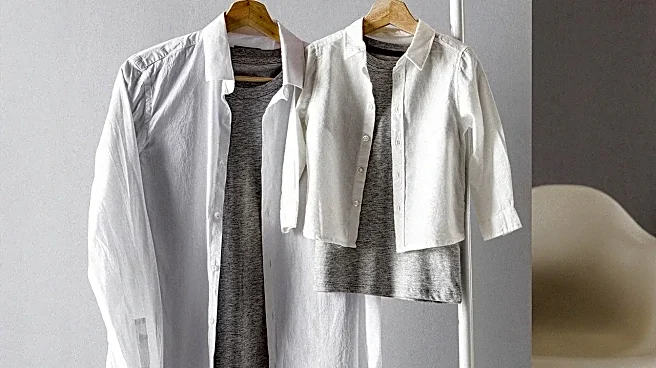
a litmus test for your closet. The pieces that work are the ones you can comfortably add or remove. A classic system involves three parts: a moisture-wicking base layer (like a long-sleeved tee), an insulating mid-layer (think a fleece or thin sweater), and a weather-resistant outer shell. The goal is to shed layers as the day warms up without sacrificing your entire look. This process quickly reveals which items are truly versatile and which are just taking up space.
Your Outerwear Does the Heavy Lifting
Your choice of jacket is the single most important decision for a transitional outfit. Heavy winter parkas become too cumbersome, so this is where lighter, more strategic outerwear shines. The timeless trench coat is a champion of this season, offering protection from wind and light rain without the bulk of a winter coat. Lightweight puffer jackets, denim jackets, and utility or 'barn' jackets in neutral tones like olive and khaki are also excellent options. These pieces provide necessary warmth for a chilly start but are easy to carry or tie around your waist when the sun comes out. A quality transitional jacket proves its worth by bridging the gap between seasons, making it a cornerstone of a functional wardrobe.
Fabric Is Your Secret Weapon
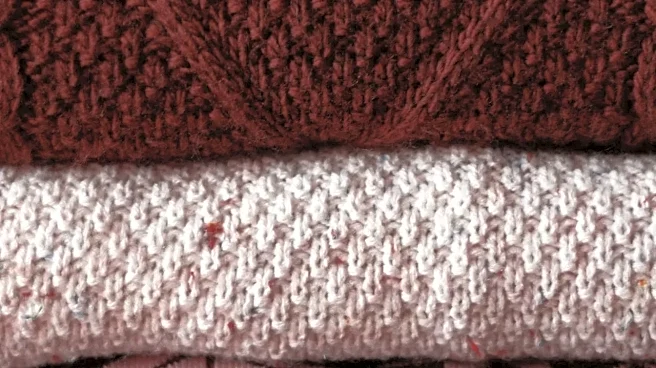
The right fabrics make layering possible without feeling like you're wearing your entire closet. As you move toward spring, start swapping out heavy, chunky wools for more adaptable materials. Lightweight knits in merino wool, cashmere, or cotton blends provide warmth without the weight. Denim is a year-round staple that works perfectly in this period, especially in straight-leg or wide-leg styles that can be worn with ankle boots or sneakers. It’s also a good time to reintroduce lighter materials like cotton poplin or even silk blouses, which can be comfortably worn under a cardigan or blazer. Focusing on a mix of textures—a knit sweater with a silk skirt, for example—adds visual interest while keeping the outfit practical.
Let Your Accessories and Shoes Bridge the Gap
Accessories are the unsung heroes of transitional dressing. A wool scarf or beanie can make a world of difference on a 35-degree morning and can be easily stashed in a bag by noon. Footwear is equally critical. It often feels too soon for open-toed shoes but too warm for heavy, insulated winter boots. This is the time for ankle boots, loafers, and classic sneakers to shine. They pair just as well with jeans as they do with a midi dress or skirt, which you can wear with tights on colder days and without as the weather improves. These adaptable shoe styles are the glue that holds a transitional look together.
From Transition to Timeless Investment
The pieces that get you through the winter-to-spring transition are the most valuable players in your closet. They are, by definition, versatile, adaptable, and functional. By paying attention to what you repeatedly reach for during this tricky season—the perfect trench, the non-bulky sweater, the go-to ankle boots—you identify the blueprint for a wardrobe that truly works. This period forces you to think like a stylist, building outfits as a system rather than collecting isolated items. Learning to master transitional dressing doesn't just solve a temporary problem; it trains you to shop smarter and build a timeless, functional collection of clothes you’ll love to wear year-round.