




Redefining 'Loud'
For years, maximalism in menswear meant one thing: noise. It was the interlocking Gs of a Gucci belt, the bold check of a Burberry scarf, or the unmissable graphics of a Supreme hoodie. It was a visual shout, an easily identifiable signal of brand allegiance
and expense. The current trend toward 'logo-lite' or 'stealth wealth' fashion seems like a direct rejection of that. But maximalism isn’t dead; it has just learned to speak a different language. The new maximalism isn't about what you see at a glance, but what you feel and perceive up close. It’s an abundance of texture, an exaggeration of form, and a complexity of construction. Instead of shouting, it radiates a powerful presence. The 'flex' has moved from the logo on the chest to the very substance of the garment itself.
The Overload of Texture
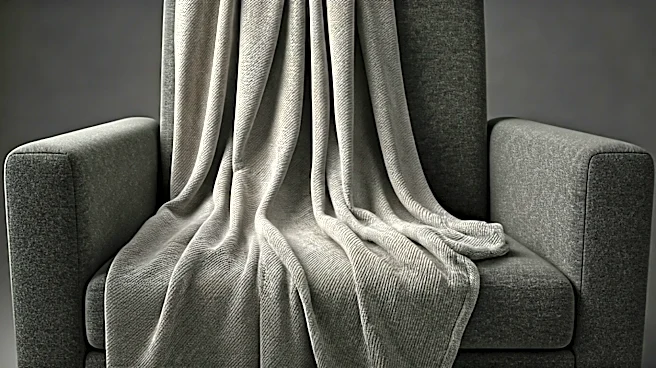
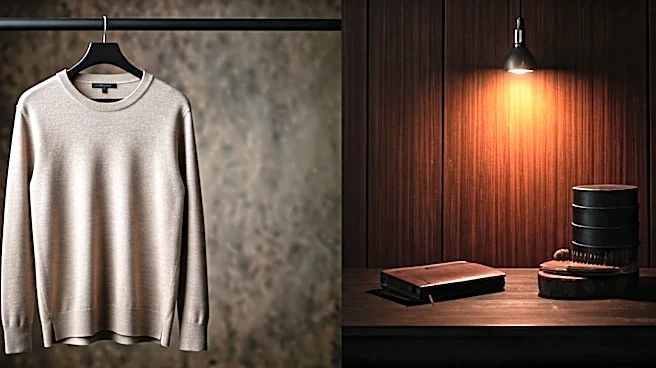
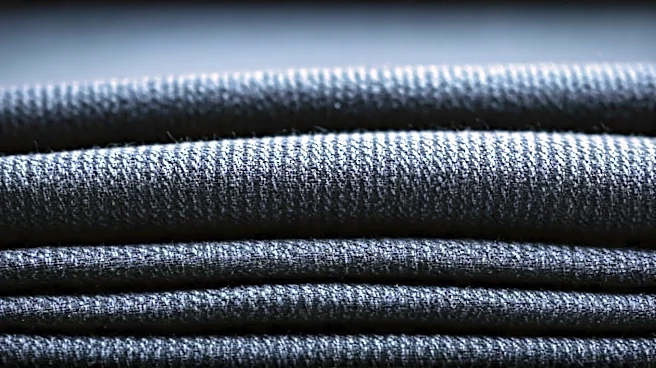
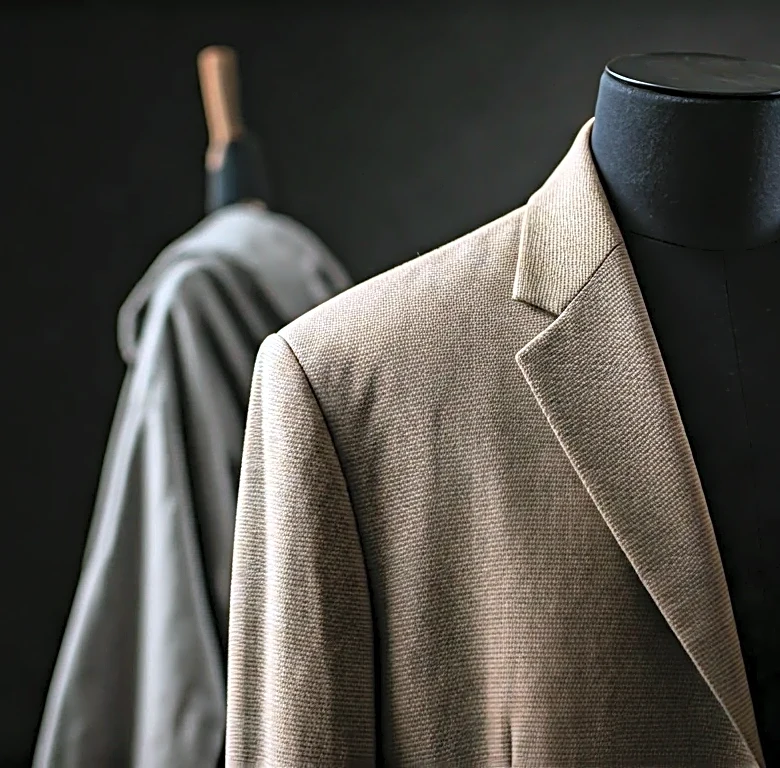
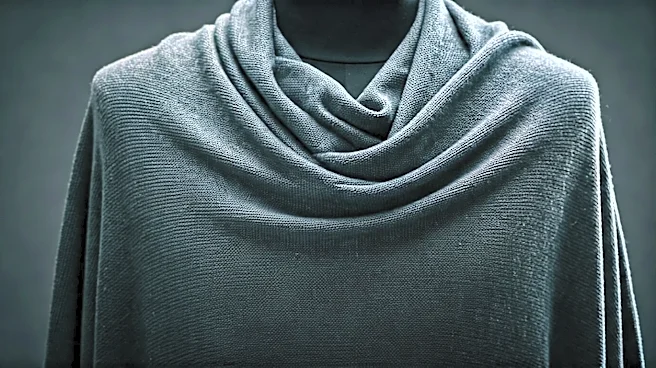
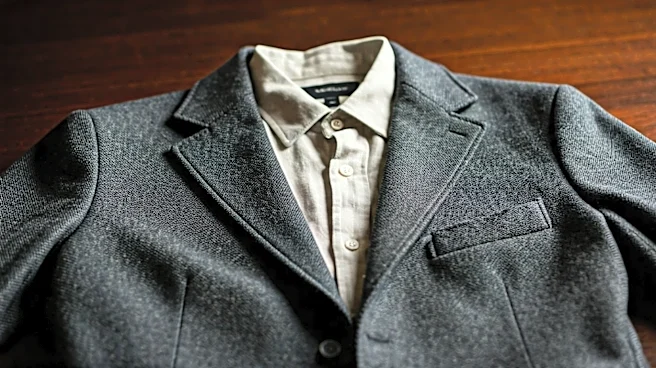
Close your eyes and run your hand over a minimalist garment. You'll likely feel a smooth, uniform surface—a crisp cotton poplin or a fine-gauge merino wool. Now, do the same with one of today’s logo-lite statement pieces. You'll feel something entirely different: the deep, nubby channels of a chunky cashmere knit, the irregular fuzz of a brushed mohair sweater, the substantial weight of a heavy wool flannel, or the rich pile of a shearling collar. This is sensory maximalism. Brands like Zegna, The Row, and Brunello Cucinelli are masters of this, creating pieces that are visually simple—a cream sweater, a gray coat—but texturally complex. A jacket made from a crinkled, technical fabric or a pair of trousers in a slubby, raw silk doesn't need a logo. Its intricate surface is the statement, providing a richness that feels anything but minimal.
The Power of the Silhouette
Minimalism has traditionally favored a clean, sharp, and economical silhouette. Think of the classic slim-fit suit or the perfectly tailored t-shirt. It’s about precision and restraint. The new logo-lite maximalism throws that rulebook out the window. It finds its voice in volume and shape. We’re seeing a surge in dramatically oversized topcoats that envelop the wearer, trousers so wide they pool around the ankles, and sweaters with dropped shoulders and elongated sleeves. These are not sloppy, ill-fitting clothes. They are intentionally and masterfully voluminous. A designer who cuts a coat with that much fabric is making a declaration of confidence and luxury. The garment physically takes up more space, commanding attention through its form alone. This architectural approach to clothing creates a powerful, almost sculptural presence that feels far more impactful than a simple logo ever could.
Layering as an Act of More
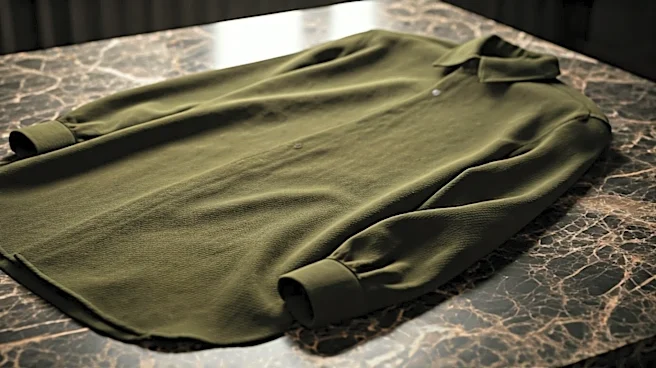
A single, well-chosen minimalist piece can define a look. But the logo-lite maximalist approach is often about the sum of its parts. It’s in the artful, almost decadent layering of multiple, unassuming items. Picture it: a soft, long-sleeved tee under a slightly heavier knit polo, which is then worn under a boxy, unbuttoned chore coat, all in complementary neutral tones. No single item screams for attention, but the combination creates a visual feast of textures, lines, and depths. Each layer adds a new dimension, contributing to a look that is dense, considered, and undeniably rich. This isn't just about staying warm; it’s a stylistic choice that communicates a deep understanding of clothing. It suggests a wardrobe so full of high-quality, logo-free staples that you can afford to pile them on. It's an expression of abundance without a single brand name in sight.