








First, Let’s Define NFL Overtime
In the NFL, “overtime” is a system designed to break a tie at the end of regulation, but it's fundamentally about the next score. Think of it as a bonus period with a sudden-death element. A coin toss determines who gets the ball first, and from there,
the rules diverge based on whether it’s the regular season or the playoffs. In the regular season, the period is 10 minutes long. If the first team with the ball scores a touchdown, they win, and the game is over. If they kick a field goal, the other team gets a chance to possess the ball. If that second team scores a touchdown, they win. If they kick a field goal to tie, the game becomes true sudden death—the next score of any kind wins. If the clock runs out and the score is still tied, the game ends in a tie. Playoff overtime is where the stakes and rules intensify. It's played in 15-minute periods until there's a winner. Crucially, after a 2022 rule change, both teams are guaranteed at least one possession, regardless of what the first team does. If Team A scores a touchdown, Team B still gets a chance to match it. Only after both teams have had the ball (or the second team turns it over) can the game end on the next score.
So, What is “Extra Time”?
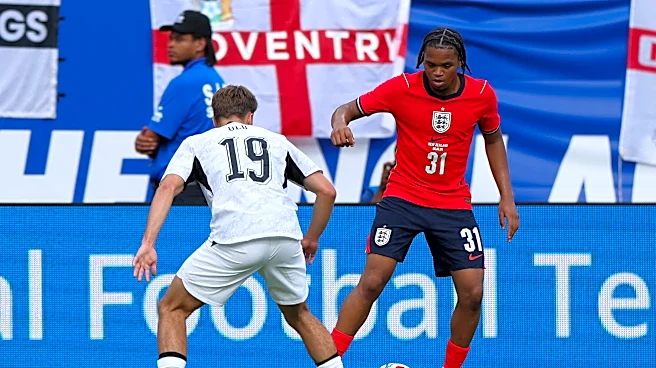
While you might hear a commentator use the phrase “extra time” colloquially, in the world of sports, it has a very specific meaning that comes from soccer. “Extra time” is not about the next score; it’s about adding a fixed, predetermined amount of additional playing time to decide a winner. In a knockout soccer match (like in the World Cup), if the game is tied after 90 minutes, it goes to extra time. This consists of two full, 15-minute halves. The full 30 minutes are played out, regardless of how many goals are scored. There is no “golden goal” or sudden death anymore in major competitions. The team with the lead at the end of the 30 minutes wins. If it's still tied, the game moves to a penalty shootout. The key concept is that both teams are guaranteed a set block of time to try and win the game on its merits, not just by landing one decisive blow.
The Key Difference: Clock vs. Score
This is the core distinction every fan should know. NFL overtime is fundamentally *score-dependent*. The game can end at any moment with a single play, creating immense tension from the very first snap. The clock is a factor, especially in the regular season, but the primary focus is on getting that game-ending score. Conversely, soccer's extra time is *clock-dependent*. The objective is to outscore your opponent over a set duration. The game cannot end after two minutes just because one team scored. This changes the strategy entirely. Teams aren't just playing for one shot; they're managing a 30-minute mini-game, complete with tactics, substitutions, and changes in momentum. The pressure is less about the sudden shock of a loss and more about the grueling endurance required to prevail over the added period.
Why the NFL's Rules Keep Evolving
The NFL has been slowly inching away from pure sudden-death because of its perceived unfairness, especially when a coin toss plays such a large role. The infamous 2019 AFC Championship, where the Chiefs never touched the ball in overtime against the Patriots, and the 2022 AFC Divisional thriller where the Chiefs beat the Bills in a similar fashion, highlighted this issue. Those games felt anticlimactic to many, as a red-hot offense was left helpless on the sideline. The subsequent rule change for the playoffs, guaranteeing both teams a possession, was a direct response. It was the league's attempt to inject a little more of the “extra time” philosophy—ensuring a fairer contest—into its score-focused overtime system. This hybrid model tries to balance the electric thrill of a walk-off touchdown with the sporting fairness of giving both sides a chance to fight back.