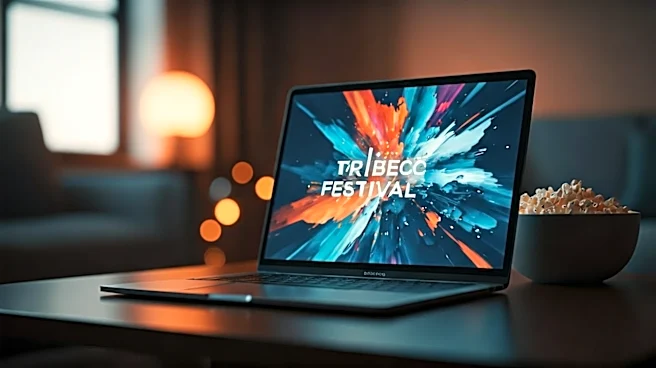

Understand the 'Tribeca at Home' Platform
First things first: the magic happens on a platform officially called 'Tribeca at Home.' Think of it as a dedicated streaming service that only exists for a limited time during and immediately after the in-person
festival. This isn't just a random collection of movies; it's a curated selection of official festival entries, including feature films, documentaries, shorts, and sometimes even exclusive talks or immersive experiences. The key difference from a service like Netflix is the sense of occasion. These films are brand new, many are making their world premieres, and you're among the first audiences to see them. Access is typically geo-blocked to the U.S., so make sure you're stateside before you try to buy a pass.
Choose Your Virtual Pass Wisely
Tribeca typically offers a few different ways to watch. The most comprehensive option is usually the 'Festival Pass,' which grants access to the entire 'at Home' library for a flat fee. This is the best value if you plan on watching more than a handful of films. For those with more specific tastes or a tighter schedule, the festival has previously offered smaller curated packages or 'awards passes' that give you access to the winning films after they're announced. Unlike attending in person, where individual tickets can sell out in a flash, the virtual pass is your all-access key. It’s the simplest way for a beginner to dive in without worrying about individual showtimes or availability.
Master the Viewing Window
This is the most important rule for any at-home festival-goer: virtual screenings are not available forever. Each film has a specific 'viewing window.' Once you hit 'play' on a movie, a countdown begins—usually, you have 48 or 72 hours to finish it. Furthermore, the entire film library is only available for a set period, often a week or two that coincides with the end of the physical festival. Don’t buy a pass thinking you can binge everything a month later. Check the dates for the 'Tribeca at Home' program, plan your schedule, and prioritize your must-see list. This time-sensitive nature is part of what makes it feel like a real event rather than just another streaming queue.
Curate Your Watchlist Like a Pro
The sheer volume of films can be overwhelming. Don't just scroll aimlessly. Use the festival's official guide and filters. You can sort by genre (documentary, narrative, thriller), topic (social justice, LGBTQ+, music), or special programs. Pay close attention to the shorts programs. They are the heart and soul of many festivals and a fantastic way to discover emerging filmmakers. Another pro tip: look for the 'indie episodic' or TV pilot showcases. You could be seeing the next great television series before it ever gets picked up. Read the synopses, watch the trailers, and make a list of about 10-15 films that genuinely excite you. You probably won't get to all of them, but having a plan prevents decision paralysis.
Create the Festival Vibe at Home
Watching from home doesn't have to mean slumping on the couch in your pajamas (though it certainly can). To make it feel special, create your own festival atmosphere. Schedule your 'screenings' like appointments. Turn off your phone and dim the lights. If you're watching a film with friends or family, plan a post-movie discussion. Many festival films are designed to provoke conversation. Follow the festival and the filmmakers on social media. Directors and actors often post behind-the-scenes content or engage with virtual attendees during the festival window. Engaging with the conversation online is the remote equivalent of chatting with strangers in a rush line, helping you feel connected to the bigger cinematic moment.