


First Off, What Is ‘Blocking’?
In filmmaking, “blocking” is the art of figuring out where actors will stand, move, and look in any given scene. It’s the physical choreography of a performance. On a simple level, it tells the audience where to focus their attention. Is a character delivering
a powerful monologue? The director will likely position them centrally. Is a secret being shared? The actors might be blocked to lean in close, forcing the audience to feel like they’re eavesdropping. It’s a fundamental tool that separates a static, boring scene from one that feels dynamic and alive. For a comedy, good blocking is even more critical; it’s the architecture that a joke is built upon. The timing of a character entering the frame or turning their head can be the difference between a laugh and a dead silence.
The Five-Headed Comedy Hydra
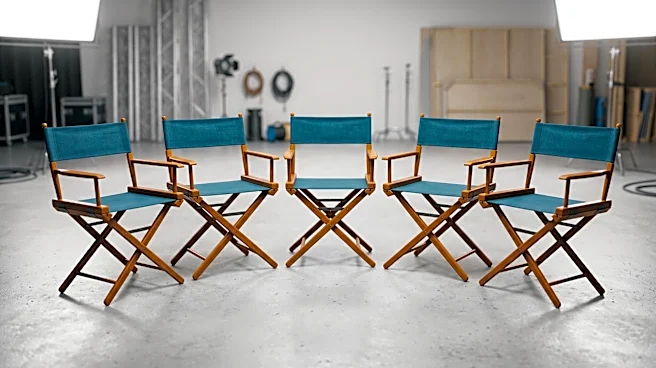
A standard movie scene often involves two or three key characters. The director can use simple shot-reverse-shot techniques to capture the dialogue and reactions. Now, imagine doing that with five leads. The Broken Lizard troupe—Jay Chandrasekhar (Thorny), Kevin Heffernan (Farva), Steve Lemme (Mac), Paul Soter (Foster), and Erik Stolhanske (Rabbit)—presents a unique directorial nightmare. When one person speaks, there are four other comedians whose reactions are potentially hilarious. Where does the camera go? A wide shot might capture everyone, but you lose the nuance of a subtle eye-roll or a suppressed smirk. A close-up on the speaker means you miss the four silent gags happening around them. This is the central challenge: making sure each of the five distinct comedic personalities remains “legible” to the audience without the scene devolving into a chaotic mess where jokes get lost in the shuffle.
Engineering the Gag
For Broken Lizard, the blocking challenge starts at the script phase. Because the five members write their movies together, they instinctively create scenes that play to their group dynamic. They aren't just writing lines; they're writing physical interactions. Think of the classic scenes from the first film: all five troopers crammed into a car pulling someone over, or the whole gang gathered in the station, relentlessly making fun of Rabbit. These scenes work because the humor is layered. You have the main dialogue, but then you have Mac’s quiet intensity, Foster’s attempts to be the voice of reason, and Farva’s scene-stealing obnoxiousness all happening simultaneously. Director Chandrasekhar, who directs the films he also co-writes and stars in, has the unenviable job of making sure that the on-page chemistry translates to the screen. This often means using longer takes, carefully arranging the actors in the frame to create depth, and knowing which secondary reaction is the most important one to catch.
The ‘Winter Soldiers’ Verdict
Now that "Super Troopers 3: Winter Soldiers" has been released, audiences can see how the team tackled this challenge once again. The film, which centers around Farva's wedding, naturally creates scenarios forcing the entire group into the same space for everything from family dinners to bachelor party shenanigans. To manage the chaos, the filmmakers often split the group into smaller, more manageable pairs or trios within a larger scene, allowing the camera to focus on specific interactions before pulling back to show the whole group. Other times, they use physical objects—like a car or a crowded bar—to naturally create layers and guide the viewer’s eye from one trooper to another. While reviews for the third installment have been mixed, the franchise's core strength remains the lived-in, chaotic camaraderie of its five leads. The ability to successfully block these scenes is a huge part of what makes that dynamic feel so effortlessly funny and real.