


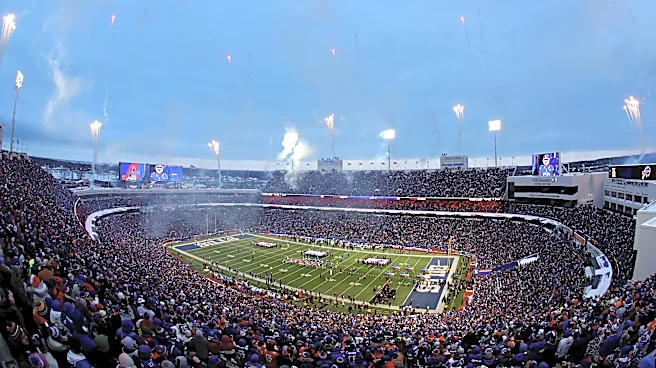


The Quiet Before the Storm
In the world of sports, chaos is the product. The clash of helmets, the roar of the crowd, the impossible speed of the game—it’s a sensory overload by design. But before all that noise comes a moment of near-total stillness. The playing of the national
anthem serves as a collective deep breath, a ceremonial pause that separates the outside world from the drama about to unfold. It’s a tradition that started organically, growing from patriotic displays during World War I to become a fixture of American sports. It’s the official signal that what comes next is no longer ordinary. The players, coaches, and thousands of fans in the stands momentarily suspend their allegiances to individual teams and connect as part of a larger, shared experience. This shared ritual transforms a simple game into a communal event, setting a tone of respect and anticipation.
A Window Into the Athlete's Soul
Want to know what a player is thinking before the biggest game of their life? Watch them during the anthem. This is one of the few moments where athletes are on full display, yet not in motion. They are stripped of their helmets and their game faces are still forming. Here, you can see the raw humanity of these larger-than-life figures. Look for the veteran with eyes squeezed shut, visualizing the plays ahead. See the rookie, eyes wide, taking in the scale of the moment. You might even see tears. NFL star Chris Jones is famously emotional during the anthem before big games, a testament to the immense pressure and pride felt in that moment. Before his Olympic gold medal-winning performance, golfer Scottie Scheffler was overcome with emotion on the podium as the anthem played, showing what it means to represent one's country. These are unguarded, unscripted moments of truth that reveal everything about the stakes of the game you’re about to watch.
When the Performance Becomes the Show
Sometimes, the anthem isn't just a prelude; it's an unforgettable performance that becomes part of sports history. The standard for this was set by Whitney Houston at Super Bowl XXV in 1991. With the nation ten days into the Gulf War, her soaring, powerful rendition electrified the stadium and the country, becoming a hit single and a benchmark for all future performers. Other times, the most powerful performances come from the fans themselves. After the Boston Marathon bombing in 2013, the anthem singer at the first Bruins game stepped back and let a packed arena, united in grief and defiance, sing as one powerful voice. These moments demonstrate the anthem’s unique power to channel collective emotion, whether it's patriotic fervor, communal sorrow, or defiant pride, creating a memory that can often eclipse the game itself.
A Moment of Meaning and Conversation
It's also true that the anthem can be a venue for powerful statements. The tradition of protest during the anthem, notably started by Colin Kaepernick to raise awareness of racial injustice, has sparked national conversations. Players kneeling or raising a fist are using this visible platform to express their views on issues facing the country. Regardless of one's personal stance on these protests, they underscore the anthem's significance. It is chosen as the moment for these expressions precisely because of its symbolic weight. Paying attention to who is participating, who is protesting, and the reactions that follow provides a real-time snapshot of the intersection of sports, culture, and society. To look away is to miss a crucial part of the modern athlete's story and the ongoing dialogue they are forcing.