




From the Court to the Concrete
It all started with function. In 1917, the Converse All-Star was born, a simple canvas and rubber shoe designed to help players grip the court. For decades, it was just that: a basketball shoe. But its simple design made it a blank canvas. By the 1970s
and 80s, it had been adopted by punks, skaters, and artists, showing that a sneaker could have a life off the court. Then, in 1985, everything changed. Nike, then an upstart running shoe company, signed a rookie named Michael Jordan and released the Air Jordan 1. The shoe's bold black-and-red colorway violated NBA uniform rules, and the league fined Jordan every time he wore them on the court. Nike happily paid. That rebellion turned a simple sneaker into a story of defiance and greatness. It wasn't just a shoe; it was an identity.
The Hip-Hop Endorsement
While Michael Jordan gave sneakers athletic credibility, the hip-hop movement gave them street credibility. In the 1980s, as hip-hop emerged from New York City, artists used fashion to craft their identity. In 1986, Run-DMC released their track “My Adidas,” a love letter to the Adidas Superstar. This wasn't a paid sponsorship; it was a genuine cultural endorsement that led to an unprecedented deal between a music group and a global sneaker brand. For the first time, you didn't have to be an athlete to be a sneaker icon. Artists like LL Cool J, and later Jay-Z and Pharrell Williams, turned sneakers into an essential part of the hip-hop uniform, cementing their status as symbols of cool and success.
The Runway Takes Notice
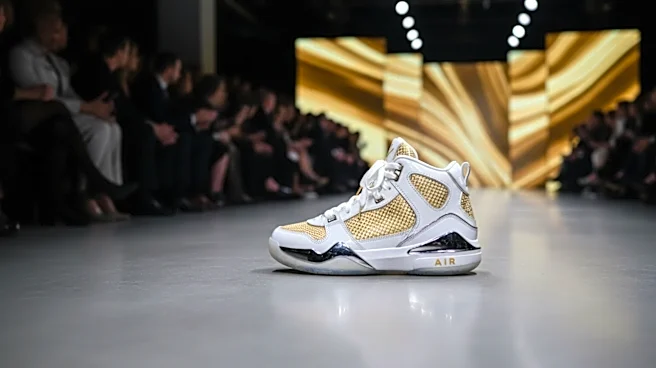
For a long time, high fashion viewed sneakers as the opposite of luxury: mass-produced, casual, and disposable. But as streetwear's influence grew, luxury brands couldn't ignore it. Gucci was one of the first to test the waters, releasing a branded tennis shoe in 1984. By the mid-90s, brands like Prada were debuting their own high-end sneakers. The real turning point came with collaborations. Partnerships like Adidas with Yohji Yamamoto (Y-3) and Jeremy Scott showed that a sneaker could be a piece of high-concept design. Designers realized sneakers were a gateway to a younger, more culturally-fluent audience that didn't play by the old rules of luxury. It was a way to sell their brand's story to a new generation.
The 'Air Dior' Moment
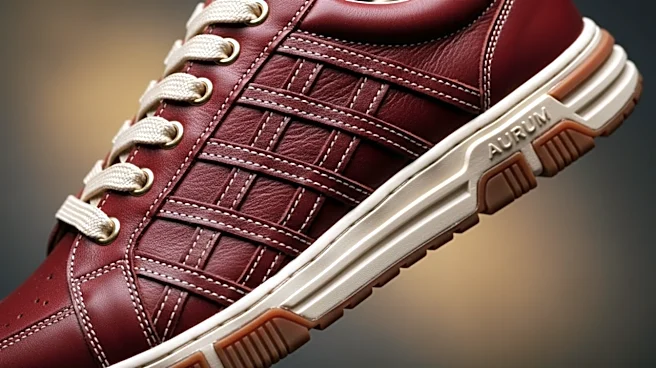
If there was one moment that solidified the sneaker's luxury status, it was the 2020 release of the Dior x Air Jordan 1. Here was the most iconic basketball shoe in history, remade in Italy with the finest calfskin leather and featuring Dior's signature oblique pattern on the Swoosh. With a retail price of $2,000 and an extremely limited run of just 8,500 pairs, it was the ultimate fusion of streetwear hype and Parisian luxury. Over five million people registered for a chance to buy one. This wasn't just a shoe anymore; it was an artifact. The collaboration proved that the cultural cachet of a sneaker like the Air Jordan 1 was now an asset as valuable as any exotic leather or heritage monogram a luxury house could possess.
Scarcity, Status, and the Billion-Dollar Resale Market
Today, the luxury of a sneaker isn't just defined by its price tag or the materials used. It’s defined by scarcity and story. Brands use limited drops and high-profile collaborations with artists like Travis Scott and Kanye West to create intense hype. This strategy fuels a massive secondary market on platforms like StockX and GOAT, where shoes are traded like stocks and their value can skyrocket based on demand. A shoe that sells for $200 can be worth over $1,400 on the resale market just days later. This ecosystem transforms the sneaker from a piece of footwear into a collectible asset, a new kind of luxury good for a generation that values cultural currency as much as, if not more than, traditional craftsmanship.