



The Architect of an Era
The mind behind the show's sartorial splendor was costume designer Janie Bryant. Her approach wasn't just to recreate the 1960s; it was to inhabit it. Bryant famously built each character's wardrobe as a reflection of their inner life, status, and emotional
journey. Joan Holloway’s jewel-toned sheath dresses hugged her hourglass figure, broadcasting confidence and authority in a male-dominated world. Betty Draper’s full-skirted, Grace Kelly-inspired frocks embodied the perfect, if brittle, suburban housewife ideal. Peggy Olson’s journey from naive secretary to trailblazing copywriter was mirrored in her clothes, which evolved from frumpy, girlish jumpers to sharper, more professional suits and bold patterns. This character-first philosophy made the fashion feel authentic and deeply personal, turning the cast into style icons.
The Thrill of the Hunt
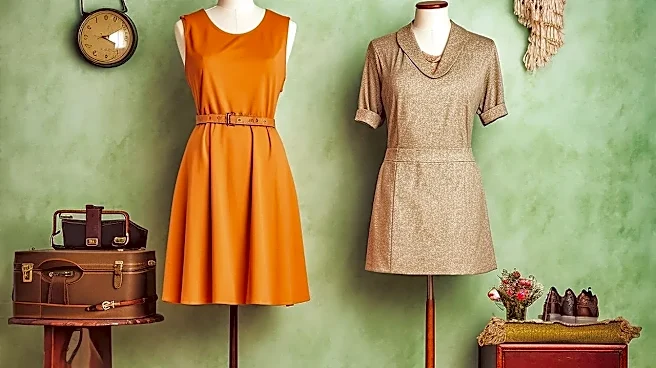
Crucially, Bryant didn't just sketch and sew. A significant portion of the show's wardrobe was sourced from the real world, pulled from the racks of vintage stores and costume rental houses across Los Angeles. Bryant and her team were treasure hunters, seeking out authentic period pieces that had survived the decades. This dedication to realism is what gave the show its unique texture. The fabrics, the cuts, even the subtle signs of wear told a story that newly manufactured clothing couldn't. This process involved not only finding pristine examples but also occasionally discovering a tattered but perfect piece that would be meticulously rebuilt from scratch. Even personal items from Bryant's own family, like her mother's wedding gown, made their way on screen, adding layers of genuine history to the fictional world. It sent a quiet but powerful message: these beautiful, stylish clothes weren't just fantasy; they were real, and you could potentially find them, too.
From Screen to Street Style
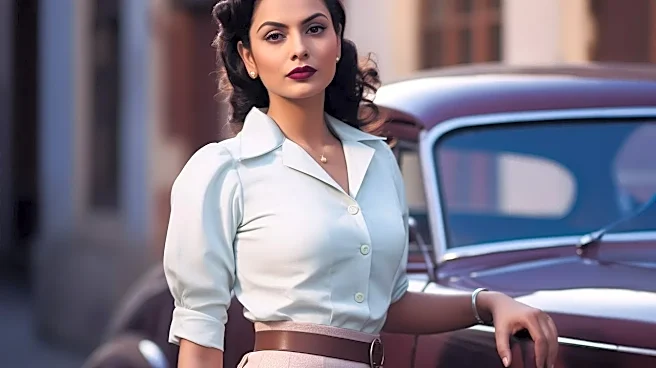
The public's response was immediate and immense. As the show’s popularity surged in the late 2000s, so did the demand for 1960s style. Retailers took notice. Banana Republic and Brooks Brothers launched Mad Men-inspired collections, bringing Don Draper's slim-lapel suits and Betty's polished silhouettes to the mainstream. But a more interesting phenomenon was happening at a grassroots level. Vintage shops, once the domain of niche collectors, saw a new wave of customers walk through their doors. People weren't just looking for a Halloween costume; they were looking for a 'Joan dress' or a sharp 'Don Draper' suit to wear in their daily lives. The show created a direct link between on-screen glamour and real-world shopping, making vintage not just accessible but highly desirable. Suddenly, the hunt for that perfect mid-century piece became a widespread cultural pastime.
Redefining Second-Hand
Before Mad Men, 'second-hand' often carried a stigma. The show helped dismantle that perception, reframing vintage clothing as curated, unique, and possessing a story. It taught a generation of consumers to appreciate the quality and durability of older garments. This shift in mindset was a quiet revolution. It laid the cultural groundwork for the explosive growth of the modern resale market, from high-end consignment sites to peer-to-peer apps like Depop and Poshmark. The idea that you could build a unique, stylish wardrobe from pre-owned items became mainstream. The show demonstrated that style wasn't just about what was new; it was about what was timeless. The appreciation for mid-century modern furniture and classic cocktails that also boomed during the show's run was part of the same cultural shift—a new respect for the aesthetics of the past.