





The Uniform of a Decade
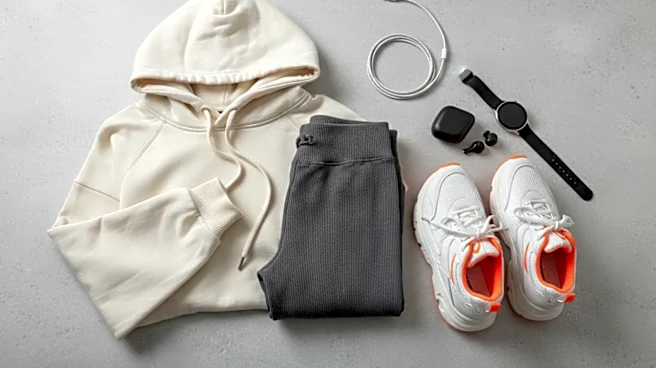
Cast your mind back to the mid-2010s. A specific uniform likely comes to mind: sleek leggings, a branded hoodie or sports bra, and a pair of pristine sneakers. This was the pinnacle of athleisure, a movement that blended athletic apparel with everyday
leisurewear. Driven by a growing cultural emphasis on health and wellness, and amplified by the visual world of social media, brands like Lululemon, Nike, and Adidas became the architects of a new way of dressing. Celebrities and influencers showcased their athleisure looks, transforming gym wear into a status symbol. What began as clothing for activity became the go-to outfit for life itself, blurring the lines between the gym, the street, and the coffee shop.
More Than Comfort: The Tech Takeover
While comfort was the most obvious appeal, the true, lasting innovation of athleisure was technological. The trend normalized the use of performance fabrics in everyday clothing. Materials engineered for athletes—moisture-wicking polyester, four-way stretch spandex, and breathable nylon—migrated from high-performance gear into the clothes we wore to run errands or sit at a desk. Before athleisure, cotton was king in casual wear. But companies like Under Armour had already begun to challenge this, marketing synthetic fabrics that kept you dry and comfortable during exertion. The 2010s took this concept mainstream. Suddenly, the expectation wasn't just for clothes to look good, but to do something: to stretch with you, to wick away sweat, to resist wrinkles. This focus on functionality became a quiet standard for all apparel.
The Pandemic and The Great Acceleration
If athleisure lit the fire, the global pandemic of the early 2020s was the gasoline. As millions transitioned to working from home, the last vestiges of formal dress codes crumbled. Comfort became the undisputed priority. While the broader apparel industry saw revenues decline, the activewear sector boomed. This period didn't necessarily invent a new style, but it cemented the principles of athleisure as the new baseline. The demand for clothing that was comfortable, versatile, and functional—equally appropriate for a Zoom call, a walk, or lounging on the couch—skyrocketed. It validated everything the athleisure trend had been building toward for a decade: a wardrobe built for the realities of modern, flexible life.
The Descendants: Gorpcore, Workleisure, and Quiet Luxury
Today, you can see the DNA of 2010s athleisure in nearly every major fashion trend. The fascination with technical fabrics and functionality directly spawned "gorpcore," a trend centered on hiking and outdoor gear like fleece vests and trail-running sneakers worn as fashion. The blending of comfort and office-appropriateness evolved into "workleisure," with tailored trousers and blazers now commonly made from stretch-infused, wrinkle-resistant performance materials. Even the recent move towards looser, more relaxed silhouettes is a reaction to years of skin-tight leggings. Ironically, the principles of athleisure also inform "quiet luxury." While the aesthetics differ, the emphasis on high-quality, functional, and versatile pieces—like a perfectly cut cashmere sweater paired with luxe joggers—is a direct evolution. The idea is to invest in pieces that perform and feel good, a core tenet borrowed straight from the athleisure playbook.