
More Than a Mixtape
The magic of nostalgia-themed festivals like When We Were Young and Lovers & Friends isn't just about hearing a beloved song. It's about tapping into what psychologists call music-evoked nostalgia, a potent force that can boost optimism and foster social
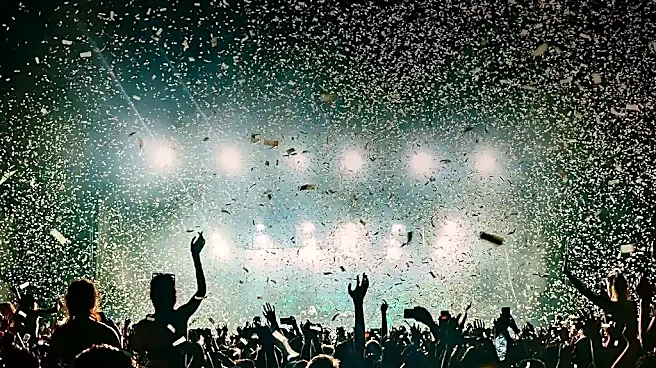
connection. When thousands of people sing along to a track that defined their youth, they aren't just remembering the music; they're remembering who they were when they first heard it. It’s a collective journey back in time. The music acts as a key, unlocking vivid autobiographical memories from adolescence and early adulthood—a period known as the “reminiscence bump,” where our most powerful memories are formed. This shared experience creates an immediate, powerful sense of community. You’re surrounded by people who get it, who share the same cultural shorthand. This feeling of belonging is a core part of the appeal, turning a simple concert into a communal validation of a generation's identity.
The Economics of Yesterday
Festival promoters like Live Nation and Goldenvoice have recognized that nostalgia is a bankable asset. While legacy festivals like Coachella have seen slower ticket sales, throwback events often sell out instantly, sometimes adding extra dates to meet demand. The target demographic—millennials and Gen Xers—often have more disposable income than younger audiences and are willing to pay for premium experiences that promise a return to their perceived glory days. In an era where the cost of touring is a significant challenge for many musicians, these festivals provide a financially viable anchor for artists to plan tours around. But this commodification of memory comes at a price for fans. Jamming dozens of acts into a single day means short sets, scheduling conflicts, and a feeling that the experience is rushed. Fans are often paying for a highlight reel, a fleeting taste of many different artists rather than an in-depth performance from any single one.
When Memory Meets Reality
The promise of a perfect trip down memory lane can clash with the harsh realities of a massive outdoor event. The inaugural When We Were Young festival faced skepticism and concern over its ambitious lineup, with some fans worrying it was too good to be true. Its first day was ultimately canceled due to high winds. Similarly, events like Lovers & Friends have drawn criticism for logistical failures, including dangerously long lines for water, poor sound quality, and general overcrowding that can make the experience more about survival than enjoyment. The idealized memory of seeing a favorite band is often replaced by the reality of expensive food, overwhelmed facilities, and the struggle to get a decent view. Some attendees leave feeling that the event was a cash grab, a manufactured experience that doesn't live up to the genuine emotions it purports to celebrate. Despite these issues, many still report having an amazing time, a testament to the sheer power of the music and the collective energy of the crowd.
A Comfort in Familiar Chords
Ultimately, the nostalgia loop is about more than just music or money. In a world of social and economic uncertainty, looking backward can provide a powerful sense of comfort and stability. Nostalgia offers a psychological refuge, a connection to a time that, in hindsight, feels simpler. Research suggests that nostalgic feelings can counteract loneliness and anxiety by reinforcing our sense of self-continuity—the feeling that we are still connected to the person we once were. These festivals are a physical manifestation of that desire. They are a place where it's okay to be old enough to remember the original artist but young enough to want to experience it all again. It's a testament to the fact that for many, the anthems of their youth never stopped being part of their personal soundtrack.