
The Myth of the Dead Water Cooler
It’s a popular take: streaming killed the monoculture. With thousands of shows dropping on dozens of platforms at all hours of the day, the idea of a shared, national viewing experience seems impossible. For decades, the fall broadcast season was a cultural
institution, a predictable calendar of premieres that set the nation’s conversational clock. That rhythm, born from the days when networks shut down for the summer, created a communal ramp-up to September. While it’s true that we’re no longer tethered to a handful of channels, the idea that we’ve stopped talking about TV simultaneously is a myth. The ritual hasn't disappeared; it has atomized and reassembled in new, digital forms. The desire to connect over a shared story is a powerful social glue, and networks, both broadcast and streaming, still use the fall season as a major marketing hook to create a sense of occasion.
The New Town Square Is in Your Pocket
The office water cooler has been replaced by the group chat, the X (formerly Twitter) feed, and the TikTok 'For You' page. Today, the conversation about a shocking plot twist or a character’s wild decision happens in real-time and continues for days. Social media platforms act as a global, digital living room where fans, critics, and even the show's stars can dissect every scene. Networks actively encourage this, promoting official hashtags and interactive polls to drive engagement. This digital buzz creates a feedback loop; online discussions can pique the interest of new viewers, creating a bandwagon effect that draws more people into the show. Far from killing the conversation, technology has amplified it, making it more immediate, more participatory, and often, more intense than a chat by the coffee machine ever was.
An 'Event' Is Still an Event
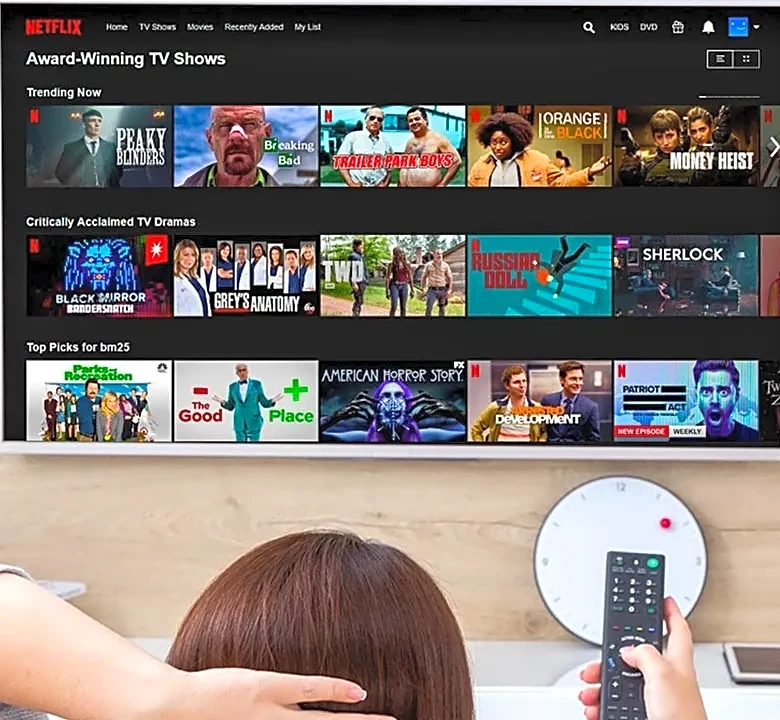
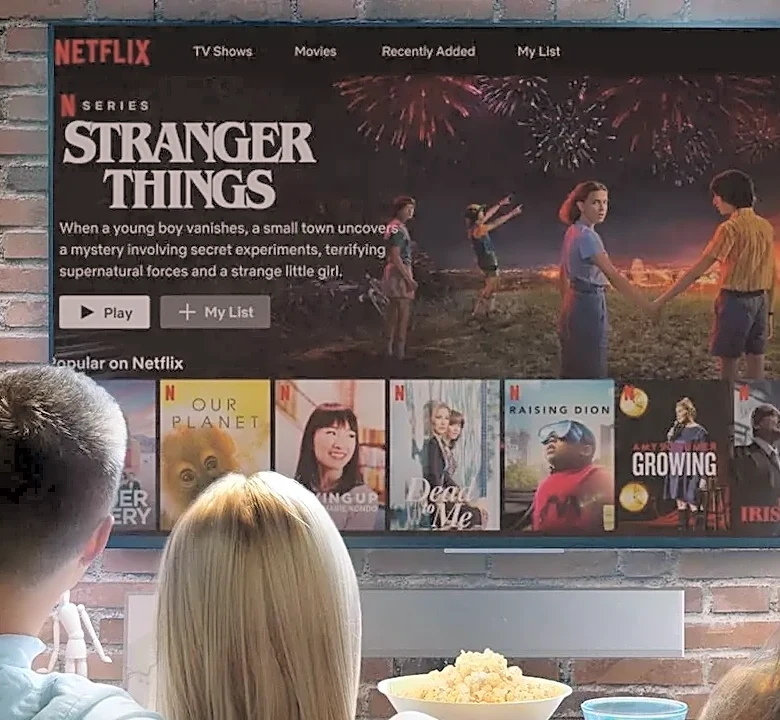
In a saturated market, the biggest challenge is commanding attention. This is where the fall premiere model, even in a modified form, still shows its strength. Streamers like Netflix, once known for dropping entire seasons at once, now experiment with weekly rollouts or split seasons for their biggest hits to sustain buzz. This strategy turns a premiere into a multi-week event, giving audiences a reason to tune in and talk about it over an extended period. Whether it’s a legacy broadcast network launching its flagship drama or a streaming giant debuting a fantasy epic, they all understand the power of a coordinated launch. It focuses marketing dollars, concentrates media attention, and, most importantly, tells the audience: “This is the show you’re supposed to be watching now.” This manufactured urgency is crucial for cutting through the noise.
What Makes a Show 'Talkable' in 2026?
Not every show can spark a national conversation. The ones that do often fall into a few key categories. Reality competition shows, with their weekly eliminations and real-life drama, are tailor-made for social media debate and fan voting. Genre shows—sprawling fantasy, intricate sci-fi, or mind-bending mysteries—build dedicated fanbases that thrive on theory-crafting and lore analysis between episodes. And, of course, there’s the high-stakes drama with shocking twists, season-ending cliffhangers, and morally gray characters that leave viewers arguing for days. These are the shows that fuel the modern water cooler, generating countless articles, podcasts, and video essays. They provide more than just passive entertainment; they give audiences a puzzle to solve or a side to choose, making participation in the conversation irresistible.