
You’ve put together an outfit that ticks all the boxes. The colors coordinate, the pieces fit well, and it’s perfectly appropriate for the occasion. Yet, you look in the mirror and feel… nothing. It’s
polished, but it’s flat and lifeless.
The Texture Check
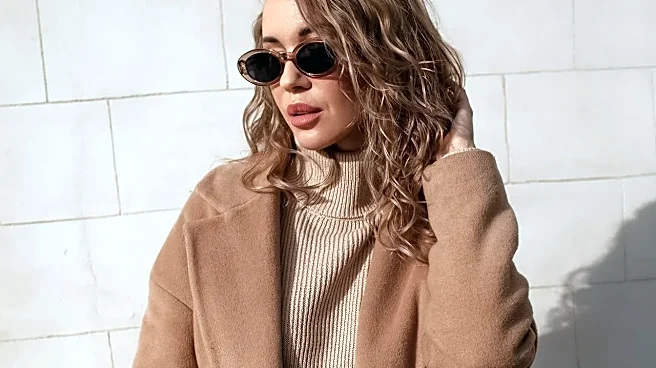
One of the fastest ways to add dimension to an outfit is by mixing textures. A look composed entirely of smooth, flat materials like basic cotton can feel one-dimensional. Stylists intentionally create contrast by pairing different surfaces. Think about the tactile quality of your clothes. Are you wearing a soft, chunky knit with sleek faux leather? A smooth silk camisole with rugged denim? This juxtaposition of hard and soft, or rough and smooth, creates visual interest that makes an outfit feel more expensive and thoughtfully assembled. Even a monochromatic outfit comes alive when it includes a variety of textures, like a cream-colored wool sweater paired with cream silk pants.
The Third-Piece Rule
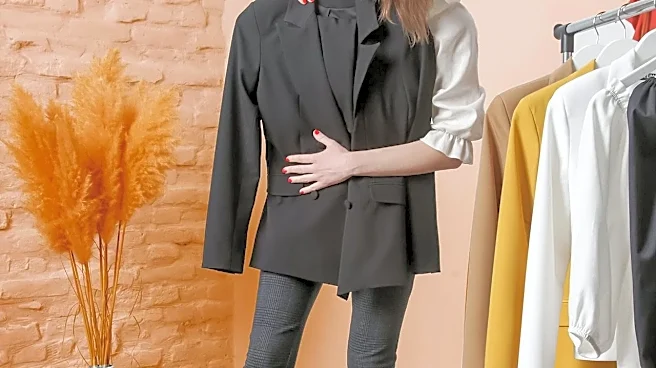
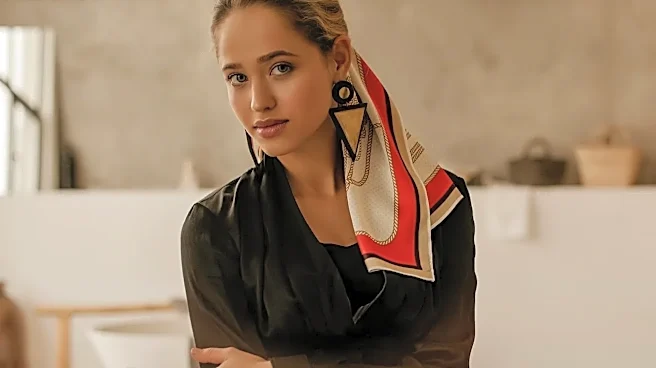
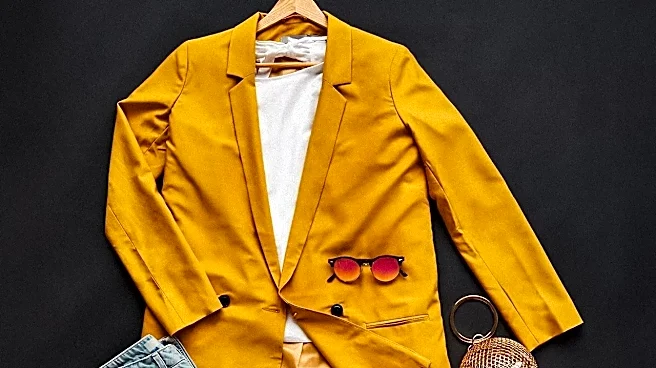
A top and bottom are clothes; adding a third piece makes it an outfit. This is a foundational rule for stylists. A simple T-shirt and jeans combination is a perfect base, but it often feels incomplete. The 'third piece' is the element that pulls it all together and signals intention. This could be a blazer, a cardigan, a vest, or even an open button-down shirt. In warmer weather, the third piece doesn't have to be a heavy layer. A statement belt, a silk scarf, a hat, or a prominent necklace can serve the same purpose, adding that crucial finishing touch without adding warmth.
The Proportion Play
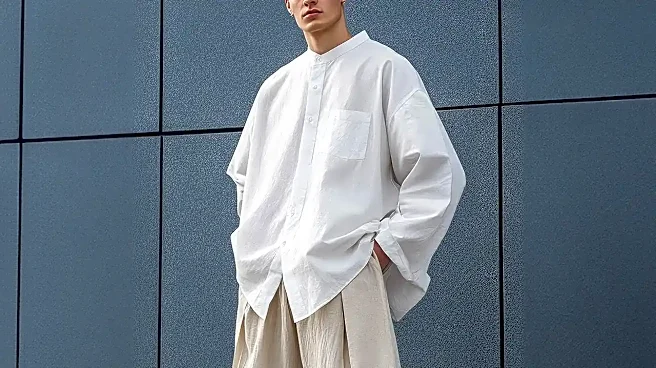
An outfit can feel lifeless if the proportions are too uniform. Playing with silhouettes is a key professional technique for creating a dynamic look. If you're wearing something slim-fitting on the bottom, like skinny jeans or a pencil skirt, try pairing it with something more voluminous on top, like an oversized sweater or a boxy top. Conversely, wide-leg trousers or a full skirt often look best with a more fitted top to maintain balance. This contrast in shapes guides the eye and prevents the overall look from feeling static. Small adjustments like a 'French tuck' (tucking a shirt just in the front) can also instantly alter your proportions and add a touch of effortless style.
The 'One Interesting Thing' Check
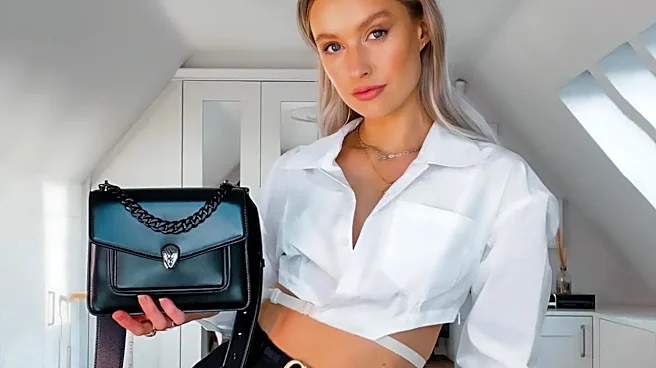
Sometimes, an outfit is technically perfect but lacks personality. Professional stylists often ensure every look has at least one point of focus or an element of surprise. This is your 'one interesting thing'. It could be a pair of shoes in an unexpected color, a vintage brooch on your lapel, a uniquely structured handbag, or a bold piece of jewelry. This single item can break up the monotony and inject your personal style into the ensemble. It doesn’t need to be loud or flashy; it just needs to be a deliberate choice that makes the outfit feel uniquely yours. It’s the difference between getting dressed and expressing yourself.
The Movement and Drape Factor
A final check involves how the clothes move with you. An outfit composed entirely of stiff, structured pieces can sometimes feel rigid and static. Introducing an element with drape or flow can bring it to life. This could be a soft trench coat that moves as you walk, a top with an angled or shirttail hem, or a skirt made from a fluid fabric. Even leaving the last few buttons of a shirt undone can create movement and a more relaxed feel. This subtle sense of motion adds a layer of grace and dynamism, rescuing a look from feeling too stuffy or overly controlled.