
A Lineup Built by Algorithm
The iHeartRadio Music Festival isn’t programmed like a typical festival such as Coachella or Lollapalooza, which cultivate a specific brand and target audience. Instead, its lineup is a direct reflection of its business model: a massive radio conglomerate
catering to dozens of demographics at once. The goal is to put an act on stage for every format iHeartMedia owns, from Top 40 and Country to Classic Rock and Hip-Hop. This year's event, taking place September 18th and 19th in Las Vegas, is a perfect example. The roster includes K-Pop titans BTS, rap superstar Cardi B, and country singers Kenny Chesney and Lainey Wilson. At the same time, it features 90s alternative rock bands like Goo Goo Dolls, Weezer, and The Smashing Pumpkins. It’s a strategy designed to ensure there's something for everyone, creating a cross-section of American listening habits.
Legacy Rockers Meet Viral Phenoms
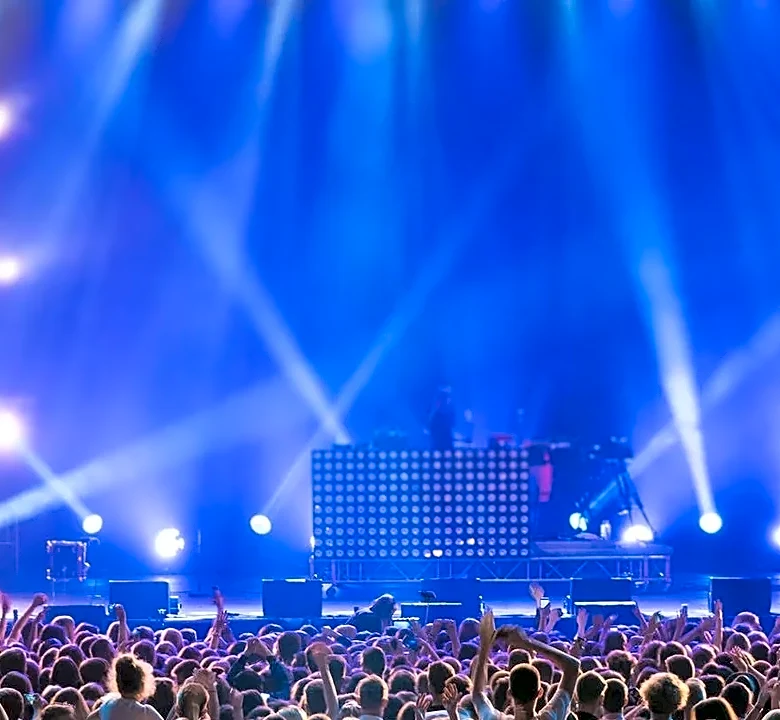
The most jarring, and fascinating, aspect of the lineup is the collision of vastly different eras of fame. On one hand, you have legacy acts like Muse and Snoop Dogg, artists with decades of hits, established fanbases, and a well-honed stage presence. Their inclusion appeals strongly to Gen X and Millennial nostalgia. On the other hand, you have artists like Benson Boone and Zara Larsson, who represent a newer, more digitally-driven path to stardom. These performers often find their initial audience on platforms like TikTok, where a single viral song can launch a career overnight. This dynamic creates a stark contrast in the arena. One moment, thousands of fans are singing along to a rock anthem they grew up with; the next, a younger segment of the audience is erupting for a star they discovered on their For You page just a few months prior. The festival stage becomes one of the few places these disparate musical worlds are forced to occupy the same space.
The Disappearing Musical Middle
This booking strategy, while commercially logical for iHeart, also highlights a hollowing-out of the music industry. The lineup is heavy on two extremes: certified legends who have been famous for over 20 years and brand-new stars enjoying a meteoric rise. What's often missing are the mid-career artists—the indie darlings, the critically acclaimed album artists, and the steady touring acts who may not dominate radio or TikTok but have built sustainable careers. The festival’s reliance on the biggest possible names from each demographic means it often overlooks the rich musical middle ground. This creates a landscape of giants and ephemera, where an artist is either an icon or a trending topic, with little room for the journey in between. The result is a showcase of peaks, without the connective tissue that defines a broader musical culture.
A Perfect Mirror of a Fragmented Culture
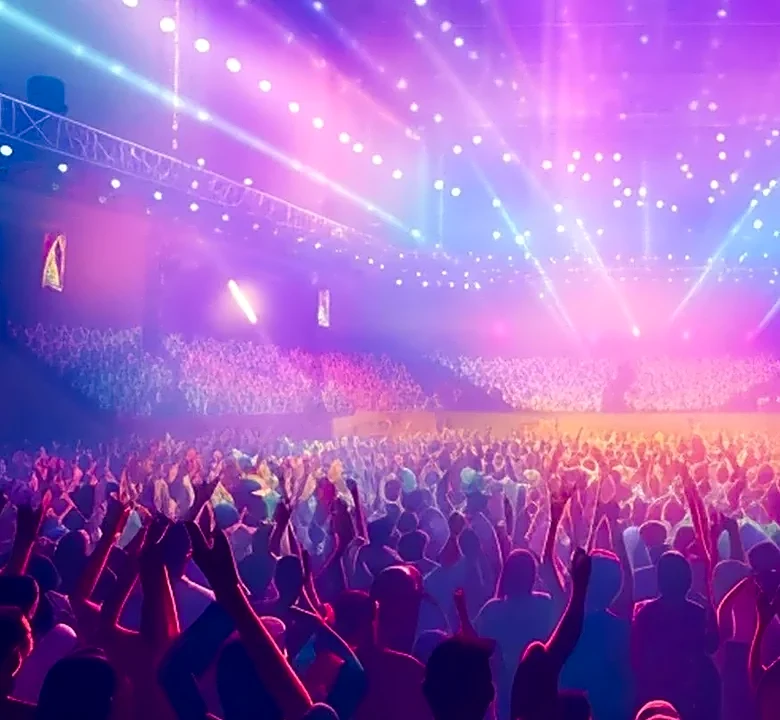
Ultimately, the iHeartRadio Music Festival lineup is captivating because it’s an honest reflection of our fragmented pop culture. In an era where algorithms curate our listening habits into hyper-specific niches, the festival forces them all into one room. The K-Pop fandom of BTS must coexist with the country audience of Lainey Wilson and the 90s rock fans there for Weezer. It’s a live-action version of scrolling through a chaotic social media feed, where different worlds, values, and aesthetics collide without context. This cross-genre approach is intentional, designed to deliver a spectacle of diversity. While it can feel disjointed, it also turns the festival into something more than a concert. It becomes a snapshot of what America is listening to, not as a monolith, but as a collection of passionate, distinct, and sometimes overlapping, fanbases.