



Cutting Through the Chaos
For decades, the VMAs have been a chaotic celebration of pop culture, rewarding artists for pushing boundaries. The performances are often grand, loud, and designed to fill a massive arena with energy. From Madonna's Marie Antoinette-inspired "Vogue"
in 1990 to Lady Gaga’s bleeding "Paparazzi" performance, the goal is often to create an unforgettable visual feast. However, in an environment saturated with stimuli, the most effective way to command attention is sometimes to do the opposite. Directors and artists can create a profound connection by stripping away the excess and focusing on a single, powerful image: the human face. This is the close-up strategy—a deliberate choice to ignore the sprawling stage and force millions of viewers into a shared, personal moment with the performer.
The Power of a Single Gaze
In film and television, the close-up is a fundamental tool for conveying emotion. By filling the screen with a character's face, a director can communicate vulnerability, anger, or joy without a word. In a live music setting, its power is amplified. While a wide shot shows the spectacle, a tight close-up reveals the soul of the performance. It’s a gamble that hinges entirely on the artist's ability to emote authentically under pressure. When Justin Bieber broke down in tears at the end of his 2015 performance, the camera held on his face, capturing a moment of raw, unscripted emotion that became the night's biggest story. It transformed a medley of pop hits into a public moment of catharsis, something no amount of choreography could achieve.
Anatomy of an Intimate Moment
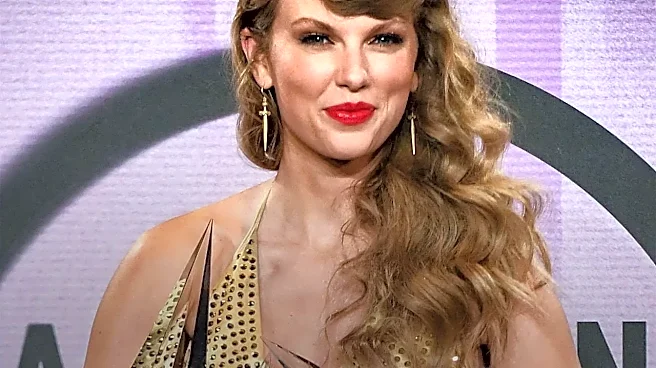
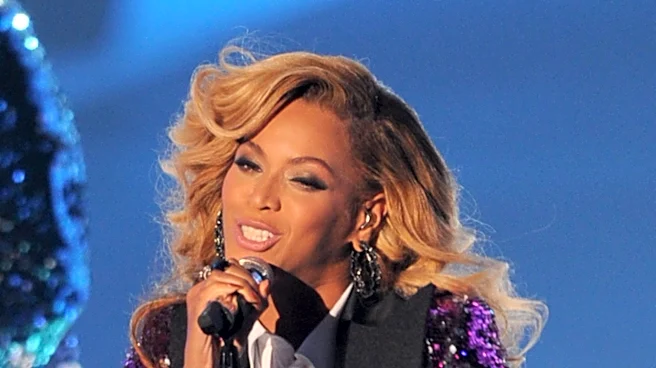
Perhaps one of the most masterful uses of the close-up strategy was Kanye West's 2010 performance of "Runaway." In the wake of his infamous interruption of Taylor Swift's speech the previous year, West returned to the VMA stage not with defiance, but with minimalist vulnerability. Dressed in a stark red suit against a brightly lit white stage, he stood alone at a sampler. The performance was defined by tight shots that focused on his face, capturing a sense of confession and self-reflection. The minimalism of the staging forced the audience to focus solely on him and his emotional delivery. Similarly, when Beyoncé revealed her pregnancy at the end of her "Love on Top" performance in 2011, the simple act of unbuttoning her blazer and rubbing her belly was made monumental by a camera that was ready for the intimate, joyful reveal.
The Artist's Ultimate Gamble
Opting for a close-up-driven performance is a high-stakes decision. There are no backup dancers, complex lighting rigs, or pyrotechnics to hide behind. It is an act of trust between the artist, the director, and the audience. The performer must be willing to be seen, truly seen, with every micro-expression magnified for millions. It requires immense confidence and emotional honesty. Tributes often rely on this technique to convey sincerity, such as Janet Jackson's emotional performance of "Scream" in honor of her brother Michael in 2009. The power was not in the dance steps she recreated, but in the moments the camera caught the emotion on her face. These performances prove that in the loud and glittering world of the VMAs, the quietest moments often resonate the longest.