








A Foundation of Loneliness
Before they were a crime-solving team, Charles-Haden Savage (Steve Martin), Oliver Putnam (Martin Short), and Mabel Mora (Selena Gomez) were just three lonely people in a building full of strangers. Charles is a semi-retired actor living a quiet, isolated
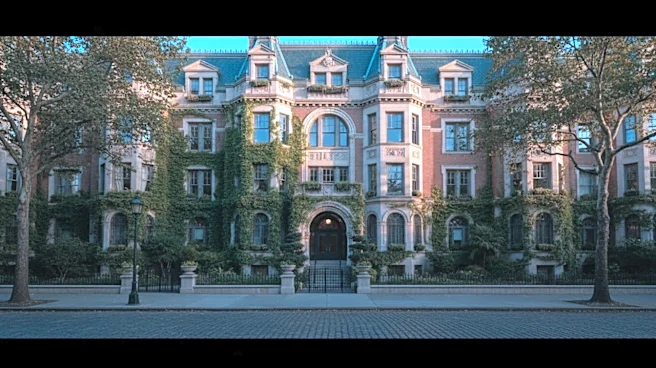
life. Oliver is a flamboyant theater director facing financial ruin and professional irrelevance. And Mabel is a young artist guarding deep-seated trauma and secrets connected to the building itself. Their shared obsession with a true-crime podcast is what first brings them together, but it's their shared, unspoken loneliness that truly forges their bond. The show masterfully uses the dense, yet anonymous, setting of a New York apartment building to highlight this theme. The characters are constantly in close proximity but emotionally miles apart, making their eventual connection all the more potent. The mystery gives them a purpose, but the friendship gives them a lifeline.
The Unlikely Found Family
One of the show's greatest strengths is its depiction of an intergenerational friendship. The dynamic between two septuagenarians and a millennial could easily devolve into a series of cheap jokes about texting and slang, and while the show has fun with those moments, it never stops there. Instead, it builds a genuine found family. Charles, Oliver, and Mabel fill voids in each other's lives they didn't know how to articulate. For Charles and Oliver, Mabel becomes a surrogate daughter figure who pushes them to engage with the world, while they offer her a stability and a zany-but-unconditional support system she lacks. Moments when they admit their affection for one another, often couched in sarcasm or panic, are among the series' most powerful. The show consistently reinforces that their friendship is the real story, the anchor that keeps both them and the audience grounded, no matter how wild the murder plot gets.
Comedy as a Trojan Horse for Drama
The series is, at its core, a comedy. The banter is sharp, the physical comedy is brilliant, and the eccentric supporting cast provides a constant source of laughter. But the show uses this comedic framework as a Trojan horse to deliver surprisingly heavy emotional blows. It seamlessly balances Oliver’s theatrical meltdowns with Mabel’s quiet processing of grief, or Charles’s awkward anxieties with a genuinely touching romantic subplot. This balance allows the show to explore themes of failure, regret, and trauma without becoming bleak. Even minor characters are given moments of surprising poignancy, like the cantankerous building manager Bunny Folger, whose lonely final hours are depicted with heartbreaking empathy. The humor makes the audience let their guard down, so when the dramatic moments arrive, they land with unexpected force. Composer Siddhartha Khosla even noted he scored the show focusing on the drama and loneliness, letting the comedy play on its own, which enhances this effect.
Solving for Connection, Not Just Crime
While each season presents a compelling and twisty murder mystery, the central investigation is always about more than just finding a killer. The crimes force the characters to confront their own pasts and engage with their neighbors, turning strangers into a community. The investigation into Tim Kono’s death is also an investigation into Mabel's lost friendship. The hunt for Bunny's killer forces the trio to reckon with their own casual dismissal of her. The show argues that solving a crime requires understanding the victim as a person, which in turn forces the sleuths to become more empathetic themselves. They start their podcast for fame and distraction, but they continue it out of a real sense of responsibility and a newfound care for the people around them. This elevates the stakes beyond a simple puzzle to a quest for human connection in an increasingly isolated world.