




The Great Skinny-Fit Hangover
To understand the obsession with pleats, you first have to understand what menswear is collectively recovering from: the decade-plus reign of the skinny jean and the flat-front chino. From Hedi Slimane’s Dior Homme in the 2000s to the mainstreaming of ultra-slim
suits in the 2010s, the dominant male silhouette was aggressively narrow. It was a look that prioritized a rock-and-roll youthfulness, but often at the expense of comfort and universal flattery. After years of being squeezed into restrictive cuts, a collective exhaustion set in. The pendulum, as it always does in fashion, began its swing in the opposite direction. Men wanted room to move. They wanted clothes that draped rather than clung. This created a vacuum, and into that space walked the humble, long-neglected trouser pleat.
A Quiet Language of Tailoring
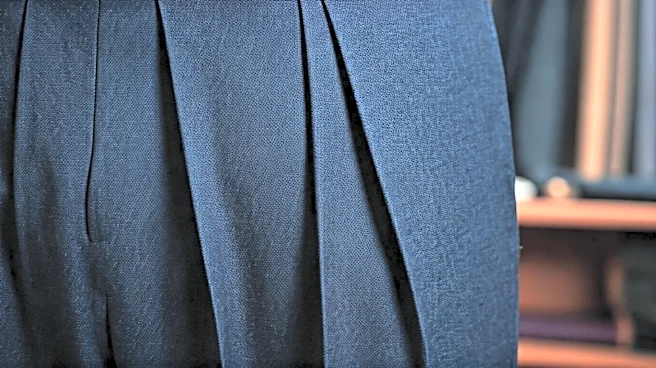
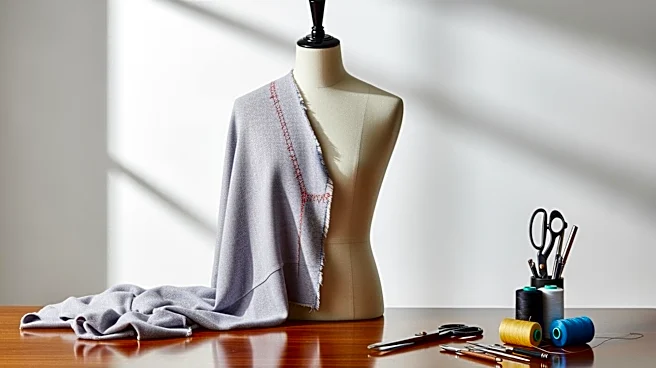
A pleat is not just a random wrinkle; it’s a deliberate fold of fabric stitched into the waist of a trouser, designed to create volume through the hip and thigh. This is what menswear aficionados are “studying.” There are two primary types: reverse pleats, which open outward toward the pockets, and forward pleats, which open inward toward the fly. Reverse pleats are the Italian and American standard, offering a cleaner line down the leg. Forward pleats are a British tradition, often found in Savile Row tailoring, providing a slightly more contained and sculpted shape. The choice between a single, sharp pleat or a more generous double pleat further refines the silhouette. This isn't just decoration; it's engineering. A well-executed pleat allows trousers to hang elegantly from the waist, providing comfort when sitting and a graceful sense of movement when walking. It’s a sign of considered craftsmanship—a detail that separates a truly great pair of pants from an average one.
Milan Sets the New Standard
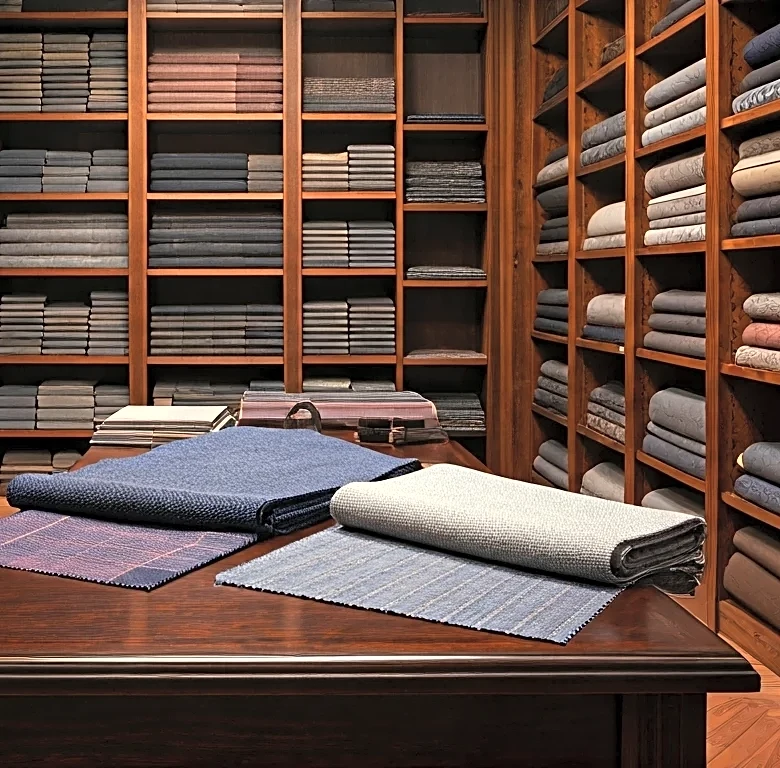
While the return to volume is a global trend, Milan is its spiritual home. Italian luxury houses have a historic mastery of a concept called *sprezzatura*—a studied nonchalance that makes elegance look effortless. Pleats are central to this ethos. At recent shows, brands like Zegna, a titan of textiles and tailoring, have showcased trousers with deep, soft single pleats that create a fluid, unbroken line from waist to ankle. Prada, always a barometer of intellectual cool, has leaned into high-waisted, double-pleated pants that feel both nostalgic and radically modern. Even brands known for sharper looks, like Gucci and Fendi, are incorporating softer, more voluminous trousers into their collections. What they all have in common is a focus on luxurious fabrics—wool, flannel, and linen blends—that have the weight and structure to hold a pleat beautifully. Milan’s message is clear: the new luxury is not about restriction, but about the freedom that comes with a perfectly draped, comfortable garment.
Comfort, Confidence, and a New Shape
Ultimately, the focus on pleats is about more than just a passing trend. It reflects a fundamental change in how men want to present themselves. The post-pandemic world accelerated a desire for clothing that feels as good as it looks. Pleated trousers offer precisely that: they provide physical comfort without sacrificing an ounce of polish. In fact, they can project a new kind of confidence. A wider, pleated trouser creates a stronger, more grounded silhouette than its skinny predecessor. It speaks to a certain maturity and a quiet self-assurance—an understanding that you don’t need to wear tight clothing to look sharp. This shift redefines power dressing for the modern man. It’s less about the rigid, padded-shoulder armor of the 1980s and more about the relaxed authority of a man who is comfortable in his own skin, and in his clothes.