





The Promise in Two and a Half Minutes
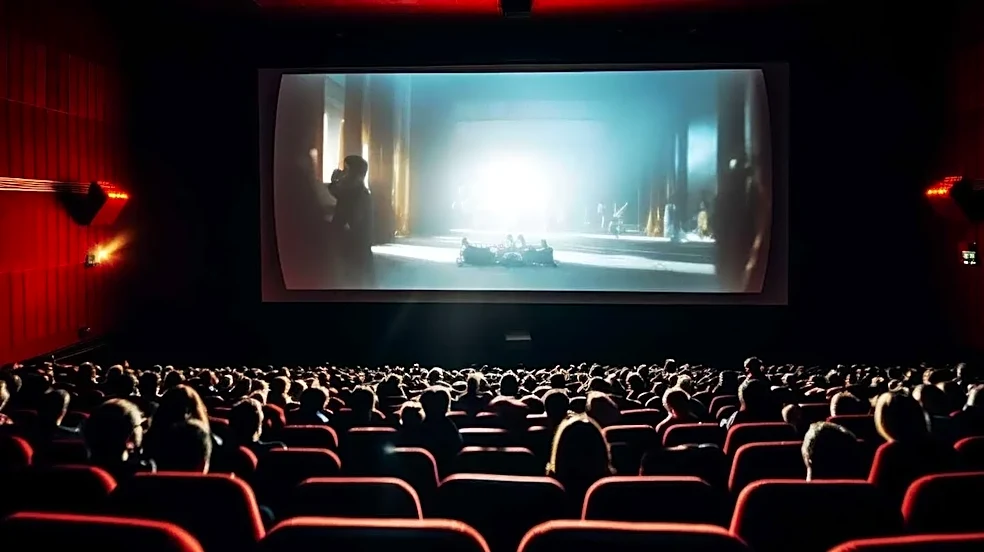
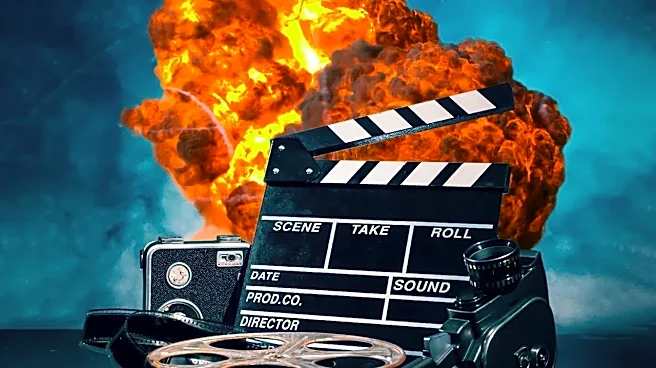
A movie trailer isn't just a highlight reel; it's a meticulously crafted piece of advertising designed to do one thing: get you into a theater seat on opening weekend. It’s the single most important marketing tool a film has. This is especially true for
horror, a genre that thrives on atmosphere and anticipation. Editors who specialize in trailers are masters of emotional manipulation, using pacing, sound design, and strategic reveals to sell an experience. For a horror sequel, their task is doubly complex. They must convince audiences that this new chapter is both a faithful continuation of what they loved and a terrifyingly fresh reason to return to the multiplex.
The Sequel's Double-Edged Sword
Marketing a horror sequel is a balancing act. Audiences want the familiar thrill—the iconic masked killer, the specific type of haunting, the signature jump scares—but they also crave novelty. A trailer for 'Scream 7' can't just show Ghostface; it has to hint at how the rules have changed. The editing challenge is to weave the familiar with the new. This often involves 'legacy' footage, quick cuts to scenes from the original film that remind viewers of their long-standing connection to the franchise. Then, those nostalgic beats are immediately contrasted with shocking new imagery, promising a story that honors the past while escalating the stakes. The goal is to activate the built-in fanbase while also intriguing newcomers who might have missed earlier installments.
Editing Tricks of the Trade
Horror trailer editors have a deep bag of tricks. Pacing is paramount. Trailers often start slow, building an eerie atmosphere before descending into a frantic montage of quick cuts, screams, and shocking visuals synchronized to a building crescendo of music or a distorted pop song. This creates a physical sense of anxiety and excitement. Sound design is another key weapon; the sudden absence of sound can be as jarring as a loud jump scare. Editors also excel at misdirection. A line of dialogue can be taken out of context to create a false impression, or a seemingly terrifying moment might be revealed as a dream sequence in the actual film. It’s all about crafting the most effective two-minute horror story, even if it's not the exact story of the film itself.
When Trailers Lie (And Why It Works)
Sometimes, a trailer's primary job is to hide a movie's weaknesses or broaden its appeal by presenting a misleading tone. This is especially common when a studio fears the final film is too slow, too strange, or not scary enough. A trailer might be cut to feel like a relentless action-horror film, even if the movie is a slow-burn psychological drama. Famously, the trailer for 2003's 'Kangaroo Jack' sold it as a family-friendly comedy with a talking kangaroo, which only appeared in a brief dream sequence; the film was actually a more adult-oriented mob comedy. This strategy is a gamble. It can secure a massive opening weekend before negative word-of-mouth spreads, but it can also lead to audience backlash. For a studio, the financial calculation is often simple: getting the money upfront is the priority, especially if they suspect the film won't have legs.