


The Festival: Trial by Fire
The music festival is chaos. An artist is one name among dozens on a poster, fighting for the attention of a transient, often distracted, crowd. The sun is a rogue lighting technician, the sound bleeds from other stages, and a significant portion of the audience
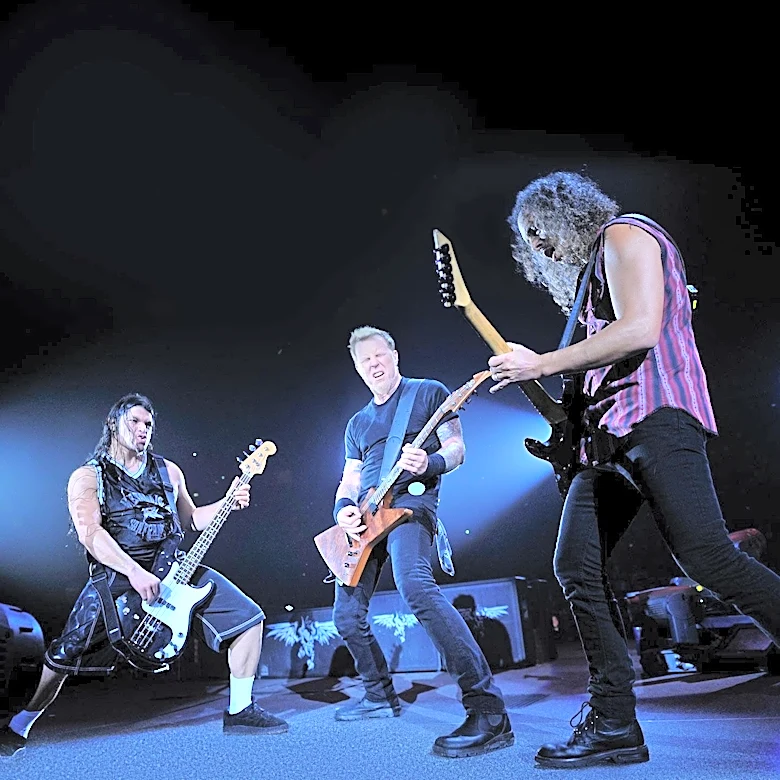
might be there for the food trucks, not the music. This is precisely what makes it such a potent test. A great festival performance is a triumph of raw charisma over circumstance. With a shorter, high-impact setlist—usually a sprint of the most well-known hits—an artist has about 45 minutes to win over skeptics and create a moment. There's no room for slow-burn intimacy or obscure deep cuts. The job is to grab the crowd by the collar and force them to pay attention through sheer force of energy, stage presence, and undeniable hooks. It’s an exercise in adaptability, proving you can create a party in an open field, even for people who don't know your name.
The Arena: A Controlled Universe
An arena show is the opposite: a hermetically sealed world of the artist’s own creation. This is their home turf. Every element, from the Jumbotron visuals to the pyrotechnics, is meticulously planned and rehearsed to serve a singular vision. The audience is already converted; they bought a ticket specifically to see this performer, and they know the words to every song. Here, the test isn't about winning people over—it's about living up to their expectations and delivering a transcendent experience. The pressure is to create a spectacle that feels both massive and personal. Can the performer command a cavernous space and make someone in the last row feel seen? Do the high-end production values enhance the music or just distract from it? An arena show reveals an artist's ambition, their attention to detail, and their ability to build a world for two hours that an audience can get lost in.
The Setlist Dilemma
Nowhere is the difference clearer than in the setlist. A festival set is essentially a highlight reel. Artists must pack their most recognizable, high-energy songs into a tight window to keep the crowd engaged. It's a strategic strike designed for maximum impact and minimum risk. An arena tour, however, allows for a narrative. With a 90-minute to two-hour runtime, a performer can weave a story, mixing huge hits with quieter acoustic moments, fan-favorite album tracks, and even new material. This is where an artist's full range is on display. It’s a test of pacing and flow, showing they can not only write a hit single but can also craft a compelling, feature-length experience. The festival set asks, "Do you have the hits?" The arena show asks, "Do you have the depth?"
So, Who Is the Better Performer?
Pitting the two formats against each other reveals a simple truth: they don't test the same things. One isn't inherently a better measure of talent than the other. The festival stage is a crucible for raw, unfiltered connection and spontaneity. It strips away the elaborate production and asks, “Can you, by yourself, command this massive, chaotic space?” It’s a test of instinct. The arena, by contrast, is a showcase for vision and execution. It asks, “Can you build a flawless, immersive spectacle that justifies the ticket price and leaves a lasting memory?” It’s a test of control. The truly exceptional performers are the chameleons who understand the demands of both. They know how to deliver a tight, explosive set at Lollapalooza on a Saturday afternoon and then, a few months later, hold 20,000 fans in rapt attention with a sprawling, emotionally complex arena show. They don't just survive in each environment; they thrive.