


The Runway: A Laboratory of Ideas
Think of a runway show as a high-concept art exhibit. For designers, it’s a chance to make a grand statement, showcasing their most ambitious and creative visions for the upcoming season. These presentations are about storytelling and brand identity,
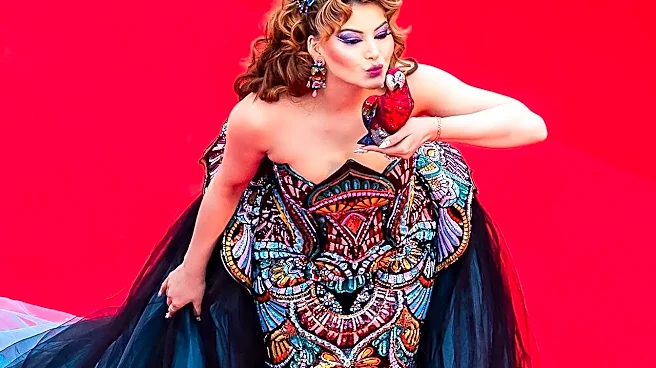
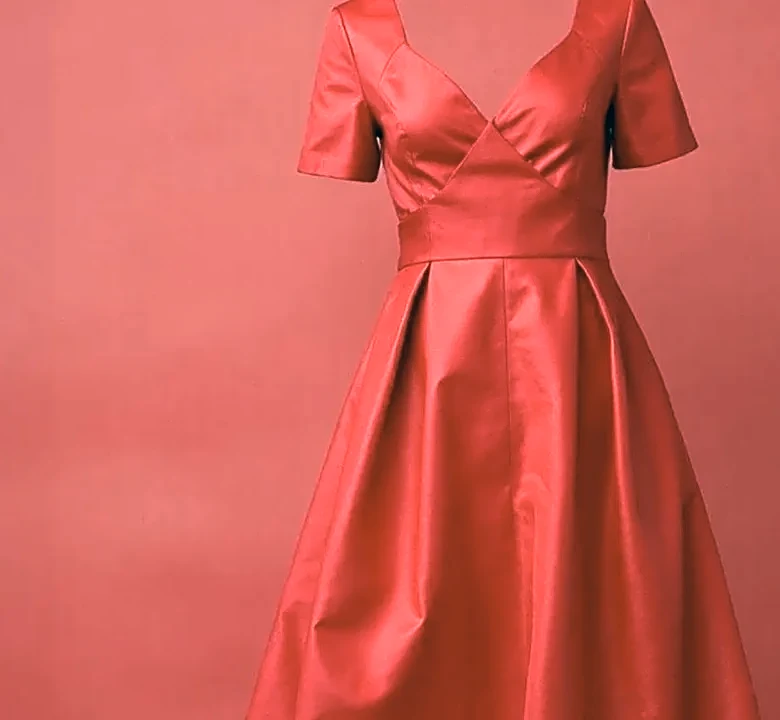
pushing the boundaries of what fashion can be with exaggerated silhouettes, experimental materials, and theatrical styling. The clothes are often impractical for everyday life—and that’s the point. The runway’s influence is aspirational and top-down. It sets a mood board for the entire industry, dictating future color palettes, themes, and silhouettes that will eventually be diluted and adapted for a commercial audience. A shopper might not buy the jaw-dropping, feathered creation from the finale, but the spirit of that collection might inform the shape of a jacket they purchase six months later.
The Street: Where Fashion Gets Real
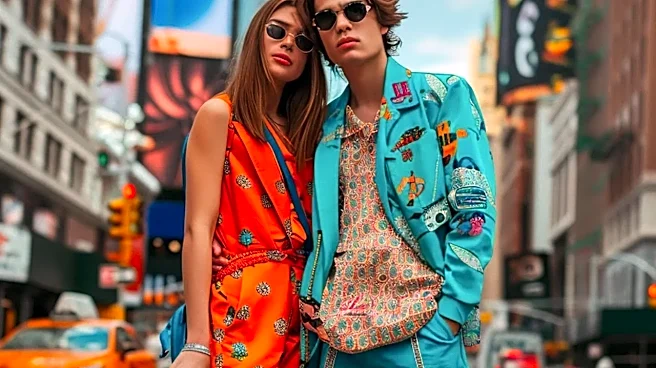
If the runway is the laboratory, the sidewalk is the real-world test. Street style is fashion in motion, worn by a diverse cast of editors, influencers, and style enthusiasts navigating the city. Here, trends are not just presented; they are interpreted and contextualized. A plaid trench coat from a runway collection is paired with vintage denim and worn on the subway; an oversized blazer is cinched with a thrifted belt for a coffee run. This is where high-fashion ideas are democratized and made relatable. The influence here is peer-to-peer and immediate. It answers the crucial question for any shopper: "But how would I actually wear that?" Seeing a trend adapted for real life provides a practical blueprint that a staged runway show often lacks.
Aspiration vs. Attainability
The fundamental difference in how these two arenas influence shoppers lies in psychology. The runway sells a dream. It’s an exercise in brand-building that creates desire through fantasy and exclusivity. In contrast, street style thrives on attainability and relatability. Psychological studies show that consumers, particularly younger ones, often trust influencers more than traditional celebrity endorsements because they feel more authentic and accessible. This is a key part of the Social Comparison Theory, where people look to others they find relatable to validate their own choices. When a shopper sees an influencer they follow wearing a particular item, it feels like a recommendation from a stylish friend, not a directive from a distant luxury brand. This perceived credibility is a powerful driver of purchase intent.
The Instant Feedback Loop of Social Media
Social media has thrown gasoline on the fire of street style's influence. While runway trends once took months to trickle down through magazines and into stores, a viral street style look can be identified, shared, and even become shoppable within hours. Platforms like Instagram and TikTok have transformed Fashion Week attendees into powerful content creators and trendsetters. Their posts provide instant feedback on which trends are resonating, creating a rapid cycle of inspiration and consumption. Brands have capitalized on this, often paying influencers to wear their pieces, effectively turning the streets into a live, commercially potent runway that feels more organic and immediate to the average shopper scrolling through their feed.