





1. It’s the Ultimate American Story
At its core, the American psyche is wired to love an underdog. It’s the narrative our nation was built on: the scrappy upstart defying the established empire. Every four years, the World Cup provides a global stage for this very drama. We see it in movies
like *Rocky* and *Hoosiers*, and we live for it in March Madness. A small nation with a fraction of the resources and population going toe-to-toe with a soccer titan like Germany, Brazil, or France? That’s a story we instinctively understand and embrace. It’s not just about soccer; it’s about the belief that passion, grit, and a bit of luck can overcome historical dominance. For many Americans, adopting a dark horse isn’t just a secondary rooting interest—it’s tapping into a foundational part of our cultural DNA.
2. The 'Home Away From Home' Effect
The 2026 World Cup isn't just happening *in* America; it's happening in cities with vibrant, diverse immigrant communities. When a team like Senegal plays in New York, or Colombia plays in Miami, or Mexico plays in Houston, the stadiums won't just be filled with neutral observers. They will become de facto home games. This creates an incredible opportunity for American fans to connect with the tournament on a local level. You might not have a personal tie to Ghana, but when your city’s Ghanaian community turns out in force, filling the bars and fan zones with incredible passion, it’s impossible not to get swept up. For millions of Americans, the dark horse they fall for will be the one that represents their neighbors, their friends, and the rich cultural fabric of their own city.
3. We All Remember the Morocco '22 Blueprint
Anyone who paid even casual attention to the 2022 World Cup remembers Morocco. Their run to the semifinals was pure, uncut sporting magic. They were organized, defensively brilliant, and played with a joyous spirit that captivated the world. They knocked out giants Spain and Portugal, becoming the first African and Arab nation to reach a World Cup semifinal. More importantly, they gave neutral fans a perfect, guilt-free team to rally behind. Morocco’s success wasn't a fluke; it was a blueprint. It showed that with tactical discipline and unwavering self-belief, the gap between the elites and the challengers is shrinking. American fans saw how much fun it was to be on the Moroccan bandwagon, and in 2026, they’ll be actively searching for the next team to provide that same exhilarating ride.
4. Freedom from Fandom Baggage
Let’s be honest: being a fan of a global powerhouse comes with baggage. There are decades of history, bitter rivalries, and sky-high expectations. If you’re a new or casual American soccer fan, jumping on the Brazil or England bandwagon can feel complicated. Rooting for a dark horse—say, Japan, with its thrilling counter-attacks and disciplined organization, or Canada, with its explosive young talent—is different. It’s pure. There are no preconceived notions or historical grudges. You get to discover the players, the style, and the story in real time. It’s a chance to appreciate the sport for what it is, without the weight of dynastic pressure or the complex politics of global soccer hierarchies. It's simply about enjoying the journey.
5. An Expanded Field Means More Stories
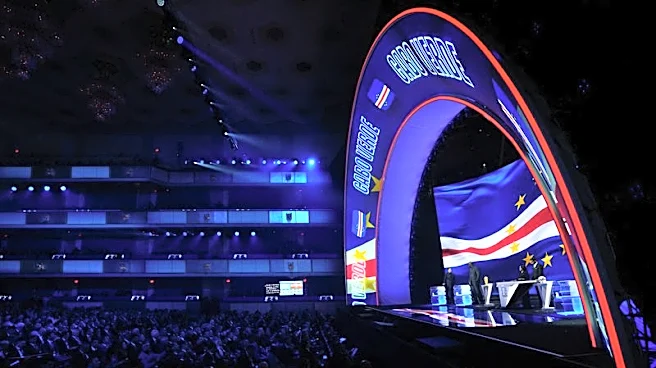
The 2026 World Cup will be the largest in history, expanding from 32 to 48 teams. While some purists have criticized the change, it undeniably creates more opportunities for Cinderella stories. More spots are available for teams from Africa, Asia, and North/Central America—regions teeming with rising talent. This means we're more likely to see nations making their World Cup debut or returning after a long absence. Each of these teams arrives with a powerful narrative of triumph just for having qualified. They are, by definition, dark horses. From the opening kickoff, the tournament will be seeded with more potential giant-killers and feel-good stories than ever before, giving American audiences a much wider menu of exciting underdogs to choose from.