






Harnessing the Adrenaline Rush
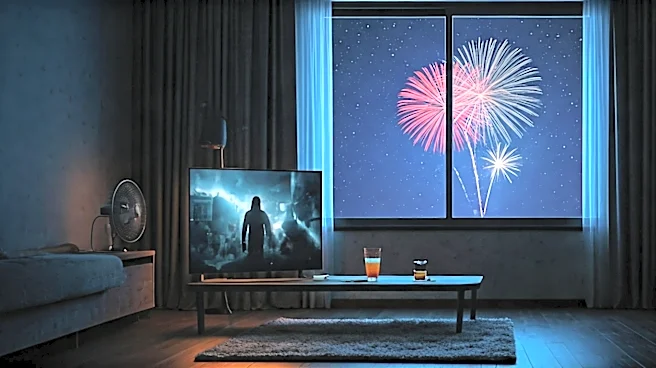
The grand spectacle of a fireworks show does more than just light up the night sky. The thunderous booms and brilliant flashes are a full-sensory experience that triggers a genuine physiological response. Neuroscientists note that the loud, sudden noises
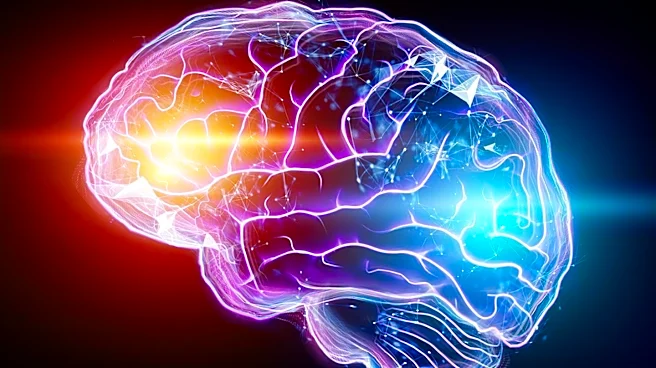
activate the brain's fear-detecting region, the amygdala. Your body goes on alert, releasing a surge of dopamine and adrenaline, the same chemicals associated with excitement and pleasure. It's a controlled thrill. We know we're safe, so instead of genuine fear, we feel a sense of euphoria and energy. This leaves you in a unique state: your body is primed with a natural, feel-good buzz, your senses are heightened, and you're not quite ready for the night to wind down. This residual excitement is the key ingredient for what comes next.
The Science of a Better Scare
This is where the magic happens, thanks to a psychological phenomenon called "excitation transfer theory." First proposed by psychologist Dolf Zillmann, the theory suggests that the leftover arousal from one event can intensify your emotional response to the next one, even if the two are unrelated. Your body doesn't instantly reset to zero after the fireworks finale. That lingering adrenaline needs somewhere to go, and your brain isn't always picky about where it attributes those feelings. When you sit down to watch a horror movie in this heightened state, the film doesn't have to work as hard to get your heart pounding. The suspense feels more tense, the jump scares hit harder, and the overall experience becomes more viscerally thrilling. The physiological arousal from the public spectacle of fireworks essentially becomes fuel for the private terror of the movie, making the film more impactful and, for those who enjoy it, more fun.
From Communal Awe to Intimate Fear
The combination also creates a perfect narrative arc for an evening. Fireworks are an inherently communal experience. You share the oohs and aahs with a crowd, feeling a sense of connection and shared celebration under an open sky. Following that up with a scary movie flips the script entirely. You retreat indoors, usually with a smaller, more intimate group of friends or a partner. The experience becomes personal and contained. This transition from a large-scale public event to a cozy, private one is satisfying. The shared fear of a horror movie fosters a different kind of bonding—a huddle-together-on-the-couch camaraderie. You're sharing an experience that is, by design, meant to feel isolating and suspenseful, which paradoxically brings you closer. It's a powerful one-two punch of social connection.
The Perfect Cathartic Cooldown
Ultimately, the reason this combination works so well is that it provides a profound sense of release. The fireworks build you up with awe and excitement, and the scary movie offers a channel for all that pent-up energy. Experiencing fear in a safe environment allows for a cathartic release of emotion. When the monster is vanquished and the credits roll, your brain gets another flood of feel-good chemicals, this time in response to relief. You’ve successfully navigated the thrilling highs of the fireworks and the terrifying lows of the horror movie, emerging unscathed. The process can even have a "reset" effect, making other anxieties seem more manageable. You’re left not with a lingering sense of dread, but with a feeling of accomplishment and calm. The initial adrenaline spike from the pyrotechnics has been spent, and the tension from the film is resolved, leaving you perfectly ready for a peaceful night's sleep.