
Cutting Through the Noise
In any performance, but especially at a spectacle like the VMAs, the element of surprise is currency. When every performance is designed to be bigger, brighter, and louder than the last, the most unexpected thing an artist can do is take sound away. Psychologically,
it’s a pattern interrupt. An abrupt pause or a moment of quiet forces an audience, both in the room and at home, to recalibrate. Continuous noise can be overwhelming, but a sudden silence heightens attention and creates a surge of anticipation for what comes next. It draws the listener in, creating a shared moment of tension. Instead of fighting for attention over the sonic landscape, an artist uses the absence of sound to command it completely. The quietest moment in the show suddenly becomes the loudest.
Case Study: Lorde's Silent Dance
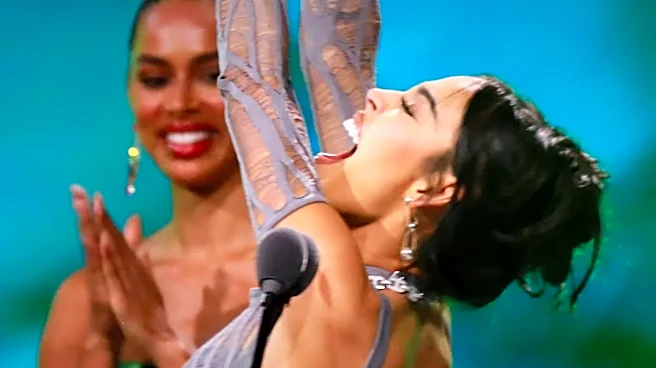
Perhaps the most literal and memorable use of silence was Lorde’s 2017 performance of “Homemade Dynamite.” Battling a severe case of the flu and on vocal rest, she couldn't sing. Instead of lip-syncing or canceling, she took the stage and simply danced. For the entire song, Lorde performed an impassioned, joyful, and slightly awkward interpretive dance, never once opening her mouth to sing along to the backing track. The performance was polarizing and confusing for many viewers, but it was also undeniably magnetic. By refusing to fake the vocal performance, she created a moment of profound honesty. The silence from her microphone was a statement in itself, turning a logistical nightmare into a piece of performance art about vulnerability, joy, and the defiant spirit of just showing up.
The Power of the Intentional Pause
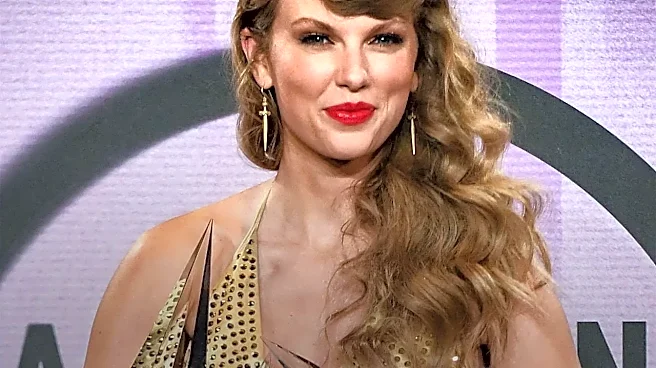
Silence isn’t only about the complete absence of music; it can also be weaponized in speech. In 2015, Taylor Swift presented Kanye West with the Video Vanguard Award, six years after he famously interrupted her acceptance speech. Before speaking, she stood at the microphone and simply waited, letting the weight of their shared history hang in the air. That calculated pause was more powerful than any opening line. It acknowledged the drama without rehashing it, commanded the audience's full attention, and set the stage for a speech about forgiveness. The silence was filled with meaning, transforming a potentially awkward moment into one of maturity and control. It was a classic demonstration of how a brief, intentional quiet can communicate more than words themselves.
Silence as a Form of Connection
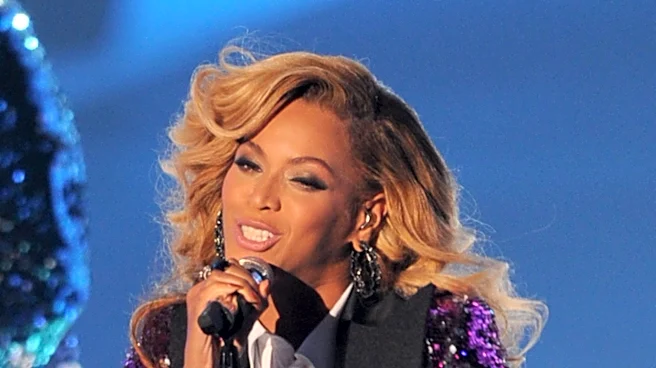
Beyond dramatic pauses, silence can foster a unique connection between an artist and their audience. When a performer allows a moment of quiet, it creates a shared space. In a massive arena, a sudden hush can feel surprisingly intimate, unifying thousands of people in a single, focused moment. Artists like Marina Abramović have built entire careers on using silence to explore presence and vulnerability, proving that a lack of sound can intensify a connection. At the VMAs, this can take the form of an artist holding back tears, as Justin Bieber did in 2015, creating a raw and unguarded moment that resonated with viewers. Or it can be the quiet confidence of Beyoncé revealing a baby bump at the end of a song, a silent gesture that spoke volumes and sent the crowd into a frenzy. These moments aren't empty; they are filled with emotion that sound would only distract from.