
What Is Technical Tailoring?
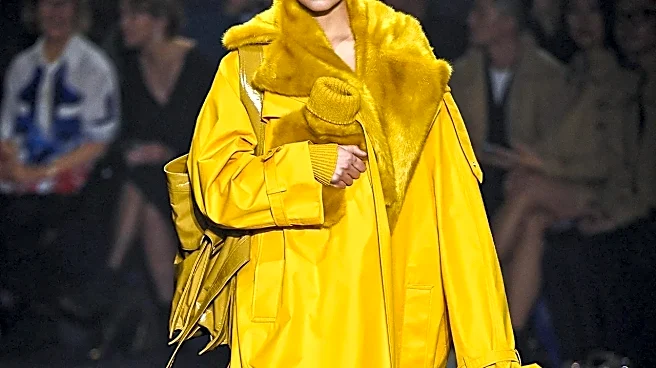
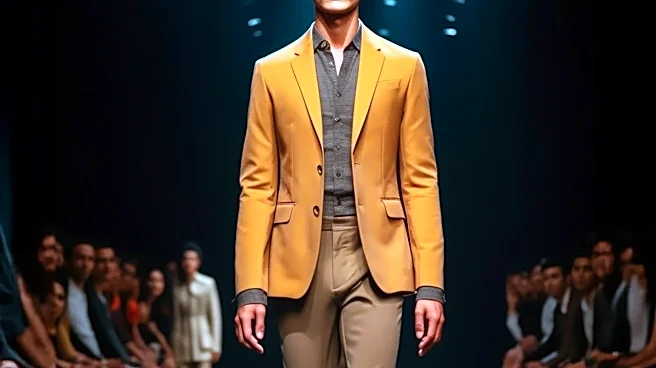
Imagine your favorite blazer, but built to withstand a sudden downpour. That’s the essence of technical tailoring. This emerging style takes the classic architecture of menswear—sharp blazers, structured
trousers, clean-lined coats—and constructs them from performance fabrics typically found in high-end outdoor gear. Think breathable, water-resistant shells, nylon blends, and textiles with built-in flexibility, all cut into sophisticated silhouettes. It’s a move that prioritizes function without sacrificing form. Details are subtle but significant: sealed seams, hidden vents, and discreet, multi-purpose pockets replace bold graphics. The result is a garment that feels both traditional and futuristic, engineered for the unpredictability of modern life.
The Copenhagen Connection
It makes perfect sense that this trend would find its home in Copenhagen. Danish design has long been rooted in a philosophy of minimalism, quality craftsmanship, and supreme functionality. This is a city where people bike everywhere, navigating a climate that can shift from sunny to rainy in minutes. Clothing has to perform. Brands like Norse Projects, Heliot Emil, and Berner Kühl have championed this aesthetic, creating pieces that blend into an urban environment while offering practical benefits. They are less concerned with fleeting trends and more focused on creating lasting, versatile garments. This approach represents a maturation of style, where the ultimate luxury isn't a flashy logo but a coat that keeps you perfectly dry on your commute without looking like you’re about to summit a mountain.
From Hype to Quiet Confidence
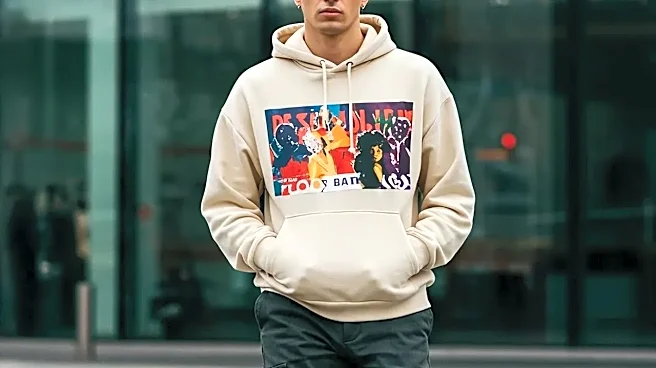
This shift marks a significant evolution in streetwear. The 2010s were defined by hype: limited-edition drops, conspicuous branding, and the social currency of logos. By 2026, the culture has become more refined. Consumers are more informed, selective, and resistant to marketing gimmicks, prioritizing quality fabrics and individuality. Technical tailoring is the aesthetic embodiment of this change. It’s the next logical step after “gorpcore”—the trend of wearing functional outdoor gear like fleece vests and hiking boots in everyday life—which primed us to appreciate performance materials. But where gorpcore can sometimes feel purely utilitarian, Copenhagen’s take blends it with the elegance of tailoring, creating a new uniform for the city dweller who values both substance and style.
A Uniform for Our New Reality
Ultimately, the rise of technical tailoring reflects a broader cultural shift. The clear lines that once separated work, leisure, and home have blurred. We need clothing that can seamlessly transition between different contexts—a jacket smart enough for a meeting, comfortable enough for a long walk, and practical enough for whatever the day throws at you. This new wave of streetwear delivers just that. It's less about peacocking and more about quiet preparedness. It suggests a wearer who is confident, not in the brand they're wearing, but in the considered functionality and understated quality of their clothes. It’s a grown-up version of streetwear, built for a world where versatility isn't just a bonus, but a necessity.