





The Quiet, The Loud, and The Crowd
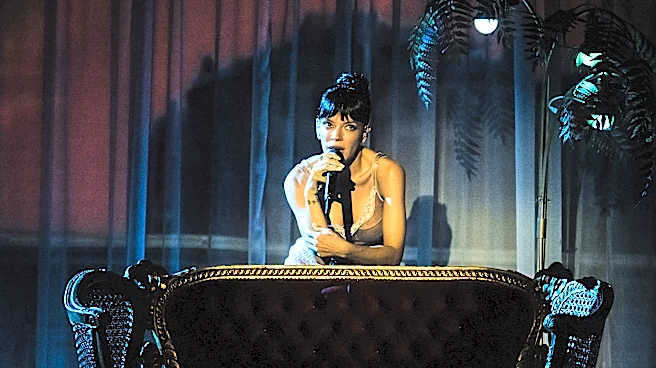
Billie Eilish is, by a significant margin, one of the quietest singers in popular music today. Her Front-of-House (FOH) engineer, Drew Thornton, has called her “exponentially far the quietest singer” he’s ever worked with. Her style is built on subtlety,
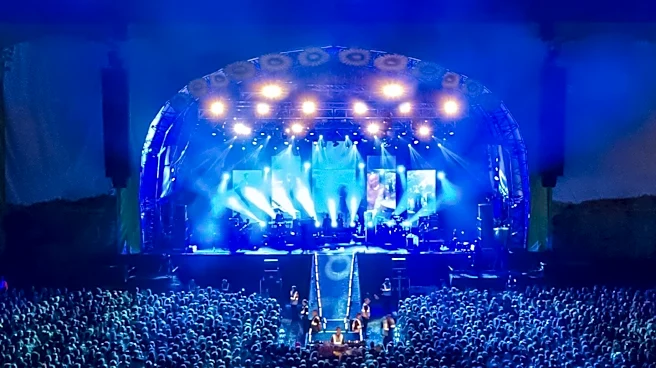
from ASMR-like whispers to breathy, close-mic confessions. But then, a song like “bad guy” or “Bury a Friend” will erupt, layering her vocals over deep, synthetic bass and complex electronic arrangements created with her brother, Finneas. This massive dynamic range—the technical term for the difference between the quietest and loudest sounds—is a signature of her studio recordings. Recreating it live is another matter entirely, especially when competing with what Thornton has described as one of the loudest crowds he has ever heard, with screaming fans sometimes reaching the volume of a jet engine.
The Festival Sound Conundrum
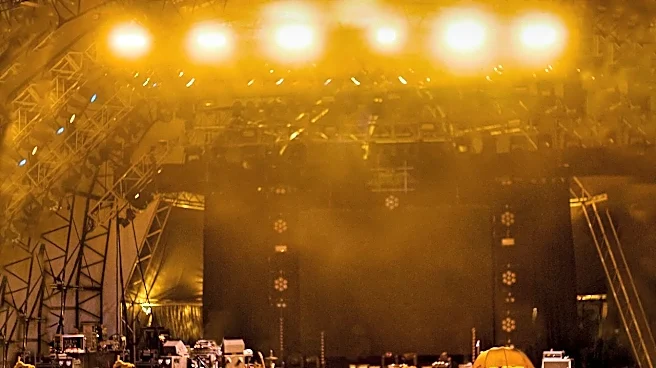
In a controlled arena, a dedicated sound team can meticulously plan for these dynamics. But at a music festival, chaos reigns. Sound engineers face a barrage of challenges: unpredictable weather, sound bleeding from other stages, and a diverse audience spread over a vast area. The primary goal is consistency, ensuring the person in the front row and the person by the food trucks have a similar, high-quality experience. This usually involves a degree of audio compression, a process that squashes the dynamic range by making loud parts quieter and quiet parts louder. It’s a safety net. But with an artist like Eilish, whose art is the dynamic range, heavy-handed compression would destroy the performance, turning her whispers into mush and sanding the edges off her explosive choruses.
Inside the Mixer's Booth
So, how do they do it? It’s a high-wire act of manual skill and technical savvy. FOH engineer Drew Thornton, who has been with Eilish since her club days, has developed a specialized approach. Instead of relying on broad compression, he engages in what's known as "gain riding"—essentially riding the volume faders by hand throughout the show, anticipating every whisper and every crescendo. His focus must remain entirely on her vocal for the entire show. This is augmented by a sophisticated chain of digital tools, including dynamic EQs and primary source expanders, which help isolate her vocal from the deafening crowd noise and prevent feedback, especially as she moves around the stage and in front of the main speakers. This constant, active mixing is more art than science, requiring an intimate knowledge of the music and the artist’s every move.
The 'Eilish Effect' on Live Sound
The challenges posed by Eilish’s success are pushing the entire live audio industry forward. She is the ultimate case study in why dynamic, nuanced music requires more than just a “set it and forget it” approach at festivals. Her tour’s demands have spurred innovation and a greater emphasis on skill. Engineers for other artists and festival organizers now have a new benchmark for what’s possible. The “Eilish effect” is a forcing function: it demands better equipment, more meticulous system tuning, and, most importantly, highly skilled engineers who can do more than just make things loud. They have to make them feel right, preserving the artistic intent that was born in a bedroom studio for tens of thousands of people in an open field. It’s a lesson in dynamics that is reshaping the sound of live music for the better.