
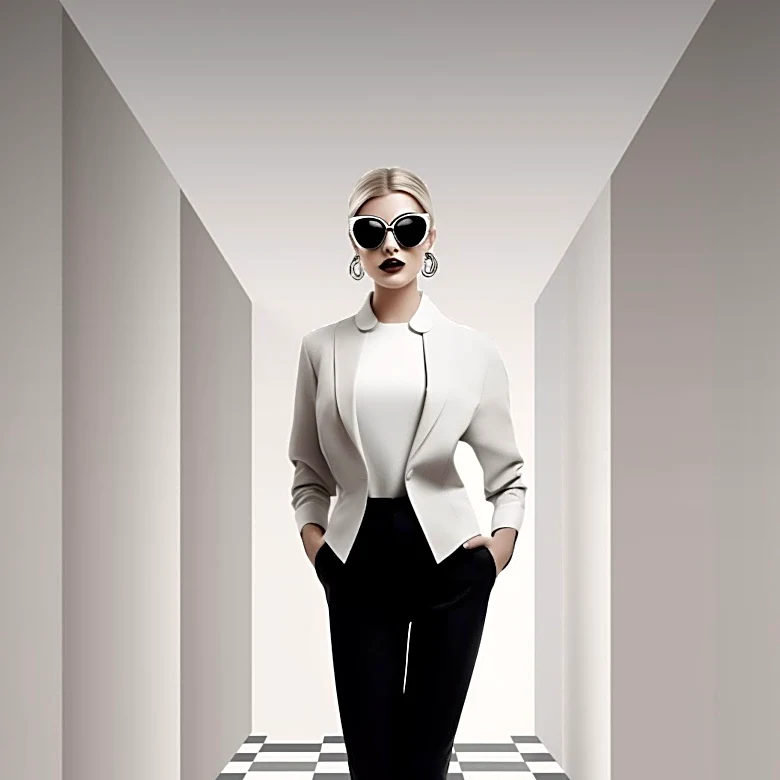

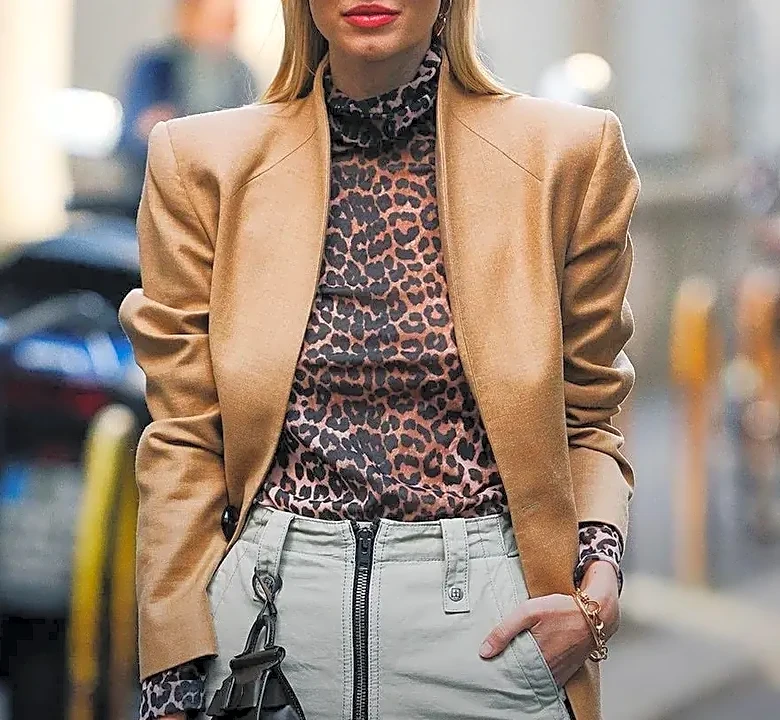

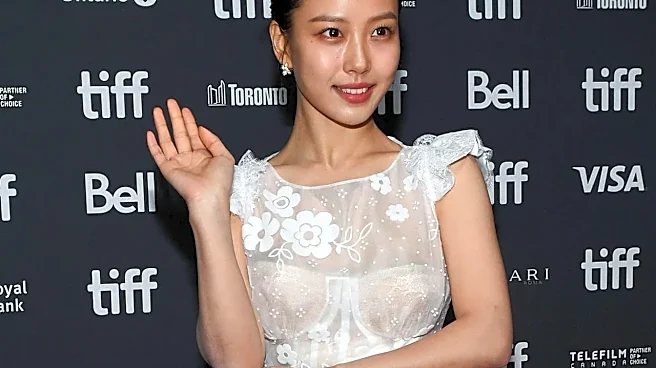
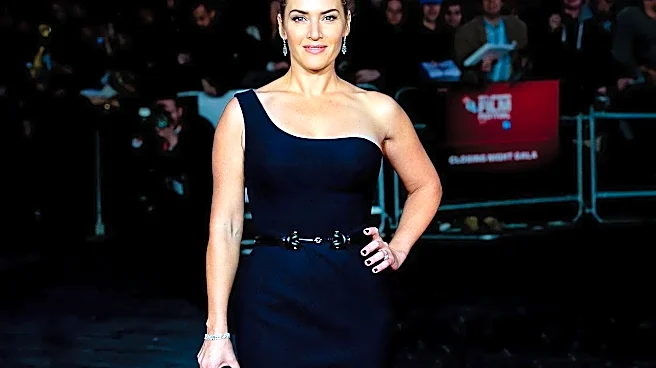
The Power of Architectural Structure
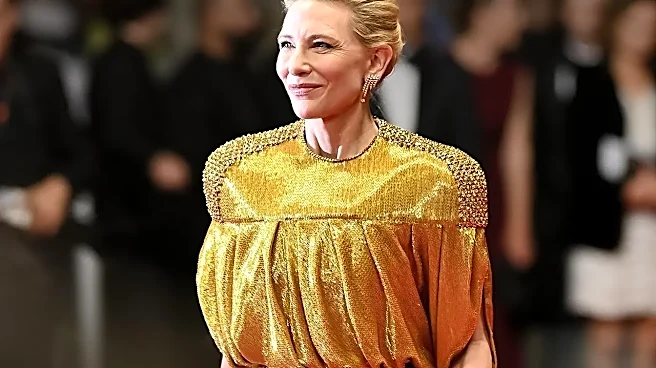
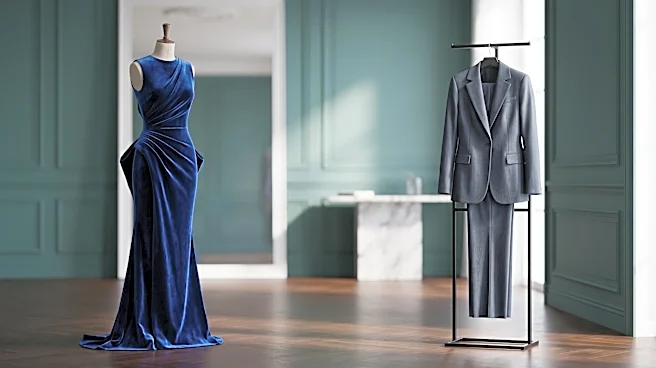
A structured gown doesn't just hang; it commands space. Think of it as wearable architecture. These are the dresses built with intent, using corsetry, boning, heavy satins, and sculptural silhouettes to create a powerful, defined shape. At this year's
festival, stars have repeatedly turned to structure to make a statement. Bianca Balti’s theatrical entrance in a sculptural pale-pink gown, complete with dramatic white wings, was a prime example of using form to create an unforgettable moment. Similarly, looks featuring visible corsetry and sharply defined bustiers, like the one worn by Alessandra Ambrosio, highlight the body's lines with an almost armor-like confidence. This choice is rarely about softness; it’s about control, modernity, and a certain kind of power dressing that telegraphs strength and artistic precision. Liza Soberano's Robert Wun couture gown, with its striking structured panier skirt, was another masterclass in using shape to build a narrative.
The Allure of Ethereal Fluidity
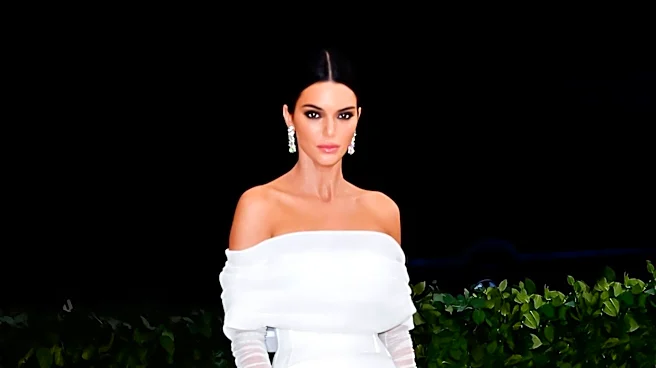
On the other side of the sartorial spectrum are the fluid gowns. These dresses are all about movement, grace, and a more romantic form of glamour. Crafted from materials like chiffon, silk, and delicate lace, they follow the wearer’s lead, draping, and flowing with every step. Kendall Jenner’s choice of a vintage Giorgio Armani gold embroidered slip dress perfectly captured this spirit, offering a softer, old-Hollywood interpretation of festival glamour that felt both timeless and effortless. The beauty of a fluid gown lies in its motion. Take Nina Dobrev’s Armani Privé creation; while the main body was a sequined column, it was the sweeping chartreuse chiffon panels that trailed behind her like a whisper, adding a fluid, dynamic quality to the look. This style communicates a different kind of confidence—one that is less about bold pronouncements and more about poetic elegance and sensuality.
The Stylist's Strategic Choice
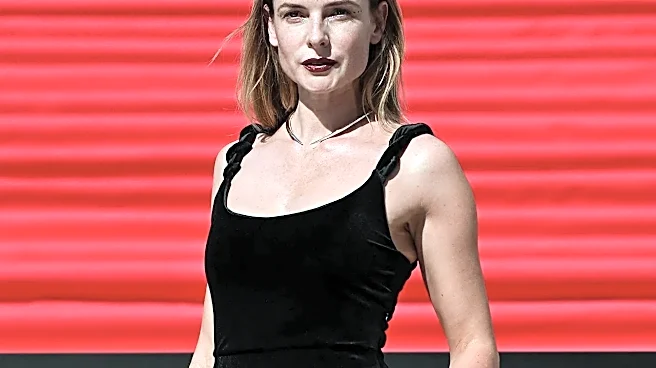
The decision to wear a structured versus a fluid gown is never arbitrary. It’s a calculated move tied to a celebrity’s personal brand, the film they’re promoting, or the specific “moment” they want to create. A star looking to project authority or make a high-fashion, avant-garde statement might opt for a dramatic, sculptural piece. It’s a way of being seen as a serious artist or a fashion trailblazer. Conversely, an actor promoting a romantic drama might choose a fluid, dreamy gown that aligns with the film’s tone. It can also be about personal comfort and confidence. While a structured gown offers a built-in framework, a fluid dress allows for an uninhibited sense of movement. Maggie Gyllenhaal’s choice of a minimal black gown with clean, architectural draping rather than heavy construction demonstrated a kind of fluid minimalism, letting the fabric's quality do the work.
When Opposites Attract
Of course, the most interesting looks often exist in the gray area between these two poles. Many designers at the 2026 festival blended structure with fluidity in a single garment, creating a compelling hybrid. A gown might feature a tightly corseted bodice that gives way to a soft, flowing skirt, offering both the security of structure and the romance of movement. Nina Dobrev's gown, with its tiled sequin column and fluid chiffon train, is a perfect example of this fusion. Fareta Radic’s pink off-the-shoulder gown also played with this idea, pairing a structured, boned bodice with a softer, floor-length skirt that had a gentle flare. These composite looks prove that the perceived opposition between structure and fluidity is really a spectrum, giving stylists and stars a rich vocabulary to express exactly who they want to be for the cameras.